Uganda Safari Safety Guide: What Every Traveller Needs to Know
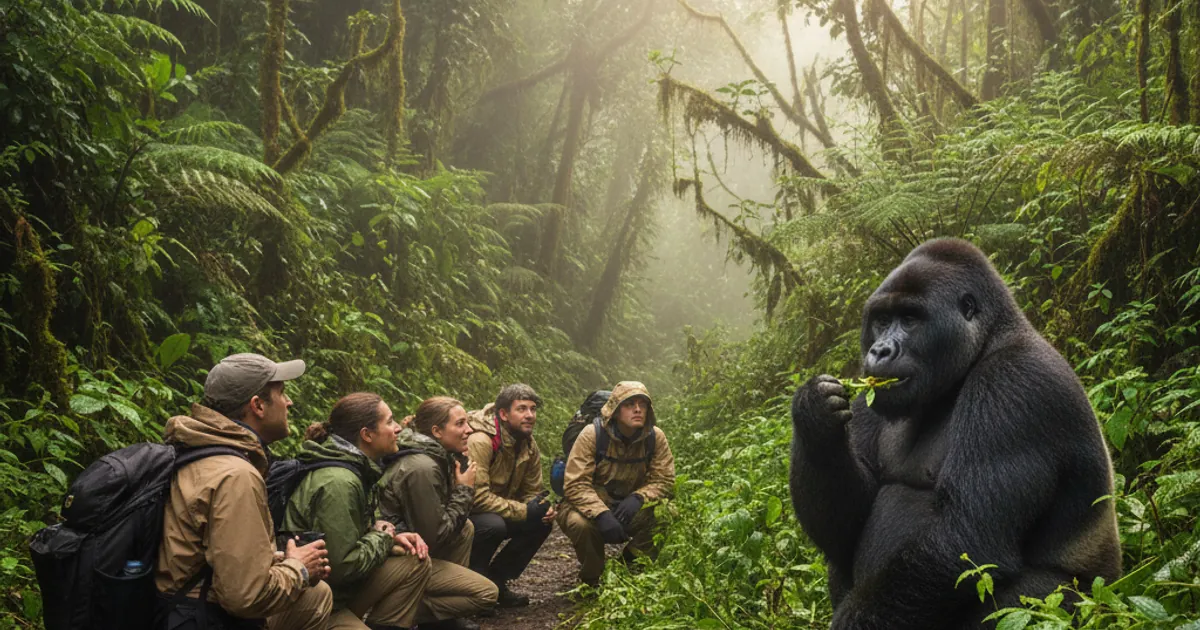
Uganda - the Pearl of Africa - offers mountain gorilla trekking, tree-climbing lions, and extraordinary primate diversity in a compact, welcoming country. While Uganda is generally safe for tourists and Ugandans are among the friendliest people on the continent, the country's tropical climate, forest terrain, and border regions require thoughtful preparation.
Safety Overview
Uganda is a safe and rewarding safari destination that has grown significantly in popularity thanks to its mountain gorilla trekking experiences and diverse wildlife. The country is politically stable in the regions visited by tourists, and violent crime against visitors is very rare. Ugandans are renowned for their warmth and hospitality - the country's nickname, the Pearl of Africa, reflects both its natural beauty and the spirit of its people.
The key safety considerations for Uganda are health-related (malaria, altitude, and tropical diseases), the physical demands of gorilla trekking, and road safety. Some border regions - particularly the area adjacent to the Democratic Republic of Congo - have experienced occasional security incidents, but the tourist circuits are well-monitored and well-protected. With sensible preparation, Uganda offers some of the most unique and moving wildlife experiences available anywhere in Africa.
Health and Vaccinations
Required and Recommended Vaccines
Yellow fever vaccination is mandatory for entry to Uganda. You must present a valid yellow fever certificate at immigration - without it, you will be refused entry or vaccinated on arrival. This is strictly enforced. The vaccine requires a single dose and provides lifelong protection; get it at least 10 days before travel.
Additional recommended vaccines include hepatitis A and B, typhoid, tetanus-diphtheria, meningococcal meningitis, cholera, and rabies. The rabies pre-exposure vaccine is particularly important for Uganda, given the proximity to primates and bats during forest treks and the distance from post-exposure treatment in rural areas. Visit a travel clinic 6-8 weeks before departure.
Malaria Risk
Malaria is present throughout Uganda at altitudes below 1,600 metres. This includes Kampala, Queen Elizabeth National Park, Murchison Falls, and the lowland areas of Kibale Forest. Prophylaxis is strongly recommended for all visitors. Higher-altitude areas such as Bwindi Impenetrable National Park (1,160-2,607 metres) have reduced but not zero risk - prophylaxis is still advised.
Take atovaquone-proguanil (Malarone), doxycycline, or mefloquine as prescribed by your travel clinic. Use DEET-based repellent (30-50%), wear long sleeves and trousers from late afternoon, and sleep under insecticide-treated nets. Uganda is equatorial - mosquitoes are active year-round, with no truly safe season.
Other Tropical Diseases
Uganda's tropical climate means travellers should be aware of additional health risks. Do not drink tap water - use bottled or purified water at all times. Bilharzia is present in Lake Victoria and other freshwater bodies - avoid swimming in lakes and rivers. Travellers' diarrhoea is common; carry oral rehydration salts and a course of ciprofloxacin as prescribed by your doctor. If visiting western Uganda, be aware that occasional Ebola outbreaks have occurred in the region, though these are quickly contained and tourist areas are closely monitored.
Wildlife Safety on Safari
Gorilla Trekking at Bwindi
Gorilla trekking in Bwindi Impenetrable National Park is Uganda's signature experience. Trekking to see mountain gorillas involves hiking through dense, steep rainforest at altitude, and the rules are designed to protect both gorillas and visitors:
- Maintain a minimum distance of 7 metres from the gorillas at all times
- Groups are limited to 8 visitors per gorilla family, with a maximum one-hour viewing period
- Do not use flash photography - it startles the gorillas and can provoke defensive behaviour
- If a silverback charges, crouch slowly, avert your gaze, and stay still. Your guide will position themselves between you and the gorilla. Do not turn your back or run
- Anyone with a cold, cough, flu, or any symptoms of illness will not be permitted to trek - gorillas are highly susceptible to human respiratory diseases. No refund is provided; ensure your travel insurance covers this scenario
Physical Demands of Trekking
Gorilla trekking is physically demanding. Treks can last from 1 to 8 hours depending on where the gorilla family is located. The terrain is steep, muddy, and often requires scrambling through dense undergrowth with no trail. Altitude at Bwindi ranges from 1,160 to 2,607 metres, which can cause breathlessness in visitors arriving from sea level. Prepare with:
- Good physical fitness - start a walking/hiking programme weeks before your trip
- Sturdy, waterproof hiking boots with ankle support (the terrain is extremely slippery)
- Gardening gloves for grabbing vegetation on steep sections
- Long trousers and long-sleeved shirts to protect against nettles, thorns, and insects
- A waterproof layer - rain can arrive at any moment in the cloud forest
- Hire a porter at the trailhead (around $15 USD) - they carry your daypack and provide invaluable support on steep sections. This also provides important income for the local community
Queen Elizabeth National Park
Queen Elizabeth National Park in western Uganda is known for its tree-climbing lions in the Ishasha sector and boat safaris on the Kazinga Channel. On game drives, standard vehicle rules apply - stay inside the vehicle, keep quiet, and follow your guide's instructions. On the Kazinga Channel boat safari, you will pass within close range of hippos, Nile crocodiles, and elephants at the waterline. Keep hands inside the boat, avoid sudden movements, and do not lean over the side for photos.
Chimpanzee Trekking
Kibale Forest is the premier chimpanzee trekking destination. Similar rules to gorilla trekking apply: maintain distance (8 metres minimum), no flash photography, and no trekking with illness symptoms. Chimpanzees are faster and more unpredictable than gorillas - they may charge, throw branches, or scream loudly. Stay calm and follow your guide. The forest floor is uneven with buttress roots and hidden hollows; watch your footing at all times.
Kampala City Safety
Kampala is a vibrant, chaotic, and generally friendly city. Most tourists pass through briefly en route to safari destinations. Key safety tips:
- Traffic: Kampala's traffic is intense. Use a reputable taxi service or ride-hailing app (SafeBoda, Uber) rather than boda-bodas (motorcycle taxis) for first-time visitors - boda-boda accidents are a leading cause of injury in Uganda
- Petty crime: Phone snatching and pickpocketing occur in crowded areas such as markets, taxi parks, and the Old Taxi Park. Keep phones in secure pockets, do not display expensive jewellery, and carry only the cash you need
- Night safety: Stick to well-known areas at night (Kololo, Nakasero, Bugolobi). Use taxis rather than walking after dark. Avoid poorly lit side streets
- ATM use: Use ATMs inside banks or shopping centres rather than street-facing machines. Shield your PIN and be aware of your surroundings
Common Scams and How to Avoid Them
- Fake gorilla permits: Gorilla permits cost $700 USD and must be purchased through the Uganda Wildlife Authority (UWA) or a registered tour operator. Do not buy permits from individuals or unverified online sources - counterfeit permits exist and you will be turned away at the park gate
- Boda-boda overcharging: Agree the fare before boarding. Better yet, use SafeBoda app for transparent pricing and vetted drivers
- NGO donation requests: Some individuals claim to represent charities or orphanages and solicit donations. Research any organisation before donating. Legitimate NGOs do not solicit on the street
- SIM card scams: Buy SIM cards only from official shops (MTN, Airtel) - street sellers may provide already-registered SIMs that can be deactivated
Solo Travel Considerations
Uganda is a good destination for solo travellers. Ugandans are genuinely welcoming and conversations with locals are one of the highlights of visiting. The gorilla trekking group format means you will always be with other travellers on the trek itself. For getting around, joining a small group tour or hiring a driver-guide is recommended over self-driving - Uganda's roads require local knowledge and driving standards are unpredictable.
Female solo travellers generally report feeling safe and respected, though unwanted attention in the form of persistent conversation or marriage proposals is common in a light-hearted way. A firm, friendly decline is understood. Carry a local SIM card (MTN has the best coverage) and share your location with someone at home.
LGBTQ+ Safety
Uganda passed the Anti-Homosexuality Act in 2023, which imposes severe penalties including life imprisonment for same-sex conduct, and in certain circumstances, the death penalty. While enforcement specifically targeting tourists has not been documented, the legal environment is hostile and public attitudes in many communities reflect this. LGBTQ+ travellers should exercise extreme discretion. Do not disclose your orientation, avoid public displays of affection, and be cautious with social media. The safari lodge context is private, but awareness of the legal landscape is essential for personal safety and trip planning.
Emergency Contacts
Police: 999 or 112
Ambulance (AAR Health Services): +256 312 301 400
Uganda Tourist Police: +256 776 223 476
Uganda Wildlife Authority: +256 414 355 000
International Hospital Kampala (IHK): +256 312 200 400
Medical facilities in Kampala are adequate for most emergencies - International Hospital Kampala and Norvik Hospital are the most reliable. Outside Kampala, medical infrastructure is limited. In Bwindi and the national parks, lodges have first aid capability and communication for evacuation, but transfer to Kampala or evacuation to Nairobi can take many hours. Comprehensive travel and medical evacuation insurance is non-negotiable for Uganda.
Valuables, Money, and Phones
The Ugandan shilling (UGX) is the local currency. US dollars are widely accepted at lodges, tour operators, and the Uganda Wildlife Authority (gorilla permits are priced in USD). Carry clean, undamaged US dollar notes printed after 2006 - older notes are rejected. ATMs in Kampala and larger towns dispense shillings; Stanbic Bank and Absa ATMs are the most reliable for international cards. Visa and Mastercard are accepted at upmarket hotels and restaurants.
- Use hotel/lodge safes for passports, excess cash, and valuables
- Carry a photocopy of your passport and visa; keep originals locked away
- Bring a waterproof case for electronics during gorilla treks - the Bwindi forest receives heavy rainfall
- Charge devices whenever possible; some forest lodges have limited solar-powered electricity
- A power bank is essential - outages are common outside Kampala
For recommended safari gear including waterproof hiking boots, camera rain covers, and power banks, see our equipment guide.
Uganda-Specific Risks
Border Area Cautions
The border with the Democratic Republic of Congo (DRC) in western Uganda has experienced occasional security incidents related to armed groups operating in the eastern DRC. The tourist areas around Bwindi and Queen Elizabeth National Park are well-patrolled by the Uganda People's Defence Force (UPDF) and have not experienced security incidents affecting tourists. However, monitor travel advisories from your government before travel. Do not attempt to cross into DRC independently - the border region is volatile.
Road Safety
Road safety is a significant concern in Uganda. Main highways are generally in fair condition but carry heavy truck traffic. Secondary roads - including many park access roads - are unpaved and deteriorate rapidly in rain. Boda-boda motorcycles weave unpredictably through traffic. If self-driving, exercise extreme caution: speed bumps are often unmarked, overtaking is aggressive, and livestock frequently wander onto roads. Hiring a driver-guide who knows the roads is strongly recommended over self-driving.
Altitude at Bwindi
While most of Bwindi sits between 1,400 and 2,000 metres - not extreme altitude - visitors arriving directly from sea level may experience mild altitude effects: breathlessness, headache, and fatigue. These are compounded by the physical demands of trekking on steep terrain. Arrive a day early to acclimatise, stay well hydrated, and do not rush the trek. Inform your guide if you feel unwell at any point.
Insects and Forest Hazards
Bwindi's forest is home to safari ants (siafu), stinging nettles, and biting flies. Tuck trousers into socks, wear long sleeves, and carry antihistamine cream. Your guide will point out ant columns - stepping in one results in dozens of painful bites. Leeches are present in wetter areas during the rainy season. They are harmless but unpleasant; check your skin after the trek and remove with salt or a flame held near (not touching) the leech.
For the best time to visit Uganda for gorilla trekking and wildlife viewing, see our Uganda seasonal guide. Also review our safety guides for nearby destinations: Kenya, Tanzania, Rwanda, and Zambia. Browse Uganda's best parks to plan your itinerary.
Key Takeaways
- 1Yellow fever vaccination is mandatory for Uganda — you will be refused entry without a valid certificate
- 2Gorilla trekking is physically demanding; prepare with fitness training, waterproof boots, and hire a porter at the trailhead
- 3Malaria prophylaxis is essential at all altitudes; Uganda is equatorial with year-round mosquito activity
- 4The Anti-Homosexuality Act imposes severe penalties; LGBTQ+ travellers must exercise extreme discretion
- 5Avoid boda-boda motorcycles as a first-time visitor — use ride-hailing apps or taxis instead
- 6Border regions with DRC require monitoring of travel advisories, though tourist areas are well-protected
- 7Medical evacuation insurance is non-negotiable — facilities outside Kampala are very limited
Frequently Asked Questions
Is Uganda safe for gorilla trekking?
Yes, gorilla trekking in Bwindi Impenetrable National Park is safe. The Uganda Wildlife Authority regulates all treks with strict protocols, armed rangers accompany every group, and the gorilla families visited are habituated to human presence. The main risks are physical - the terrain is steep, muddy, and at altitude. Prepare with good fitness, waterproof boots, and be ready for treks lasting 1-8 hours.
Do I need a yellow fever vaccine for Uganda?
Yes, yellow fever vaccination is mandatory for entry to Uganda. You must present a valid International Certificate of Vaccination at immigration. Without it, you may be vaccinated on arrival or refused entry. Get the vaccine at least 10 days before travel. It provides lifelong protection with a single dose.
Is Kampala safe for tourists?
Kampala is generally safe for tourists who take standard precautions. Petty crime (phone snatching, pickpocketing) occurs in crowded areas. Use ride-hailing apps or reputable taxis rather than boda-bodas. Avoid walking in poorly lit areas at night. Stick to established neighbourhoods like Kololo and Nakasero for dining and nightlife. Most tourists pass through Kampala briefly en route to safari destinations.
How fit do I need to be for gorilla trekking?
You need a moderate to good level of fitness. Treks can last 1-8 hours through steep, dense forest at altitudes up to 2,600 metres. The terrain involves scrambling up muddy slopes and pushing through undergrowth. Start a walking or hiking programme weeks before your trip. Hire a porter ($15 USD) to carry your pack - this makes a significant difference. If you have mobility limitations, discuss options with your operator as some gorilla families are more accessible than others.
Is it safe to travel near the DRC border?
The tourist areas in western Uganda - including Bwindi and Queen Elizabeth National Park - are well-patrolled and have not experienced security incidents affecting tourists. However, the DRC border region itself is volatile. Do not attempt independent border crossings. Monitor your government's travel advisory before visiting western Uganda and follow the advice of your tour operator and lodge.