Tanzania Safari Safety Guide: What Every Traveller Needs to Know
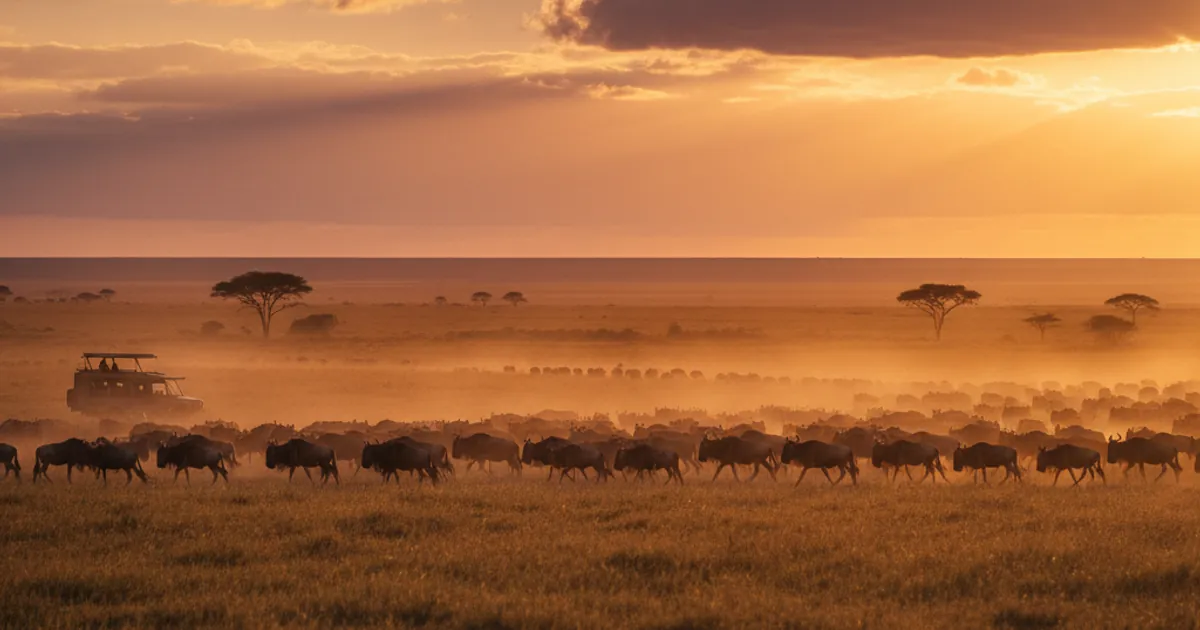
Tanzania is the beating heart of East African safari - home to the Serengeti, Ngorongoro Crater, and the Great Migration. With vast wilderness areas, prolific wildlife, and diverse landscapes from savanna to volcanic highlands, Tanzania demands thorough safety preparation. This guide covers health, wildlife, security, and practical advice for one of Africa's most extraordinary destinations.
Safety Overview
Tanzania is generally a safe destination for safari travellers. The northern safari circuit - encompassing the Serengeti, Ngorongoro, Tarangire, and Lake Manyara - is well-established, well-policed, and served by professional tour operators with decades of experience. The southern circuit (Selous/Nyerere, Ruaha) is more remote but equally safe within the safari context.
Security concerns are concentrated in urban areas, particularly Dar es Salaam and parts of Arusha, where petty crime and occasional muggings occur. The semi-autonomous islands of Zanzibar are popular tourist destinations with their own safety profile. Border regions with Mozambique, Burundi, and the DRC should be approached with caution due to periodic instability. However, the core safari areas are far from any border concerns and benefit from dedicated tourism police units.
Health and Vaccinations
Required and Recommended Vaccines
Yellow fever vaccination is required for all travellers arriving from countries with risk of yellow fever transmission, and Tanzanian authorities enforce this strictly. Many travel clinics recommend the vaccine for Tanzania regardless of routing, as yellow fever is present in parts of the country. Additional recommended vaccines: hepatitis A and B, typhoid, tetanus-diphtheria, polio booster, meningococcal meningitis, and rabies (especially for extended stays or remote travel).
A cholera vaccine may be considered if visiting rural areas with limited sanitation during the rainy season. Consult a travel health clinic 6-8 weeks before departure.
Malaria Risk
Malaria is a serious risk throughout Tanzania, including all safari areas, Zanzibar, and Dar es Salaam. The northern safari circuit sits at moderate altitude (1,000-2,000m), which reduces but does not eliminate risk. Prophylaxis is essential - atovaquone-proguanil (Malarone), doxycycline, or mefloquine are standard options. Combine with bite prevention: DEET repellent (30-50% concentration), long sleeves and trousers at dusk and dawn, and sleeping under insecticide-treated mosquito nets. Lodges and tented camps provide nets as standard.
If you develop a fever within a year of returning from Tanzania - even months later - seek immediate medical attention and inform the doctor of your travel history. Falciparum malaria, the dominant strain in Tanzania, can become life-threatening rapidly if untreated.
Altitude Sickness - Kilimanjaro
If combining your safari with a Mount Kilimanjaro climb, altitude sickness is a serious consideration. Kilimanjaro's summit stands at 5,895 metres, and acute mountain sickness (AMS) affects the majority of climbers. Symptoms include headache, nausea, dizziness, and fatigue. Severe forms - high-altitude pulmonary oedema (HAPE) and high-altitude cerebral oedema (HACE) - are medical emergencies. Choose a longer route (7-9 days) to allow better acclimatisation, ascend slowly, stay hydrated, and consider acetazolamide (Diamox) prophylaxis after consulting your doctor.
Wildlife Safety on Safari
Vehicle-Based Game Drives
Tanzania's national parks mandate that visitors remain inside vehicles during game drives (with the exception of designated walking areas). The Serengeti and Ngorongoro host dense populations of lions, leopards, elephants, buffalo, and hippos. Never lean out of the vehicle to get a closer photograph, and never attempt to exit without your guide's permission. Vehicle roofs should not be sat on when near predators.
Walking Safaris
Walking safaris are permitted in certain areas, including parts of the Serengeti, Tarangire, and especially the southern parks (Nyerere/Selous and Ruaha). These are led by armed rangers and experienced guides. Follow instructions precisely: walk in single file, do not run, speak in low voices, and wear neutral colours. Your guide will brief you on what to do if you encounter specific animals. Walking safaris are among the most authentic ways to experience the bush, but they carry inherent risks that demand respect for the protocol.
The Great Migration
The wildebeest migration - approximately 1.5 million wildebeest accompanied by hundreds of thousands of zebras and gazelles - is Tanzania's signature spectacle. During river crossings (typically July-October at the Mara River), predators including crocodiles and lions are highly active. Vehicles jockey for position at crossing points. Stay patient, remain in your vehicle, and do not pressure your driver to take unsafe positions close to the riverbank.
Camp Safety
Many Serengeti and southern circuit camps are unfenced, set within active ecosystems. Hippos regularly transit through camps at night to graze, and predators patrol the perimeter. Never walk unescorted between your tent and the dining area after dark - staff will escort you. Keep tent zips fully closed at all times. Store no food in your tent. Use a torch (flashlight) at night to check your path, but do not shine it directly at animals.
Common Scams and How to Avoid Them
- Unlicensed safari operators: This is the most significant scam risk in Tanzania. Cheap safari deals advertised online or by street touts in Arusha may involve unlicensed operators using poorly maintained vehicles with unqualified guides. Book through TATO (Tanzania Association of Tour Operators) registered companies. Ask for a TATO registration number and verify it.
- Zanzibar beach touts: Persistent vendors on Zanzibar beaches sell spice tours, snorkelling trips, and crafts. Prices are heavily inflated for the first quote - bargain firmly or book through your hotel.
- Money exchange: Street currency exchange in Dar es Salaam and Arusha is illegal and commonly involves counterfeit notes or short-changing. Use banks or official forex bureaux only.
- Art gallery scams: In Arusha, friendly locals may invite you to visit a "free" art exhibition, then pressure you to purchase paintings at inflated prices.
- Fake student appeals: Individuals claiming to be students may approach tourists requesting sponsorship or school fees. While some may be genuine, this is a known scam pattern - politely decline.
Solo Travel Considerations
Solo travel on safari in Tanzania is feasible but typically more expensive, as vehicle and guide costs are shared among fewer people. Joining a scheduled group safari is cost-effective and sociable. In Arusha and Dar es Salaam, solo travellers should avoid walking alone after dark and use reputable taxi services (Bolt is available in both cities). In Zanzibar, solo travel is generally safe but female travellers should dress modestly in Stone Town and village areas, covering shoulders and knees, in keeping with the island's Islamic culture.
LGBTQ+ Safety
Same-sex sexual activity is illegal in Tanzania, carrying penalties of up to 30 years' imprisonment on the mainland and up to 25 years in Zanzibar. While enforcement against tourists is extremely rare, this legal framework reflects deeply conservative societal attitudes. LGBTQ+ travellers should exercise significant discretion: avoid public displays of affection, be cautious about disclosing sexual orientation to strangers, and book accommodation that explicitly welcomes international guests. Safari lodges serving international clientele are generally professional and discreet, but it is prudent to request a double bed rather than specifying a same-sex couple when booking.
Emergency Contacts
Police: 112 or 114
Ambulance: 114
Fire: 114
TANAPA (Tanzania National Parks): +255 27 250 3471
Flying Doctors (AMREF): +254 20 699 2000 (Nairobi-based, covers East Africa)
Aga Khan Hospital (Dar es Salaam): +255 22 211 5151
Medical facilities in Dar es Salaam and Arusha are adequate for routine issues. For serious injuries or illness on safari, evacuation by light aircraft to Nairobi or Dar es Salaam is standard. AMREF Flying Doctors is the region's primary medical evacuation provider - many safari operators include AMREF coverage, but verify this before departure. Comprehensive travel insurance with emergency medical evacuation cover is absolutely essential for Tanzania.
Valuables, Money, and Phones
The Tanzanian shilling (TZS) is the local currency. US dollars are widely accepted at lodges, parks (for fees), and tourist services. Carry clean, undamaged US dollar notes printed after 2006 - older notes are rejected. ATMs are available in Arusha, Dar es Salaam, and Zanzibar but not in safari areas.
- Withdraw sufficient cash before heading into the bush - there are no ATMs in national parks.
- Use hotel and lodge safes for valuables.
- Carry a photocopy of your passport at all times and keep the original locked away.
- Phone coverage is surprisingly good in the Serengeti and Ngorongoro thanks to towers placed on hills - but patchy in the southern parks.
- Bring a portable battery pack to charge devices during long game drives.
For recommended safari gear and packing essentials, see our equipment guide.
Tanzania-Specific Risks
Tsetse Flies
Tsetse flies are present in several safari areas, notably the western Serengeti and Nyerere/Selous. Their bite is painful and can transmit sleeping sickness (trypanosomiasis), though tourist infections are extremely rare. Wear light-coloured clothing - tsetse are attracted to dark blue and black. Avoid scented products and keep vehicle windows up when driving through known tsetse zones.
Zanzibar Specific Concerns
Zanzibar is a semi-autonomous region with a predominantly Muslim culture. Dress modestly in Stone Town and villages - particularly during Ramadan. Alcohol is available in tourist areas but less visible than on the mainland. The narrow streets of Stone Town can feel disorienting; stay on main routes after dark. Beach drownings occur - some beaches have strong undertows and no lifeguards. Swim with caution.
Road Conditions
Road safety is a significant concern in Tanzania. The country has one of Africa's highest road fatality rates. Safari vehicles on routes between Arusha and the national parks traverse busy highways shared with lorries, buses, and motorcycles - many driven aggressively. If self-driving, be extremely cautious (though self-drive safaris are uncommon in Tanzania). Ensure your safari operator uses well-maintained vehicles with seatbelts and experienced drivers.
For the best time to visit for the Great Migration and dry season game viewing, see our Tanzania seasonal guide. Compare Tanzania's top parks in our best parks guide. Also read our Kenya and Rwanda safety guides for neighbouring destinations.
Key Takeaways
- 1Malaria prophylaxis is essential throughout Tanzania including all safari areas and Zanzibar
- 2Book only TATO-registered safari operators — unlicensed operators with cheap deals are the biggest tourist trap
- 3Same-sex activity is illegal with severe penalties — LGBTQ+ travellers must exercise significant discretion
- 4Never walk unescorted at night in unfenced safari camps — hippos and predators transit through camp grounds
- 5AMREF Flying Doctors provides medical evacuation from safari areas — verify your coverage before departing
- 6Carry clean US dollar notes printed after 2006 and withdraw cash before entering national parks
- 7Tsetse flies in the Serengeti are attracted to dark blue and black clothing — wear light colours
Frequently Asked Questions
Is Tanzania safe for safari holidays?
Yes, Tanzania's safari areas are well-managed and safe for tourists. The northern circuit (Serengeti, Ngorongoro, Tarangire) and southern parks (Nyerere, Ruaha) have professional guides, rangers, and established safety protocols. Urban areas like Dar es Salaam and Arusha require more vigilance against petty crime. The key is booking with reputable, TATO-registered operators and following your guide's instructions in the bush.
Do I need a yellow fever vaccine for Tanzania?
A yellow fever vaccination certificate is required if arriving from a country with yellow fever risk. Even if not required for your routing, many travel health professionals recommend it for Tanzania as the virus is present in parts of the country. Tanzanian border officials enforce this requirement strictly, and you may be vaccinated on arrival if you cannot produce a certificate - best to get it before travel.
How dangerous are the animals in the Serengeti?
The Serengeti hosts Africa's highest concentration of large predators - lions, leopards, cheetahs, and hyenas - plus elephants, buffalo, and hippos. These animals are genuinely dangerous if approached on foot or if proper safari protocol is not followed. However, in a vehicle with an experienced guide, risk is minimal. Animals are habituated to vehicles and generally ignore them. The rules are simple: stay in the vehicle, follow your guide's instructions, and do not make sudden movements or loud noises.
Is it safe to climb Kilimanjaro?
Kilimanjaro is climbable by fit individuals with no technical climbing experience, but altitude sickness is a serious risk. The summit at 5,895 metres causes symptoms in the majority of climbers. Choose a longer route (7-9 days) for better acclimatisation, stay hydrated, ascend slowly, and consider Diamox prophylaxis. More dangerous than the altitude is the temptation to push through worsening symptoms - descend immediately if you experience severe headache, confusion, or difficulty breathing.
What should I wear on safari in Tanzania?
Wear neutral, light-coloured clothing in khaki, olive, or beige. Avoid dark blue and black, which attract tsetse flies. Long sleeves and trousers protect against sun and insect bites. A wide-brimmed hat and sunglasses are essential. Bring a warm fleece or jacket for early morning game drives and Ngorongoro Crater rim (which sits at 2,300m and can be chilly). Avoid bright colours and white, which can startle wildlife.