Zambia Safari Safety Guide: What Every Traveller Needs to Know
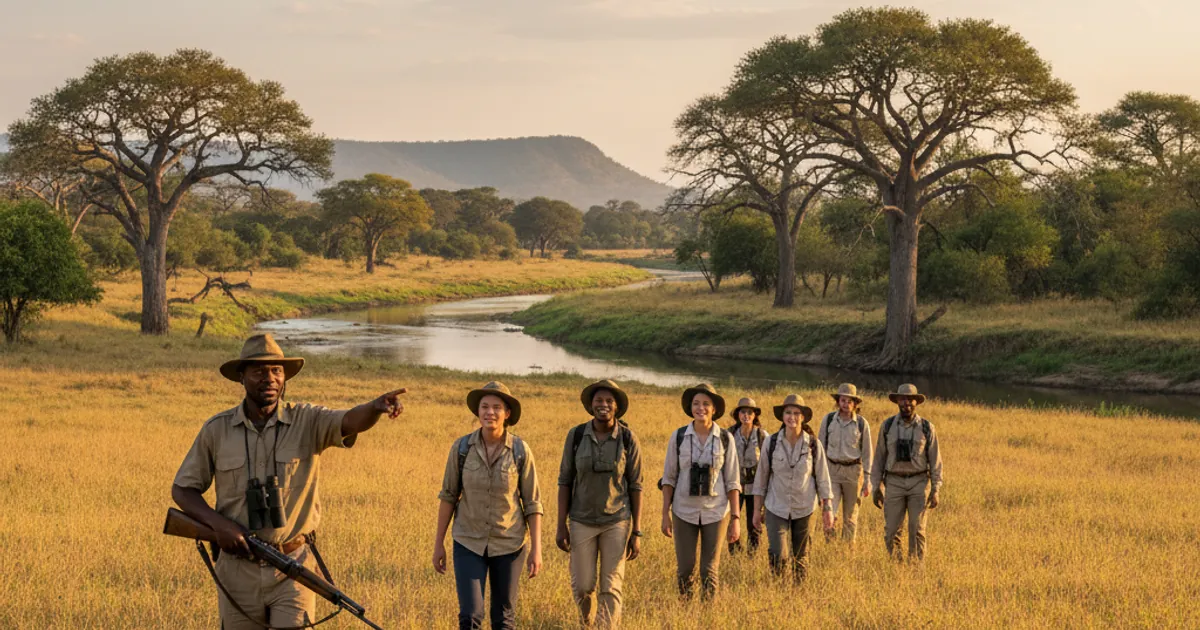
Zambia is the birthplace of the walking safari and home to Victoria Falls, offering raw, authentic wildlife experiences in South Luangwa, Lower Zambezi, and Kafue. While the country is peaceful and welcoming, its high malaria risk, river-based dangers, and remote bush camps require careful planning.
Safety Overview
Zambia is one of Africa's most peaceful countries, with a proud record of political stability and no history of civil conflict since independence in 1964. Zambians are famously warm and welcoming, and violent crime against tourists is rare. The country's national parks offer some of the most authentic, uncrowded safari experiences on the continent, with a strong emphasis on walking safaris and intimate bush camps.
The primary risks for safari visitors are health-related - Zambia is a high-malaria country - and wildlife-related, particularly around the rivers where hippos and Nile crocodiles are abundant. Road conditions outside main highways can be challenging, and the rainy season (November-April) renders many safari areas inaccessible. With the right preparation and a reputable operator, Zambia delivers unforgettable safari experiences safely.
Health and Vaccinations
Required and Recommended Vaccines
Yellow fever vaccination is required if arriving from a country with yellow fever risk. Some travellers have reported being asked for proof of yellow fever vaccination regardless of routing - carrying a valid certificate is strongly advised. Recommended vaccines include hepatitis A and B, typhoid, tetanus-diphtheria, cholera (for rural travel), and rabies. A pre-travel clinic visit 6-8 weeks before departure is essential.
Malaria Risk
Zambia is a high-risk malaria country. The disease is present nationwide and year-round, with peak transmission during and after the rainy season (November to May). All visitors should take antimalarial prophylaxis - this is not optional for Zambia. Commonly prescribed options include atovaquone-proguanil (Malarone), doxycycline, or mefloquine.
Combine medication with rigorous bite prevention: DEET-based repellent (30-50% concentration), long sleeves and trousers from late afternoon, and sleeping under insecticide-treated nets. Most safari camps provide nets and spray rooms, but carry your own repellent. The Zambezi valley and Luangwa valley are particularly high-risk areas due to low altitude and proximity to standing water.
Know the symptoms: fever, headache, chills, muscle aches, and fatigue appearing 7-30 days after exposure. If you develop a fever within a month of returning home, tell your doctor immediately that you visited a malaria-endemic area - delay in diagnosis can be fatal.
Waterborne Diseases
Do not drink tap water anywhere in Zambia. Use bottled, boiled, or purified water at all times. Be cautious with ice in drinks outside premium lodges. Bilharzia (schistosomiasis) is present in Lake Kariba, the Zambezi River, and most freshwater bodies - avoid swimming or wading in rivers and lakes unless your guide confirms the area is safe. Some swimming pools fed by river water also carry risk.
Wildlife Safety on Safari
Walking Safaris - Zambia's Speciality
Zambia - specifically South Luangwa National Park - is widely regarded as the birthplace of the walking safari. Walking in big game country is an extraordinary but inherently higher-risk activity. Your safety depends entirely on following your guide's instructions:
- Walk in single file behind the lead guide and ahead of the armed scout
- Wear muted, neutral colours (khaki, olive, brown). Never wear white, bright colours, or camouflage (which is associated with military and is illegal to wear in some African countries)
- Walk quietly - no talking unless your guide initiates conversation at a safe location
- If a dangerous animal is encountered, freeze immediately. Do not run. Your guide will give clear instructions
- Leave perfume, cologne, and strongly scented sunscreen at camp - animals detect scent from great distances
Walking safaris are led by some of the most experienced guides in Africa. Zambia's guiding qualification system is rigorous, requiring years of apprenticeship and examinations including proficiency with firearms. Trust your guide - they have devoted their career to keeping you safe in the bush.
Hippo and Crocodile Danger
Zambia's rivers - the Zambezi, Luangwa, and Kafue - are home to dense populations of hippos and Nile crocodiles. Hippos kill more people in Africa than any other large animal. They are territorial in water and can overturn canoes and small boats. On land, they can run at 30 km/h and will charge if they feel their path to water is blocked.
On canoeing safaris in the Lower Zambezi, your guide will read the river for hippo pods and navigate well clear of them. If a hippo surfaces near your canoe, paddle calmly and steadily away - do not splash or make sudden movements. Your guide will direct you. Crocodiles generally avoid canoes but are a serious risk if you capsize - stay in the boat at all times and keep hands and arms inside.
Camp Safety
Most Zambian safari camps are unfenced. Elephants, hippos, and predators move freely through camp. After dark, you will be escorted between your tent and the main area by an armed guide or scout. Keep your tent zipped at all times. Use a torch when moving around and scan ahead. Never approach or photograph animals in camp without guidance - a hippo on the path at 3 a.m. is not a photo opportunity.
Victoria Falls Area Safety
Livingstone, the Zambian gateway to Victoria Falls, is a busy tourist town. While generally safe, take standard precautions:
- The Falls themselves: The viewpoints on the Zambian side involve wet, slippery paths with sheer drops and minimal railings. Wear non-slip shoes and watch your footing. During high water (March-May), the spray can be so intense that you are effectively standing in a rainstorm - waterproof your electronics or leave them behind
- Adventure activities: Livingstone offers bungee jumping, white-water rafting, microlight flights, and gorge swings. Use only established, reputable operators with verifiable safety records. Ask about their safety equipment, guide qualifications, and insurance
- Walking at night: Stick to well-lit main roads in Livingstone town. Use taxis after dark rather than walking. Avoid walking between town and the Falls after sunset
- River activities: Sunset cruises on the Zambezi are popular and safe with licensed operators. Do not swim in the Zambezi River except in the designated Devil's Pool area during low water (September-December) with a registered guide - crocodiles and hippos are present throughout
Common Scams and How to Avoid Them
Zambia has relatively few tourist scams, but awareness helps:
- Street money changers: Avoid changing money on the street. Use banks, forex bureaux, or ATMs. Street changers may short-change you, use sleight of hand, or offer counterfeit notes
- Unofficial tour guides: In Livingstone, individuals may offer to guide you to the Falls or arrange activities at "discount" rates. Book through your hotel, a registered tour operator, or directly at the activity centre
- Police checkpoints: Police road checks are common, particularly outside Lusaka. Carry your driving licence and vehicle documents. Officers are generally professional but may attempt to levy impromptu fines for minor infractions. Ask for a receipt for any payment and note the officer's number
- Taxi overcharging: Agree the fare before boarding. In Livingstone, standard fares exist between common locations - ask your hotel for guidance. Airport transfers should be pre-arranged through your lodge
Solo Travel Considerations
Zambia is a welcoming destination for solo travellers. Zambians are genuinely friendly and curious about visitors. Lusaka and Livingstone are easy to navigate, and the safari industry is accustomed to solo guests. However, solo travel in Zambia is expensive - lodge rates are per-person sharing with high single supplements. Joining a small group safari or finding a travel companion through online forums can significantly reduce costs.
Solo self-driving outside main highways is not recommended due to road conditions and the remoteness of safari areas. If driving alone, carry a local SIM card (Airtel or MTN), but be aware that coverage outside towns is patchy. Inform your next accommodation of your expected arrival time.
LGBTQ+ Safety
Same-sex relationships are criminalised in Zambia, with laws carrying penalties of up to 14 years imprisonment. While enforcement against tourists is essentially unheard of, this legal framework reflects conservative social attitudes. Public displays of affection between same-sex couples should be avoided entirely. The safari industry is professional and discreet, and LGBTQ+ travellers who exercise discretion report no issues in the lodge context. However, awareness of the legal situation is important for trip planning and behaviour in public spaces.
Emergency Contacts
Police: 991
Ambulance: 992
Fire: 993
Specialty Emergency Services (SES): +260 977 770 302
Zambia Tourism Agency: +260 211 229 087
Medical facilities in Lusaka include Levy Mwanawasa University Teaching Hospital and several private clinics. In Livingstone, the Harry Mwanga Nkumbula International Airport has a clinic, and Livingstone General Hospital handles emergencies. Outside major towns, medical facilities are extremely basic. Safari camps have trained first-aiders and radio communication for evacuation. Comprehensive medical and evacuation insurance is absolutely essential - serious cases will require air evacuation to Lusaka, Johannesburg, or Nairobi.
Valuables, Money, and Phones
The Zambian kwacha (ZMW) is the local currency. US dollars are widely accepted at lodges, tour operators, and some shops in Livingstone, but kwacha is needed for markets, local transport, and smaller establishments. Carry clean, undamaged US dollar notes printed after 2006. ATMs are available in Lusaka and Livingstone (Stanbic Bank and Zanaco are reliable). Visa and Mastercard are accepted at most hotels and lodges.
- Use lodge safes for passports, valuables, and excess cash
- Carry a photocopy of your passport rather than the original
- Waterproof your electronics - spray at Victoria Falls, river safaris, and the green season rains can damage equipment quickly
- Charge devices when you can - some bush camps rely on solar power with limited charging availability
For recommended safari gear including waterproof cases, solar chargers, and walking safari essentials, see our equipment guide.
Zambia-Specific Risks
Road Conditions
Zambia's main highways (Lusaka to Livingstone, Lusaka to Chipata) are generally in reasonable condition. However, secondary roads deteriorate rapidly, and many park access roads become impassable during the rainy season. Potholes on tar roads can be vehicle-destroying - scan the road constantly. Overloaded trucks and long-distance buses drive aggressively. Drive defensively, never at night, and always with headlights on during the day for visibility.
Rainy Season Closures
Many safari camps close from November to May during the rains. River crossings flood, bridges wash out, and roads turn to mud. South Luangwa and Lower Zambezi are largely inaccessible during this period. Plan your visit for the dry season (June-October) when wildlife concentrates around remaining water sources and roads are passable.
Canoeing the Lower Zambezi
Multi-day canoe safaris down the Lower Zambezi are a bucket-list experience but carry inherent risks. You will paddle past elephants bathing, hippo pods, and crocodile-lined banks. Guides carry rifles and know the river intimately, but you must follow instructions precisely. Capsize drills are conducted before departure. Wear your life jacket at all times. If you capsize, stay with the canoe and wait for your guide - do not attempt to swim to shore independently.
For the best time to visit Zambia and seasonal wildlife information, see our Zambia seasonal guide. Explore the Victoria Falls guide and check our safety guides for neighbouring Botswana, Namibia, Zimbabwe, and Tanzania. Browse Zambia's best parks to plan your route.
Key Takeaways
- 1Zambia is peaceful and welcoming but has high malaria risk nationwide — prophylaxis is essential, not optional
- 2Walking safaris require strict obedience to your guide; freeze if you encounter dangerous wildlife, never run
- 3Hippos and crocodiles are abundant in Zambian rivers — never swim or wade unless explicitly cleared by a guide
- 4Victoria Falls viewpoints are slippery with minimal railings; wear non-slip shoes and waterproof electronics
- 5Most safari camps close during the rainy season (November-May); plan for June-October dry season
- 6Same-sex relationships are criminalised; LGBTQ+ travellers should exercise discretion
- 7Medical evacuation insurance is essential — bush camps are remote and facilities outside Lusaka are basic
Frequently Asked Questions
Is Zambia safe for tourists?
Yes, Zambia is one of Africa's most peaceful countries with no history of civil conflict. Violent crime against tourists is rare. The main risks are health-related (malaria is a serious concern), wildlife encounters (hippos and crocodiles in rivers), and road conditions. Zambians are famously welcoming. With standard precautions and proper malaria prevention, Zambia is a safe and rewarding safari destination.
How bad is the malaria risk in Zambia?
Zambia has high malaria risk nationwide and year-round. The disease is the leading cause of illness in the country. Prophylaxis is strongly recommended for all visitors - this is not a country where you can skip antimalarials. Combine tablets with DEET repellent, long clothing from dusk, and sleeping under nets. The Luangwa and Zambezi valleys are particularly high-risk due to low altitude and abundant standing water.
Is the Zambian side of Victoria Falls safe?
Yes, the Zambian side of Victoria Falls is safe to visit. The main physical risks are the wet, slippery pathways with steep drops and minimal guardrails. Wear non-slip shoes and waterproof your belongings during high water season (March-May). Adventure activities like bungee jumping and rafting are safe with established operators. Use taxis rather than walking in Livingstone after dark.
What should I know about walking safaris in Zambia?
Walking safaris are Zambia's signature experience. You walk in single file with an armed guide in front and an armed scout behind. Wear neutral colours, stay quiet, and follow instructions immediately if dangerous wildlife is encountered - freeze, do not run. Zambian walking safari guides undergo years of rigorous training. It is safe with a qualified guide but requires a higher level of alertness than a vehicle safari.
Can I drink the tap water in Zambia?
No, do not drink tap water in Zambia. Use bottled, boiled, or purified water at all times. Be cautious with ice in drinks outside premium lodges and hotels. Avoid swimming in rivers and lakes due to bilharzia risk. Most safari lodges provide complimentary bottled water.