Rwanda Safari Safety Guide: What Every Traveller Needs to Know
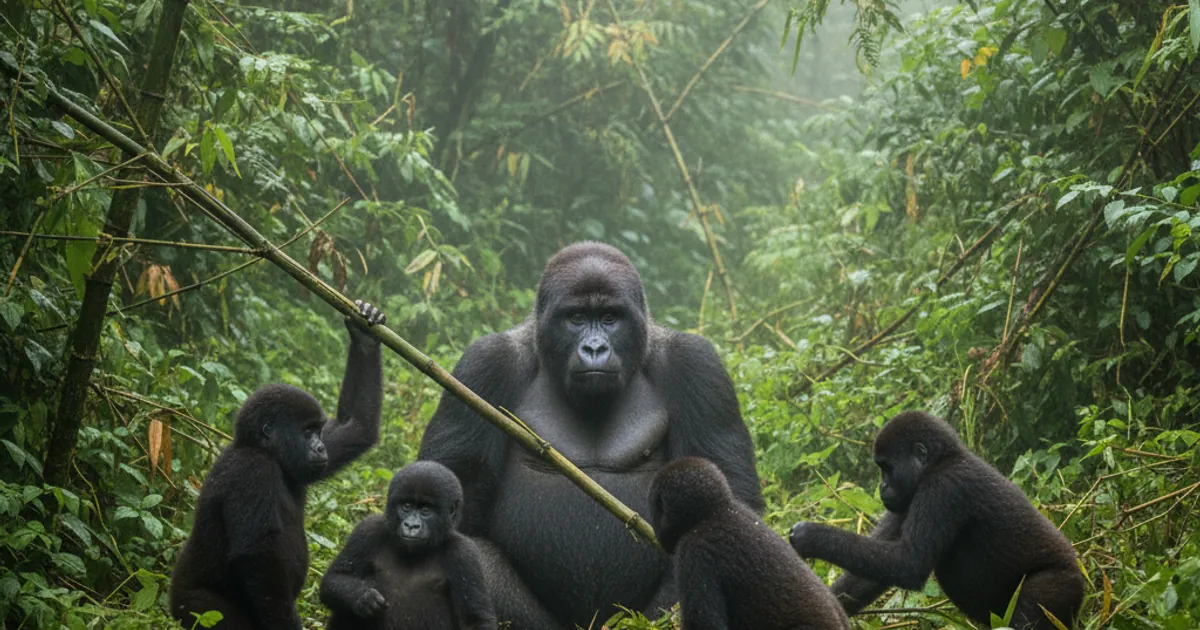
Rwanda is one of Africa's safest and most welcoming safari destinations, renowned for mountain gorilla trekking in Volcanoes National Park. While the country has transformed remarkably since the 1990s, travellers should still prepare thoughtfully for health risks, wildlife encounters, and the unique demands of high-altitude trekking in equatorial forests.
Safety Overview
Rwanda has earned a reputation as one of the safest countries in Africa. The capital Kigali is clean, well-policed, and walkable even after dark in most neighbourhoods. Violent crime against tourists is exceptionally rare, and the government invests heavily in security infrastructure and tourism hospitality. Rwanda ranks consistently among the top African nations for personal safety in global indices.
That said, no destination is entirely without risk. Petty theft can occur in crowded markets, and the mountainous terrain of the Virunga volcanoes presents its own physical challenges. Understanding what to expect and how to prepare will let you focus on what matters - the extraordinary wildlife encounters that make Rwanda one of the continent's premier safari destinations.
Health and Vaccinations
Required and Recommended Vaccines
Yellow fever vaccination is required if you are arriving from a country with risk of yellow fever transmission, and a certificate may be checked at the border. Even if not strictly required for your routing, many travel health clinics recommend the vaccine for East African travel. It is a single dose that provides lifelong protection.
Additional recommended vaccinations include hepatitis A and B, typhoid, tetanus-diphtheria, and rabies (especially if you plan to trek in remote forested areas where access to post-exposure treatment may be delayed). A pre-travel consultation at a travel clinic at least 6-8 weeks before departure is essential.
Malaria Risk
Malaria is present throughout Rwanda, though risk varies by altitude. Kigali sits at approximately 1,500 metres and has lower transmission rates, while lower-lying areas such as Akagera National Park carry higher risk. Prophylaxis - typically atovaquone-proguanil (Malarone), doxycycline, or mefloquine - is strongly recommended for all travellers. Combine medication with bite-prevention measures: DEET-based repellent, long sleeves and trousers at dusk and dawn, and sleeping under treated mosquito nets.
Altitude Considerations
Gorilla trekking in Volcanoes National Park takes place at elevations between 2,500 and 4,000 metres. While acute mountain sickness is uncommon on day treks, some visitors experience headaches, breathlessness, and nausea - particularly those arriving directly from sea level. Spend at least one night in Kigali or Musanze to acclimatise before your trek. Stay well hydrated and inform your guide if you feel unwell.
Wildlife Safety on Safari
Gorilla Trekking Rules
Mountain gorilla encounters are governed by strict regulations designed to protect both the gorillas and visitors. You must maintain a minimum distance of 7 metres from the gorillas at all times. Groups are limited to 8 visitors, and each visit lasts a maximum of one hour. Never make sudden movements, avoid direct eye contact with silverbacks, and do not use flash photography. If a gorilla approaches you, crouch slowly and avert your gaze - your guide will instruct you.
Visitors with colds, flu, or any respiratory illness are not permitted to trek, as gorillas are highly susceptible to human diseases. This rule is strictly enforced and no refund is given - consider travel insurance that covers this scenario.
Safari in Akagera
Akagera National Park is Rwanda's big game destination, home to elephants, lions, leopards, buffalo, and hippos. Standard safari vehicle rules apply: remain inside the vehicle at all times unless your guide indicates it is safe, keep arms and legs within the vehicle, and never attempt to attract an animal's attention. Hippos are responsible for more human fatalities in Africa than any other large animal - maintain extreme caution around waterways, especially at dawn and dusk when hippos graze on land.
Forest Hiking
Rwanda's montane forests are home to various snake species, including the Jameson's mamba and Gaboon viper. Wear sturdy, ankle-high hiking boots and long trousers. Use a walking stick to probe vegetation ahead of you. Guides are trained in snake identification and first aid - always trek with a registered guide.
Common Scams and How to Avoid Them
Rwanda has far fewer tourist scams than many African destinations, largely due to strong policing and community governance structures (known as umudugudu). However, be aware of the following:
- Overcharging at markets: Kigali's craft markets expect bargaining. Research fair prices beforehand and negotiate respectfully. Start at roughly half the quoted price.
- Unlicensed guides: At national park entrances, individuals may offer guiding services. Always book through official Rwanda Development Board (RDB) channels or your lodge.
- Currency exchange: Use banks or official forex bureaux. Street money changers may offer attractive rates but can short-change you or pass counterfeit notes.
- Moto-taxi overcharging: Motorcycle taxis are ubiquitous in Kigali. Agree the fare before boarding or use ride-hailing apps for transparent pricing.
Solo Travel Considerations
Rwanda is an excellent destination for solo travellers. The country's safety record, compact geography, and well-organised tourism infrastructure make it one of the most accessible solo-travel destinations in Africa. Female solo travellers generally report feeling safe and respected. The main considerations are practical: gorilla permits cost $1,500 USD per person regardless of group size, so there is no saving by travelling alone. Joining a small group tour can provide companionship on treks and reduce per-person transfer costs.
Solo travellers should register with their embassy, share their itinerary with someone at home, and carry a local SIM card (MTN and Airtel both offer affordable data packages). Mobile coverage is surprisingly good across most of Rwanda, including parts of the national parks.
LGBTQ+ Safety
Rwanda does not criminalise same-sex relationships - one of a relatively small number of African countries where this is the case. However, Rwandan society remains conservative on LGBTQ+ matters, and public displays of affection between same-sex couples may attract unwanted attention. The tourism industry is generally professional and discreet. LGBTQ+ travellers should exercise the same situational awareness they would in any conservative society: discretion in rural areas is advisable, while Kigali is more cosmopolitan. There are no known reports of LGBTQ+ travellers being targeted or harassed in the tourism context.
Emergency Contacts
Police: 112
Ambulance: 912
Fire: 111
Rwanda Development Board (tourism issues): +250 252 576 514
King Faisal Hospital (Kigali): +250 252 582 421
Medical facilities in Kigali are reasonable by regional standards. King Faisal Hospital and Rwanda Military Hospital handle most emergencies. For serious injuries or illness, evacuation to Nairobi may be necessary - comprehensive travel and medical evacuation insurance is non-negotiable.
Valuables, Money, and Phones
The Rwandan franc (RWF) is the local currency, but US dollars are widely accepted at lodges and tour operators. Carry clean, undamaged notes printed after 2006 - older series are routinely rejected. ATMs are available in Kigali and larger towns but scarce in rural areas. Visa and Mastercard are accepted at upmarket hotels and restaurants.
- Use your lodge safe for passports, excess cash, and valuables.
- Carry a photocopy of your passport and keep the original locked away.
- Keep your phone in a zipped pocket or secure bag - phone snatching, while rare, does occur in busy market areas.
- Consider a waterproof dry bag for electronics during gorilla treks, as rain in the Virunga mountains can arrive suddenly and heavily.
For recommended safari gear including secure bags, dry bags, and camera equipment, see our equipment guide.
Rwanda-Specific Risks
Plastic Bag Ban
Rwanda has banned single-use plastic bags entirely. Bags will be confiscated at the airport and border crossings. Pack items in reusable bags or your luggage to avoid delays. This is not a safety risk per se, but an important practicality that catches many visitors off guard.
Driving Conditions
If self-driving, be aware that Rwanda's roads - while improving rapidly - include steep mountain passes with sharp switchbacks and no guardrails. Fog is common at high elevations. Drive slowly, use your horn on blind corners, and avoid night driving outside Kigali. Most safari visitors use lodge transfers or guided vehicles, which is strongly recommended.
Photography Restrictions
Photographing military installations, government buildings, and security checkpoints is prohibited and can lead to detention. If in doubt, ask before pointing your camera at anything other than wildlife and scenery.
For the best time to visit Rwanda for gorilla trekking and wildlife viewing, see our Rwanda seasonal guide. Also review our safety guides for nearby destinations: Kenya, Tanzania, and Zimbabwe.
Key Takeaways
- 1Rwanda is one of Africa's safest countries — Kigali is clean, well-policed, and walkable
- 2Yellow fever vaccination may be required depending on your routing; malaria prophylaxis is essential for all areas
- 3Gorilla trekking requires a 7-metre distance rule and bans visitors with respiratory illness — get travel insurance that covers cancellation
- 4Altitude can affect visitors at Volcanoes National Park (2,500-4,000m) — acclimatise for at least one night before trekking
- 5Single-use plastic bags are banned and confiscated at borders — pack reusable alternatives
- 6Medical evacuation insurance is essential as serious cases may require transfer to Nairobi
- 7LGBTQ+ relationships are not criminalised but discretion is advised in conservative rural areas
Frequently Asked Questions
Is Rwanda safe for tourists in 2026?
Yes, Rwanda is consistently rated one of the safest countries in Africa for tourists. Kigali has very low violent crime rates, the country has a strong police presence, and the tourism infrastructure is well-developed. Petty crime is uncommon but possible in crowded areas. The biggest risks for safari travellers are health-related (malaria, altitude) rather than security-related.
Do I need a yellow fever vaccine for Rwanda?
A yellow fever vaccination certificate is required if you are arriving from a country with yellow fever risk. If flying directly from Europe, North America, or other non-endemic regions, it is not mandatory but is recommended by most travel health clinics. The vaccine provides lifelong protection with a single dose.
What happens if I'm sick on the day of my gorilla trek?
If you have cold symptoms, a cough, fever, or any respiratory illness, you will not be permitted to trek. This rule protects the critically endangered mountain gorillas who are highly susceptible to human diseases. No refund is provided by the Rwanda Development Board. This is why travel insurance that covers trek cancellation due to illness is strongly recommended.
Is it safe to drink tap water in Rwanda?
Tap water in Kigali is treated and generally considered safe by local standards, but most travellers prefer to drink bottled or filtered water to avoid stomach upsets. Outside the capital, always use bottled, boiled, or purified water. Most lodges and hotels provide complimentary bottled water.
Can I use my credit card in Rwanda?
Visa and Mastercard are accepted at upmarket hotels, lodges, and some restaurants in Kigali. However, cash is king in most situations - markets, local restaurants, moto-taxis, and smaller establishments are cash only. ATMs are available in Kigali and major towns. Carry US dollars as backup; clean, undamaged notes printed after 2006 are preferred.