Kenya Safari Safety Guide: What Every Traveller Needs to Know
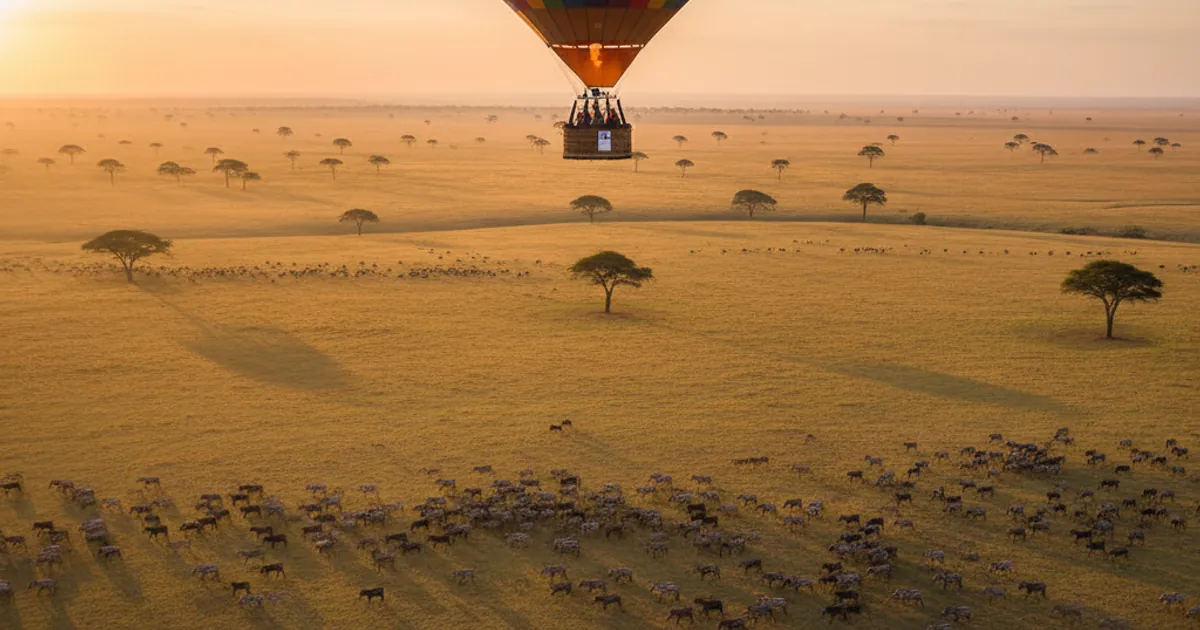
Kenya is the birthplace of the safari concept and remains one of Africa's most iconic wildlife destinations. From the Masai Mara's big cat encounters to Amboseli's elephant herds beneath Kilimanjaro, Kenya offers extraordinary experiences - but travellers must navigate health risks, urban security concerns, coastal safety dynamics, and the realities of sharing space with some of the continent's densest wildlife populations.
Safety Overview
Kenya's safari areas are generally safe and well-managed. The Masai Mara, Amboseli, Samburu, Laikipia, and Tsavo benefit from experienced operators, professional guides, and decades of tourism infrastructure. Security incidents in safari zones are very rare.
Nairobi, Kenya's capital, has a reputation for crime - the old nickname "Nairobbery" persists - though the situation has improved significantly with better policing and CCTV coverage. Sensible precautions are essential in the city. The coastal region around Mombasa and Diani Beach is popular with tourists but has its own security considerations, including occasional terrorist threats related to Kenya's proximity to Somalia and its military operations there. The Kenyan government and tourism industry take these threats seriously with visible security at hotels, malls, and tourist sites.
The northeastern border region (near Somalia) should be avoided entirely by tourists. The coastal strip north of Lamu requires careful assessment of current security advisories. All major safari areas are well away from these zones.
Health and Vaccinations
Required and Recommended Vaccines
Yellow fever vaccination is required if arriving from an endemic country. The certificate is checked at immigration. Kenya itself has yellow fever risk in certain western regions, and many travel clinics recommend vaccination regardless of routing. Other recommended vaccines: hepatitis A and B, typhoid, tetanus-diphtheria, polio booster, meningococcal meningitis, and rabies.
Malaria Risk
Malaria is present across most of Kenya below 2,500 metres, including all safari areas, the coast, and western Kenya. Nairobi, at 1,700 metres, has low but non-zero risk. Prophylaxis is strongly recommended: atovaquone-proguanil (Malarone), doxycycline, or mefloquine. Supplement with bite-prevention measures - DEET repellent, long sleeves and trousers at dusk and dawn, and sleeping under treated nets. Safari lodges provide mosquito nets; some also have screened windows and spray rooms at dusk.
Travellers' Diarrhoea
Gastrointestinal illness is common among visitors to Kenya. Avoid tap water (drink bottled or filtered), be cautious with street food, and eat freshly prepared hot food. Carry oral rehydration salts and a course of azithromycin or ciprofloxacin (prescribed by your travel clinic) for severe cases. Wash hands frequently or use hand sanitiser, particularly before eating.
Wildlife Safety on Safari
Big Cat Country
The Masai Mara has one of the highest densities of lions, leopards, and cheetahs anywhere in Africa. During game drives, remain in the vehicle at all times. When viewing big cats - particularly at kills or with cubs - keep noise to a minimum and do not lean out of the vehicle. Cheetahs occasionally climb onto safari vehicles for a vantage point; stay calm, stay low, and do not touch the animal. Your guide will manage the situation.
Elephant Encounters
Amboseli is famous for its massive elephant herds. Elephants are intelligent and generally tolerant of vehicles, but breeding herds with young calves can be defensive. Signs of agitation include ear flapping, head shaking, and mock charges. Your driver should reverse slowly if an elephant shows displeasure. Never position the vehicle between a mother and her calf.
Night Drives and Walking Safaris
Night drives are permitted in conservancies bordering the Masai Mara and in some private reserves, offering opportunities to see nocturnal species. Stay in the vehicle and follow your guide's spotlight protocol. Walking safaris in Laikipia, Samburu, and some Mara conservancies are led by armed guides - the same rules apply as in Tanzania: single file, low voices, neutral clothing, and immediate compliance with guide instructions.
Hippo and Crocodile Safety
Kenya's rivers and lakes - including the Mara River, Lake Naivasha, and Lake Baringo - host large populations of hippos and Nile crocodiles. Never approach riverbanks on foot without a guide. Hippos kill more people annually in Africa than any other large animal. At Lake Naivasha, boat trips operate among hippo pods - reputable operators maintain safe distances, but budget operations may not. Choose carefully.
Common Scams and How to Avoid Them
- Safari operator fraud: As in Tanzania, unlicensed operators advertise cheap safaris in Nairobi. Book only through KATO (Kenya Association of Tour Operators) registered companies. Ask for a KATO membership number and verify it online.
- Nairobi street crime: Bag snatching and phone theft are common in downtown Nairobi. Do not use your phone while walking, keep bags close, and avoid the area around River Road after dark.
- Beach boys (coast): On the coast, especially in Diani and Malindi, "beach boys" offer excursions, drugs, and companionship. Most are harmless but persistent. Firm refusal works. Some use guilt or emotional manipulation - stay clear of offers that seem too personal too quickly.
- Fake charity collections: Individuals with clipboards may approach you claiming to collect for orphanages or schools. While genuine charities exist, street solicitation is overwhelmingly a scam. Donate through established organisations if you wish to help.
- Matatu (minibus) pickpockets: Crowded public minibuses are prime pickpocketing locations. Use Bolt or Uber in Nairobi, or book private transfers.
Solo Travel Considerations
Kenya is a popular solo travel destination with a strong backpacker and independent traveller infrastructure. Nairobi's Westlands and Karen areas have hostels and guesthouses catering to solo visitors. Joining a group safari from Nairobi is straightforward and cost-effective. Solo female travellers should exercise particular caution in Nairobi at night and on the coast. In Mombasa's Old Town and some coastal areas, dress modestly in keeping with the local Muslim culture.
Mobile connectivity is excellent across Kenya - Safaricom M-PESA is ubiquitous and many transactions, from taxis to market purchases, can be done via mobile money. Get a local Safaricom SIM card on arrival at the airport.
LGBTQ+ Safety
Same-sex sexual activity is illegal in Kenya, carrying theoretical penalties of up to 14 years' imprisonment. Enforcement against tourists is very rare, but societal attitudes are conservative. Public displays of affection between same-sex couples will attract attention and potentially hostility, particularly outside Nairobi's most cosmopolitan areas. The tourism industry is generally professional, and upmarket safari lodges serve all guests discreetly. However, LGBTQ+ travellers should exercise caution and discretion, particularly in rural areas and on the coast.
Emergency Contacts
Police: 999 or 112
Ambulance: 999
AMREF Flying Doctors: +254 20 699 2000
Kenya Wildlife Service emergency: 0800 597 000
Nairobi Hospital: +254 20 284 5000
Aga Khan Hospital Nairobi: +254 20 366 2000
Nairobi has excellent private hospitals - Nairobi Hospital, Aga Khan, and MP Shah are all internationally accredited. Medical evacuation from safari areas is provided by AMREF Flying Doctors, the region's premier air ambulance service headquartered in Nairobi. Purchase AMREF tourist membership or ensure your travel insurance covers their services. In remote areas, evacuation by light aircraft to Nairobi is the standard protocol for serious injuries or illness.
Valuables, Money, and Phones
The Kenyan shilling (KES) is the local currency. US dollars are accepted at lodges and for park fees. As elsewhere in East Africa, carry clean US dollar notes printed after 2006. ATMs are widespread in Nairobi, Mombasa, and larger towns. Visa and Mastercard are accepted at hotels and upmarket restaurants.
- M-PESA mobile money is ubiquitous - consider loading a small amount for taxis, purchases, and tipping.
- Use hotel safes for passports and valuables.
- In Nairobi, carry only the cash you need for the day. Leave large sums and cards in the hotel safe.
- Keep your phone in an inside pocket. Phone snatching is the most common crime affecting tourists.
- Carry a photocopy of your passport and keep the original locked up.
For recommended safari equipment including anti-theft daybacks and secure money belts, see our gear guide.
Kenya-Specific Risks
Terrorism Concerns
Kenya has experienced terrorist attacks linked to al-Shabaab, including the Westgate Mall attack (2013) and Dusit D2 hotel attack (2019) in Nairobi, and attacks in Garissa and Lamu. The government has significantly increased security at hotels, shopping centres, and tourist sites. Current risk is concentrated in the northeastern border region (near Somalia) and parts of the north coast. The main safari areas are hundreds of kilometres from these zones. Check your government's travel advisory before departure and register with your embassy.
Coastal Safety
The Kenyan coast from Mombasa to Diani is a popular beach destination but has different safety dynamics. Drug trafficking through the coast creates occasional security incidents. Swim only at lifeguarded beaches or hotel beaches. Rip currents are present along parts of the coast - ask locally before swimming. Malaria risk is higher at the coast than in highland safari areas.
Flash Floods
During the long rains (March-May) and short rains (October-December), flash floods can affect safari areas, roads, and river crossings. The Mara River and other waterways can rise rapidly. Follow your guide's advice about river crossings. In Nairobi, low-lying areas (particularly around Kibera and South C) flood regularly. Avoid driving through standing water - it may be deeper than it appears.
Altitude on Safari
Several Kenyan safari areas sit at moderate altitude: the Aberdares (up to 4,000m), Mount Kenya region, and the Laikipia plateau (1,800-2,400m). Visitors arriving from sea level may experience mild breathlessness. The Masai Mara (1,500m) and Amboseli (1,200m) are lower and unlikely to cause altitude issues. If ascending Mount Kenya, altitude sickness protocols similar to Kilimanjaro apply.
For the best time to visit for the Great Migration in the Mara and other wildlife seasons, see our Kenya seasonal guide. Explore Kenya's top national parks and reserves. Also read our safety guides for Tanzania, Rwanda, and South Africa.
Key Takeaways
- 1Safari areas are safe and well-managed — security concerns are concentrated in Nairobi and the northeastern border region
- 2Malaria prophylaxis is essential for all safari areas, the coast, and western Kenya
- 3Book only KATO-registered safari operators to avoid fraud — verify membership numbers online
- 4Phone snatching is the most common crime affecting tourists in Nairobi — keep devices in inside pockets
- 5AMREF Flying Doctors, headquartered in Nairobi, provides medical evacuation from all safari areas
- 6Same-sex activity is illegal — LGBTQ+ travellers should exercise discretion despite generally professional tourism services
- 7Check government travel advisories for the northeastern border region and north coast before travel
Frequently Asked Questions
Is Kenya safe for safari tourists in 2026?
Kenya's safari areas - the Masai Mara, Amboseli, Samburu, Laikipia, and Tsavo - are safe and well-managed with professional guides and established protocols. Nairobi requires standard urban safety precautions. The northeastern border region near Somalia should be avoided. The main tourist areas benefit from dedicated tourism police and visible security. Over 2 million tourists visit Kenya annually.
Is the Masai Mara safe?
The Masai Mara National Reserve and surrounding conservancies are very safe for tourists. The area is well-policed, guides are experienced and professional, and camps have established security protocols. The wildlife is the 'risk' - follow vehicle rules, stay in your vehicle during game drives, and never walk unescorted after dark in camp. The Mara has one of the highest densities of big cats in Africa, so wildlife protocol is particularly important here.
Do I need malaria tablets for Kenya?
Yes, malaria prophylaxis is recommended for most of Kenya, including the Masai Mara, Amboseli, Tsavo, the coast, and western Kenya. Nairobi has low risk due to altitude but prophylaxis is still recommended by most travel clinics. Combine medication with bite prevention: DEET repellent, long sleeves at dusk, and sleeping under mosquito nets (provided at all safari lodges).
What should I do about terrorism risk in Kenya?
The terrorism risk is concentrated in the northeastern border region near Somalia and occasionally the north coast near Lamu. All major safari areas are hundreds of kilometres from these zones. In Nairobi, security at hotels, malls, and tourist sites has been significantly upgraded since the Westgate and Dusit D2 attacks. Check your government's latest travel advisory, register with your embassy, remain aware of your surroundings, and know exit routes in large public buildings.
Is it safe to drive in Kenya?
Self-driving is possible but challenging. Kenya drives on the left. Roads between Nairobi and safari areas vary from good tarmac to rough dirt tracks. Driving standards are unpredictable - overtaking on blind corners and speeding are common. Most safari travellers use guided transfers or fly between locations, which is strongly recommended. If you do drive, avoid night driving, maintain a full fuel tank, and carry a spare tyre and basic tools.