What to Wear on Safari: A Complete Clothing Guide
Published 12 November 2026
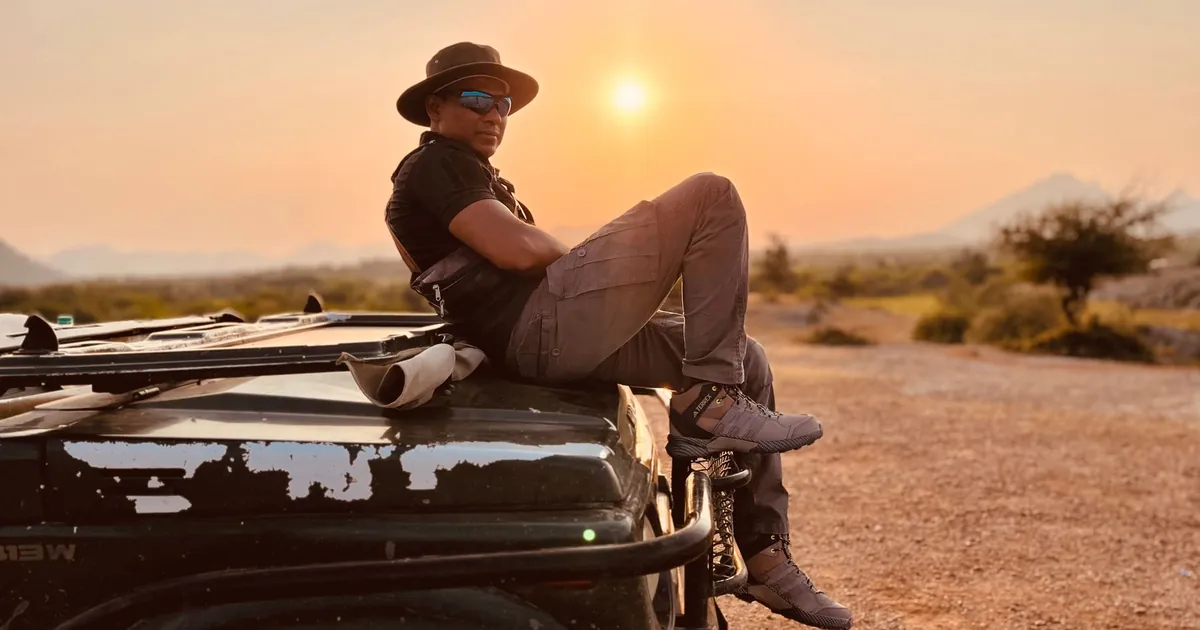
Why Safari Clothing Matters
Choosing what to wear on safari is not about looking the part in khaki. It is about staying comfortable across temperature swings of 15-25 degrees Celsius between dawn and midday, protecting yourself from sun and insects in environments where both can be severe, and - in open game drive vehicles - not spooking wildlife with bright colours or strong scents. Get the clothing right and you barely notice it. Get it wrong and your concentration shifts from the leopard in the acacia to your sunburned arm or the wind cutting through an inadequate fleece.
This guide covers the essential clothing items for a safari, why they matter, and what to look for when shopping. For the complete gear picture, the safari packing list covers everything you need beyond clothing.
The Golden Rules of Safari Clothing
Colour: Earth Tones Only
This is the most important rule and the one most commonly ignored. Safari clothing should be in neutral earth tones: khaki, olive, beige, tan, stone, dusty brown, grey, or muted green. These colours blend into the bush and do not startle wildlife on open game drives. Avoid white (reflects light, shows dust immediately, and can be seen clearly by animals), black and dark navy (absorb heat, can provoke tsetse flies in some areas), and any vivid or bright colour including royal blue, red, orange, or patterned prints.
Camouflage patterns are technically effective but are often banned or discouraged in national parks because they are associated with military and anti-poaching units in some countries - park staff may misread your intent. Plain khaki is always the right call.
Layers: The Safari Temperature Rule
A typical game drive day in the African bush follows a predictable temperature arc. You depart camp before sunrise when it may be 8-15 degrees Celsius in East Africa or 5-12 degrees in Southern Africa's winter months (June-August). By 9am the temperature is rising rapidly. By midday it can be 30-38 degrees Celsius. Evening drives return to cool or cold. You need to be able to dress and undress through this range without inconvenience.
The layering system that works best: a thin moisture-wicking base layer, a lightweight long-sleeved shirt over it, and a warm mid-layer (fleece or lightweight down jacket) that can be packed easily into a small daypack or the vehicle's storage compartment. Add a windproof shell for early morning or high-altitude environments.
Fabrics: Function Over Fashion
The best safari fabrics are lightweight, quick-drying, breathable, and ideally UPF-rated for sun protection. Merino wool is the premium choice for base layers - it regulates temperature effectively, resists odour even after multiple days of wear, and is comfortable against skin. Synthetic technical fabrics (nylon, polyester travel blends) are excellent for shirts and trousers - they dry faster than cotton after washing and are lighter to pack. Avoid heavy denim; it is hot, slow to dry, and stiff after dusty game drives.
For shirts, a long-sleeved design with a collar and roll-up sleeves is the most versatile option. It protects against sun on open vehicles, covers your arms against insects at dusk, and can be rolled up in the heat. Look for vented back panels for airflow in hot conditions.
Essential Clothing Items
Shirts
Bring three to four lightweight long-sleeved shirts in neutral colours. Most safari camps offer daily laundry service, so you do not need to pack for the full duration of the trip. A collar provides some protection for the back of your neck on open vehicles. If you plan to walk through bush on walking safaris, long sleeves are non-negotiable for thorn protection as well as sun protection.
Trousers and Shorts
Lightweight convertible trousers - the zip-off-to-shorts variety - are genuinely useful on safari. Wear them long for early morning drives and walking, zip off the legs when temperatures rise. Bring one or two pairs; they wash easily and dry overnight. Shorts are fine in the heat of the day, but long trousers are better for evening drives when insects are most active and temperatures drop.
Fleece or Warm Mid-Layer
This is the item most commonly underpacked. A substantial fleece or lightweight down jacket is essential for game drives in the African winter months (June-August) in Southern Africa, where pre-dawn temperatures in Botswana, Zambia, and South Africa can fall to 3-8 degrees Celsius in an open vehicle. Even East Africa's year-round warmth has cool mornings; Masai Mara game drives in July depart at 6am into 12-15 degree conditions. A mid-weight fleece jacket that can be compressed into a stuff sack is the most practical option.
Footwear
For game drives: comfortable, closed-toe shoes or ankle boots. Trainers work fine on vehicle-based safaris. For walking safaris: proper ankle-supporting hiking boots with a grippy sole, ideally waterproofed. The terrain on walking safaris in South Luangwa or Kruger bush areas is uneven and can be slippery after rain. Do not attempt a walking safari in trainers or sandals. Break in your hiking boots before the trip - blisters in the Zambian bush are not trivial. Sandals are fine for camp evenings. Flip-flops are useful for camp but not appropriate outside of camp buildings.
Hat
A wide-brimmed hat is essential for open vehicle drives. The sun in Africa is extremely strong, particularly at altitude. A broad brim (minimum 7.5 cm) protects your face, neck, and ears during hours of sitting on exposed game drive vehicles. A baseball cap provides inadequate protection for the sides of your face and neck. Some visitors prefer a hat with a neck flap for additional coverage. Whatever you choose, make sure it is secured - hats fly off in moving vehicles.
Socks
Merino wool hiking socks for any walking activity. Cotton socks for camp evenings. Pack more socks than you think you need - dusty drives and sweaty mornings go through socks quickly, and laundry services cannot always guarantee same-day return.
Swimwear and Evening Wear
Most safari camps have a pool, and afternoon "siesta" time (the midday heat is too intense for productive game drives) is when it gets used. Bring swimwear. For evenings, safari camps are smart-casual at most - no dress codes beyond "not dusty game drive clothes." A light long-sleeved cotton shirt or blouse for evenings doubles as both evening wear and insect protection when sitting around the fire after dinner.
Items to Leave at Home
- White or bright-coloured clothing of any kind
- Heavy jeans or thick cotton trousers
- Perfume, strong cologne, or scented toiletries (attract insects and can disturb wildlife on walking safaris)
- Open-toed sandals for anything beyond camp
- Camouflage military-style clothing
- Heavy leather boots (too hot, too heavy to pack)
Photography Considerations
If you are bringing camera equipment on game drives, consider your clothing from a photography angle too. Avoid clothing with metal clasps, buckles, or zips that clatter when you move - the click of loose hardware can spook animals at close range. A dark-coloured camera bag reduces reflections and blends better than a bright bag. For detailed photography advice, the safari photography guide covers camera settings, lenses, and techniques for game drive conditions.
Packing Summary
For a seven to ten day safari, a typical clothing packing list:
- 3-4 long-sleeved technical shirts (khaki/olive)
- 2 pairs convertible trousers
- 1 pair shorts
- 1 fleece or lightweight down jacket
- 1 windproof shell
- Hiking boots (walking safaris) or comfortable trainers (drives only)
- Camp sandals
- Wide-brimmed hat
- 4-5 pairs merino wool or hiking socks
- Swimwear
- 1-2 smart-casual evening tops
- Lightweight underlayers if visiting Southern Africa in June-August
Most of this can be fitted into a single medium duffel bag - appropriate for light aircraft transfers to remote camps, which often have strict luggage weight limits of 15-20 kg including hand baggage. Soft-sided bags are strongly preferred over rigid suitcases for this reason.