Safari in South Africa

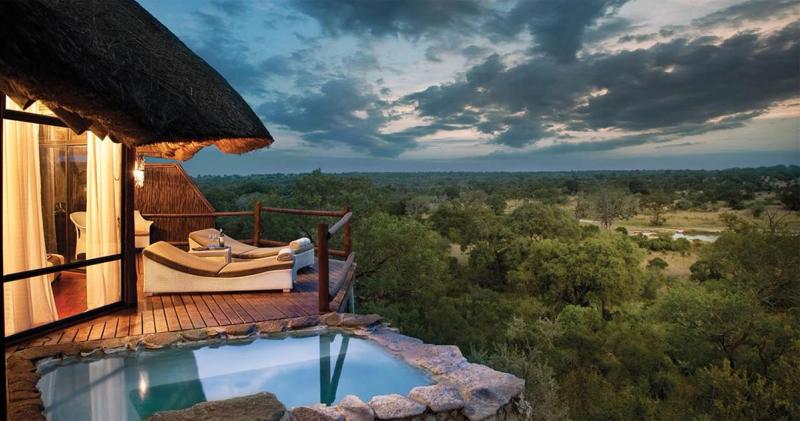
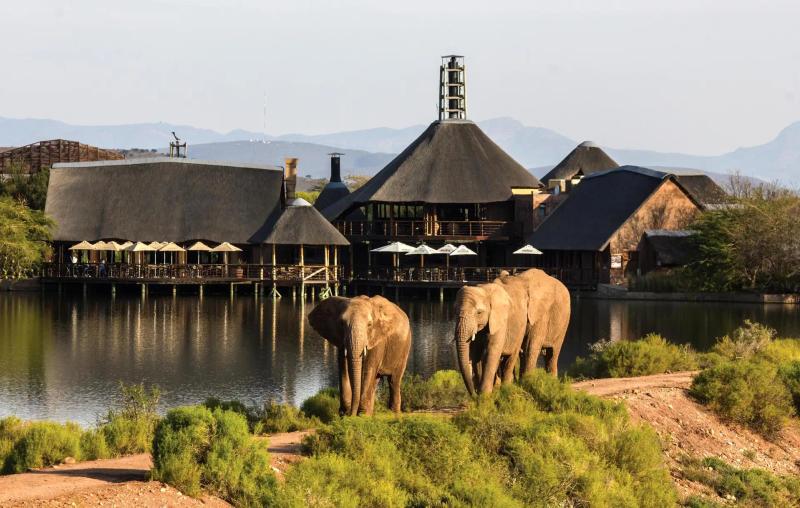
South Africa offers the most accessible safari experience in Africa, with Kruger National Park as its flagship reserve. The country's private game...

South Africa Safari at a Glance

6 safari regions, 70 parks & reserves, 272 wildlife species recorded.

Travel Advisories for South Africa

UK FCDO: See travel advice before travelling.

Best Time to Visit South Africa

The best months to visit South Africa are January, February, March, based on temperature, rainfall, weather conditions, and wildlife viewing opportunities.

Month-by-Month Safari Conditions

  • January: Great, temperature 22.4°C, rainfall 85.6mm, sunshine 11.4 hrs, humidity 67.2%
  • February: Great, temperature 22.1°C, rainfall 76.9mm, sunshine 10.7 hrs, humidity 67.9%
  • March: Great, temperature 21°C, rainfall 54.7mm, sunshine 10.4 hrs, humidity 67.3%
  • April: Good, temperature 18.1°C, rainfall 55.1mm, sunshine 9.6 hrs, humidity 67.1%
  • May: Good, temperature 15.8°C, rainfall 34.9mm, sunshine 9.4 hrs, humidity 63.9%
  • June: Good, temperature 13.3°C, rainfall 33.9mm, sunshine 9.1 hrs, humidity 61.6%
  • July: Good, temperature 12.6°C, rainfall 24.7mm, sunshine 9.4 hrs, humidity 57.2%
  • August: Good, temperature 14.2°C, rainfall 24.8mm, sunshine 9.7 hrs, humidity 56.8%
  • September: Good, temperature 16.7°C, rainfall 36.7mm, sunshine 10 hrs, humidity 58.5%
  • October: Great, temperature 18.8°C, rainfall 57.9mm, sunshine 10.3 hrs, humidity 61%
  • November: Great, temperature 20.3°C, rainfall 58.8mm, sunshine 10.9 hrs, humidity 63.4%
  • December: Great, temperature 21.4°C, rainfall 93.1mm, sunshine 10.9 hrs, humidity 67.2%

Wildlife in South Africa

Home to 272 recorded species including 90 iconic birds, 73 waterbirds, 63 birds of prey, 9 tropical birds, 8 antelope & gazelle, 6 big five.

Notable Species in South Africa

Recommended Packing List for South Africa

Based on average temperature of 18.1°C, typical conditions, humidity 63%.

  • Light layers - comfortable for 18°C weather
  • Binoculars - essential for every game drive
  • Sun hat & sunscreen - protection from the African sun
  • Sturdy walking shoes - for bush walks and uneven terrain
  • Neutral-coloured clothing - khaki, olive, and tan blend with the bush
  • Insect repellent - essential in most safari regions
  • First aid kit - basic medical supplies for remote areas
  • Torch / headlamp - useful for evenings at camp
  • Camera with telephoto lens - capture your safari memories

Safety & Health - South Africa

South Africa offers an unparalleled safari experience, and with a few sensible precautions, it's an incredibly safe destination. We always prioritize health and safety, ensuring our vaccinations are current and we're protected against malaria in risk areas. By staying vigilant in urban settings and securing comprehensive travel insurance, you're set for an unforgettable and worry-free adventure.

Visa

For many of our readers from countries like the US, UK, Canada, Australia, and most EU nations, a visa isn't required for tourist stays up to 90 days. We always recommend checking the latest requirements with the South African embassy or consulate in your home country well before departure, as regulations can change. It's a straightforward process for most, but always best to be prepared.

Malaria

Malaria is a concern primarily in the low-lying areas of Mpumalanga, Limpopo, and northern KwaZulu-Natal, which includes the iconic Kruger National Park and surrounding private reserves. We strongly recommend speaking with your doctor about anti-malarial prophylaxis before your trip, especially if visiting during the warmer, wetter months (October to May). Beyond medication, we always advise using insect repellent with DEET, wearing long sleeves and trousers at dusk, and sleeping under mosquito nets where provided. Many luxury lodges in these areas are excellent at mosquito control, but personal vigilance is key.

Safari Calendar - South Africa

South Africa offers a diverse safari experience, and knowing when to visit is key to unlocking its magic. For classic Big Five game viewing, we unequivocally recommend the dry winter months from June to October, when animals congregate around dwindling water sources and the vegetation is sparse. However, the green season, particularly November to March, offers sensational birding, dramatic skies, and the heartwarming sight of new life, especially in the private reserves. Don't forget the Cape region's spectacular whale watching season, which runs from June to November, perfectly complementing a bush adventure.

January - Green Season

We love focusing on the vibrant birdlife and the heartwarming sight of new life taking its first steps in the lush bushveld.

February - Green Season

We recommend embracing the dramatic skies and the sheer abundance of young animals, which creates a truly special atmosphere.

March - Green Season

This is a superb time for photography, with the verdant scenery and soft light creating stunning backdrops for wildlife encounters.

April - Shoulder Season

We love the comfortable temperatures for game drives and the transition of the bush from lush green to golden hues.

May - Dry Season

This is when the classic safari experience truly begins to shine, offering fantastic opportunities for Big Five encounters.

June - Dry Season

We recommend layering up for early morning drives to witness incredible predator action, then heading to the coast for the start of whale season.

July - Dry Season

The crisp air and clear skies make for sensational photography and unparalleled game viewing, especially for predators.

August - Dry Season

We suggest combining a classic Big Five safari with world-class whale watching in the Cape for an unforgettable dual experience.

September - Dry Season

This month offers the perfect balance of comfortable weather, exceptional wildlife encounters, and the vibrant floral displays of the Cape.

October - Shoulder Season

We love the drama of the first rains breaking the dry spell, refreshing the landscape and invigorating the wildlife.

November - Green Season

A fantastic time for birding and witnessing the bush transform into a vibrant green, full of new life and energy.

December - Green Season

Despite the peak crowds, the energy of new life and the dramatic storm clouds over the verdant bush are truly captivating.

Safari Regions

South Africa FAQs

How do the best times for a South African safari and a Cape region visit differ?

For prime safari viewing in places like Kruger, the dry winter months (May to October) are ideal as animals congregate around water sources. Conversely, the Cape region, including Cape Town and the Winelands, is best enjoyed during its warm, sunny summer (November to March), which also coincides with the peak whale watching season along the coast (June to November).

What are the typical cost expectations for a South African safari, from self-drive to luxury private reserves?

South Africa offers a wide range of safari budgets; a self-drive safari in Kruger National Park can be quite affordable, with daily costs potentially starting from $100-$200 USD per person for accommodation and park fees. For a luxurious, all-inclusive experience in a private game reserve, expect to pay upwards of $700-$1500+ USD per person per night, covering guided game drives, meals, and premium lodging.

What specific safety advice should travelers consider when visiting South Africa, particularly outside of game reserves?

While game reserves are generally very safe, travelers should exercise caution in urban areas, especially after dark, by avoiding walking alone and securing valuables. It's advisable to use reputable transport services, be aware of your surroundings, and follow local guidance, much like visiting any major city worldwide.

Beyond the traditional Big Five, what unique wildlife can I expect to encounter in South Africa, especially in the coastal and fynbos regions?

South Africa is renowned for its 'Marine Big Five' – whales, great white sharks, seals, dolphins, and penguins – particularly along the Cape coast. In the unique fynbos biome, you can spot endemic bird species like the Cape Sugarbird and various small antelope, adding a distinct dimension to your wildlife viewing beyond the savanna.

How practical is it to combine a Kruger safari with a visit to the Cape region, and what's the best way to travel between them?

Combining a Kruger safari with a Cape region visit is highly practical and a popular itinerary, often facilitated by frequent domestic flights. Travelers typically fly from Kruger-area airports (like Skukuza or Nelspruit) directly to Cape Town International Airport (CPT), making the transition seamless and allowing for a diverse experience within a single trip.

Recommended Books for South Africa

  • The Handbook of Bird Photography by Markus Varesvuo, Jari Peltomäki & Bence Máté - Excellent for birding photographers on safari - covers technique, equipment, fieldcraft, and post-processing with stunning example images.
  • Photographing Wildlife in Africa by Paolo Torchio - Practical guide specifically for African safari photography - camera settings, lens choices, composition techniques, and how to make the most of game drives.
  • Fodor's The Complete Guide to African Safaris by Fodor's Travel - Country-by-country planning guide with lodge reviews, practical logistics, packing lists, and insider tips. Often cited as the best all-in-one safari planning resource.
  • Lonely Planet Botswana & Namibia by Lonely Planet - Covers the Okavango Delta, Chobe, Etosha, Sossusvlei, and the Skeleton Coast. Essential for self-drive safaris through two of southern Africa's wildest destinations.
  • Lonely Planet Zambia & Mozambique by Lonely Planet - From Victoria Falls and South Luangwa to Mozambique's pristine coastline. Practical advice for two of Africa's most rewarding off-the-beaten-path destinations.
  • National Geographic Kids: Safari by National Geographic - Age-appropriate wildlife facts with stunning photographs. Great for getting children excited about the animals they'll see on safari.
  • Lonely Planet Southern Africa by Lonely Planet - Covers South Africa, Botswana, Namibia, Zambia, Zimbabwe, and Mozambique. Practical planning information with detailed park and city guides.
  • Lonely Planet South Africa, Lesotho & Eswatini by Lonely Planet - Comprehensive guide to South Africa including Kruger, Garden Route, Cape Town, and the Drakensberg. Essential for self-drive safari planning.
  • The Elephant Whisperer by Lawrence Anthony - Incredible true story of saving a herd of rogue elephants in Zululand, South Africa. A massive bestseller that will change how you see elephants forever.
  • The Last Elephants by Don Pinnock & Colin Bell - Conservation-focused book combining beautiful photography with urgent storytelling about the threats facing Africa's elephant populations.
  • Here Is the African Savanna by Madeleine Dunphy - Beautifully illustrated picture book about the savanna ecosystem. Teaches children about the interconnected web of life on an African plain.
  • Safari: A Photographic Journey by Art Wolfe - Large-format coffee-table book from one of the world's most celebrated nature photographers. Stunning images from across the African continent.
  • The Kingdon Field Guide to African Mammals by Jonathan Kingdon - The definitive mammal field guide for Africa covering over 1,150 species with detailed illustrations. Considered the gold standard for safari-goers and researchers alike.
  • The Behavior Guide to African Mammals by Richard Despard Estes - Goes beyond identification to explain why animals behave as they do. Essential reading for safari-goers who want to understand the wildlife they observe.
  • Roberts Bird Guide by Hugh Chittenden, Greg Davies & Ingrid Weiersbye - Comprehensive southern African bird guide covering 960+ species with detailed range maps and illustrations. The birder's bible for safaris in South Africa, Botswana, and Namibia.
  • Remembering Lions by Various Photographers - Part of the acclaimed Remembering Wildlife conservation book series. Features contributions from world-class wildlife photographers, with proceeds supporting lion conservation.
  • African Animals ABC by Stella Blackstone & Petr Horacek - Simple alphabet book with bold, colourful animal illustrations. Perfect for toddlers and young children preparing for their first safari. Ages 2–5.
  • Beat About the Bush: Mammals by Trevor Carnaby - The single best book for understanding animal behaviour on safari. Explains why animals do what they do - feeding, mating, territory, predator-prey dynamics. Makes every game drive infinitely more rewarding.
  • Sasol Birds of Southern Africa by Ian Sinclair, Phil Hockey & Warwick Tarboton - The southern Africa birding bible. Covers over 950 species with detailed illustrations, distribution maps, and habitat notes. The most trusted bird field guide for South Africa, Botswana, Namibia, Zimbabwe, Zambia, and Mozambique.
  • Africa's Top Wildlife Countries by Mark W. Nolting - The most respected safari planning book in print. Detailed country-by-country guide covering parks, lodges, best times to visit, and what wildlife to expect. Updated regularly. The first book every safari planner should read.
  • The Safari Companion: A Guide to Watching African Mammals by Richard D. Estes - Part field guide, part planning tool. Explains mammal behaviour in a way that transforms game drives. Covers tracks, signs, social structures, and habitat preferences. A must-pack for serious safari-goers.
  • The Shadow of the Sun by Ryszard Kapuscinski - Widely considered the greatest book ever written about Africa. Kapuscinski spent 40 years reporting from across the continent. Vivid, poetic, and deeply insightful. Essential pre-safari reading for understanding the continent.
  • Elephant Company by Vicki Constantine Croke - The extraordinary true story of James Howard Williams and the elephants who helped him build bridges, extract teak, and ultimately rescue refugees across the Burmese jungle during WWII. Gripping and moving.
  • When the Last Lion Roars by Sara Evans - An urgent, accessible account of the African lion's decline from 200,000 to under 20,000 in a century. Covers the science, politics, and human stories behind lion conservation. Eye-opening pre-safari reading.
  • An Elephant in My Kitchen by Francoise Malby-Anthony - The moving sequel to The Elephant Whisperer, written by Lawrence Anthony's wife. Continues the story of the Thula Thula elephants after his death. A beautiful account of the bond between humans and elephants.
  • Ivory, Horn and Blood by Ronald Orenstein - The definitive book on the poaching crisis devastating African elephants and rhinos. Covers the criminal networks, the rangers fighting back, and what travellers can do. Important context for any safari visitor.
  • Last Chance to See by Douglas Adams & Mark Carwardine - Witty and heartbreaking tour of endangered species by the Hitchhiker's Guide author. Combines humour with urgent conservation messaging.
  • Owen and Mzee by Isabella Hatkoff, Craig Hatkoff & Paula Kahumbu - True story of an orphaned hippo befriending a 130-year-old tortoise in Kenya. A heartwarming tale of unlikely friendship that teaches empathy.
  • Remembering Elephants by Various Photographers - Stunning coffee-table book from the Remembering Wildlife series. All proceeds go to elephant conservation - beautiful photography with a purpose.
  • Whatever You Do, Don't Run by Peter Allison - Hilarious memoir from a Botswana safari guide - true stories from the bush that will have you laughing out loud. A favourite among safari enthusiasts.
  • Poached by Rachel Love Nuwer - Gripping investigation into the illegal wildlife trade - from African poaching networks to Asian markets. Essential reading for understanding the threats to safari wildlife.
  • Safari Nation by Jacob S. T. Dlamini - Fascinating history of South Africa's national parks and their complex colonial legacy. Academic but accessible - changes how you think about safari tourism.
  • Safari: A Photicular Book by Dan Kainen & Carol Kaufmann - Mesmerising book with moving photographic images of African animals. Kids and adults love the magical moving pictures - perfect pre-trip gift.

Other Safari Countries in Southern Africa