Safari in Uganda
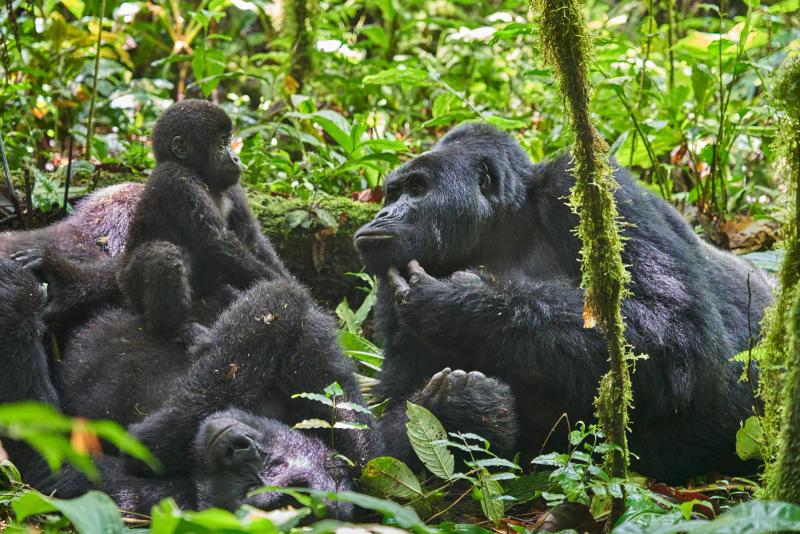
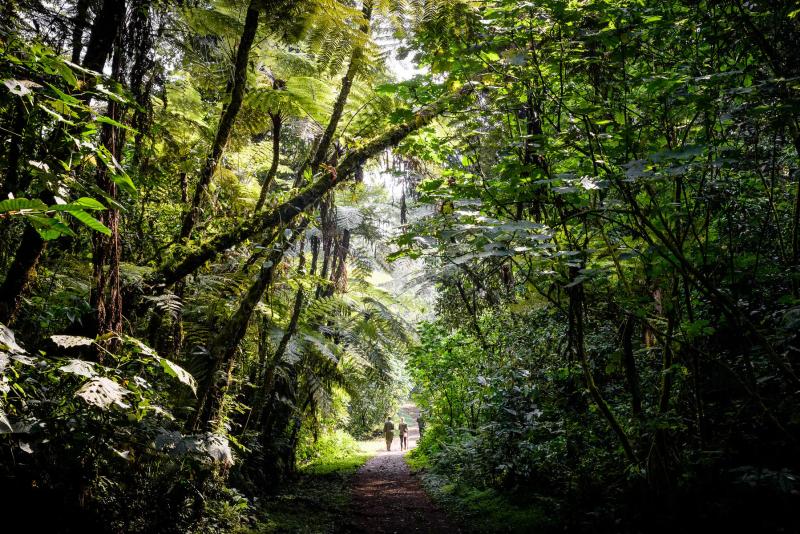
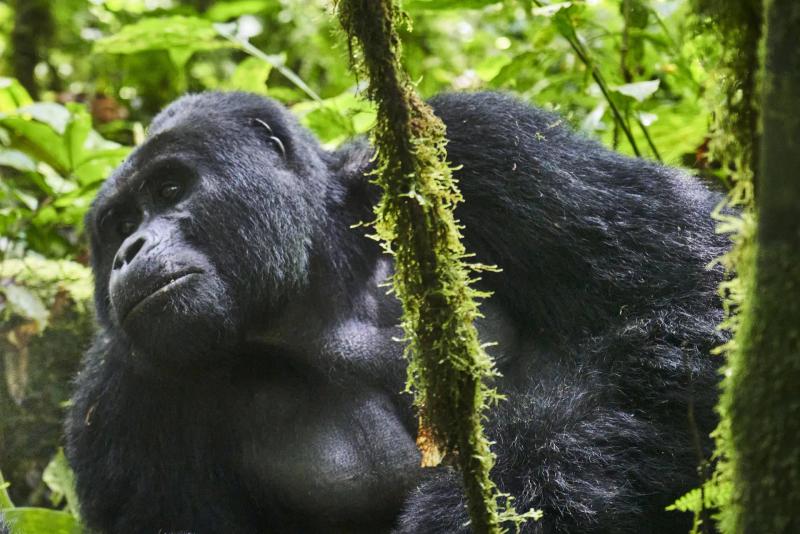
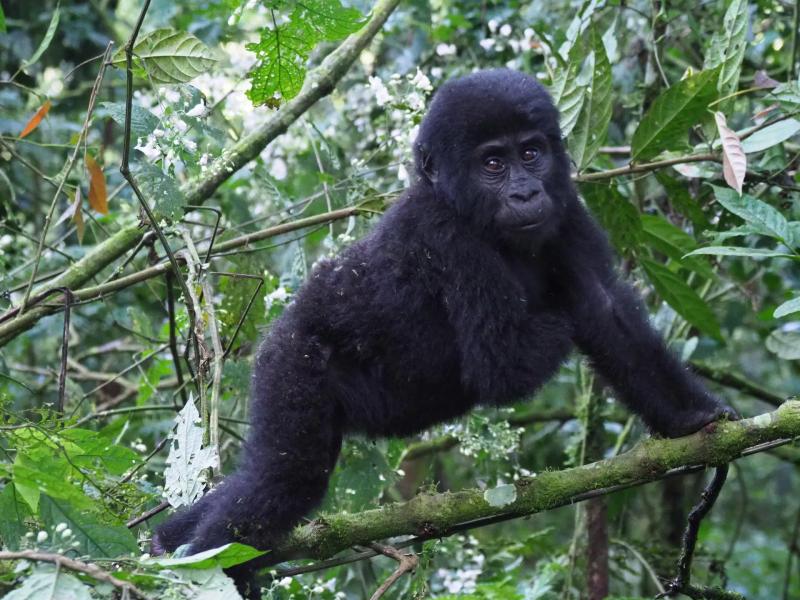
Known as the Pearl of Africa, Uganda is the world's top destination for mountain gorilla trekking. Bwindi Impenetrable Forest and Queen Elizabeth National...
Uganda Safari at a Glance
5 safari regions, 56 parks & reserves, 300 wildlife species recorded.
Travel Advisories for Uganda
UK FCDO: See travel advice before travelling.
Best Time to Visit Uganda
The best months to visit Uganda are January, February, March, based on temperature, rainfall, weather conditions, and wildlife viewing opportunities.
Month-by-Month Safari Conditions
- January: Great, temperature 23.1°C, rainfall 45.5mm, sunshine 10.7 hrs, humidity 59.4%
- February: Great, temperature 24°C, rainfall 41.5mm, sunshine 10.7 hrs, humidity 57.3%
- March: Great, temperature 23.5°C, rainfall 101.3mm, sunshine 10.5 hrs, humidity 65.9%
- April: Good, temperature 22.3°C, rainfall 154.5mm, sunshine 10 hrs, humidity 74.9%
- May: Good, temperature 22.1°C, rainfall 117.6mm, sunshine 10.7 hrs, humidity 75.5%
- June: Great, temperature 22°C, rainfall 70mm, sunshine 11 hrs, humidity 69%
- July: Great, temperature 21.7°C, rainfall 80.6mm, sunshine 10.4 hrs, humidity 67.7%
- August: Good, temperature 21.6°C, rainfall 105.7mm, sunshine 10.7 hrs, humidity 72.2%
- September: Good, temperature 21.6°C, rainfall 125.6mm, sunshine 10.6 hrs, humidity 75.2%
- October: Good, temperature 22°C, rainfall 129mm, sunshine 10.3 hrs, humidity 74.3%
- November: Good, temperature 21.6°C, rainfall 142.7mm, sunshine 9.8 hrs, humidity 75.3%
- December: Great, temperature 22.4°C, rainfall 72mm, sunshine 10.8 hrs, humidity 67.4%
Wildlife in Uganda
Home to 300 recorded species including 128 iconic birds, 64 birds of prey, 61 waterbirds, 14 tropical birds, 7 big herbivores, 6 big five.
Notable Species in Uganda
- African Jacana (Actophilornis africanus) - Waterbirds
- Bateleur (Terathopius ecaudatus) - Birds of Prey
- Saddle-billed Stork (Ephippiorhynchus senegalensis) - Waterbirds
- Lappet-faced Vulture (Torgos tracheliotos) - Birds of Prey
- Martial Eagle (Polemaetus bellicosus) - Birds of Prey
- Great White Pelican (Pelecanus onocrotalus) - Waterbirds
- Shoebill (Balaeniceps rex) - Waterbirds
- Lilac-breasted Roller (Coracias caudatus) - Iconic Birds
- African Savanna Elephant (Loxodonta africana) - Big Five
- Lesser Flamingo (Phoeniconaias minor) - Waterbirds
- Waterbuck (Kobus ellipsiprymnus) - Antelope & Gazelle
- African Buffalo (Syncerus caffer) - Big Five
- Common Warthog (Phacochoerus africanus) - Big Herbivores
- Olive Baboon (Papio anubis) - Primates
- Abdim's Stork (Ciconia abdimii) - Waterbirds
- Eastern Gorilla (Gorilla beringei) - Primates
- Chimpanzee (Pan troglodytes) - Primates
- Superb Starling (Lamprotornis superbus) - Iconic Birds
- Mantled Guereza (Colobus guereza) - Primates
- Common Hippopotamus (Hippopotamus amphibius) - Big Herbivores
- Impala (Aepyceros melampus) - Antelope & Gazelle
- Plains Zebra (Equus quagga) - Big Herbivores
- Nile Crocodile (Crocodylus niloticus) - Reptiles
- Northern Giraffe (Giraffa camelopardalis) - Big Herbivores
- Lanner Falcon (Falco biarmicus) - Birds of Prey
- Lion (Panthera leo) - Big Five
- Nile Monitor (Varanus niloticus) - Reptiles
- Hartebeest (Alcelaphus buselaphus) - Antelope & Gazelle
- Giant Forest Hog (Hylochoerus meinertzhageni) - Big Herbivores
- Secretarybird (Sagittarius serpentarius) - Birds of Prey
Recommended Packing List for Uganda
Based on average temperature of 22.3°C, typical conditions, humidity 70%.
- Light layers - comfortable for 22°C weather
- Binoculars - essential for every game drive
- Sun hat & sunscreen - protection from the African sun
- Sturdy walking shoes - for bush walks and uneven terrain
- Neutral-coloured clothing - khaki, olive, and tan blend with the bush
- Insect repellent - essential in most safari regions
- First aid kit - basic medical supplies for remote areas
- Torch / headlamp - useful for evenings at camp
- Camera with telephoto lens - capture your safari memories
Safety & Health - Uganda
Travelling safely in Uganda, the 'Pearl of Africa,' is straightforward with proper preparation and awareness. While the lure of mountain gorillas and tree-climbing lions is strong, we prioritize health precautions like vaccinations and malaria prophylaxis. With sensible precautions and a reputable operator, your journey through Uganda's lush landscapes will be both secure and unforgettable.
Visa
We've found that most nationalities, including those from the US, UK, and EU, will need a visa to enter Uganda. The easiest way is often an e-visa obtained online before your trip, though visa-on-arrival is sometimes an option at Entebbe International Airport. We always recommend checking the latest requirements well in advance of your departure.
Malaria
Uganda is largely considered a high-risk malaria zone, including all safari parks and urban areas. We strongly advise taking anti-malarial prophylaxis as prescribed by your doctor. Beyond medication, we always use insect repellent with DEET, wear long sleeves and trousers at dawn and dusk, and sleep under mosquito nets provided by lodges. It's a non-negotiable part of our packing list.
Safari Calendar - Uganda
Uganda, the Pearl of Africa, truly shines during its dry seasons from June to August and December to February. These periods offer the most predictable weather, with sunny days perfect for tracking mountain gorillas in Bwindi and for game drives in parks like Queen Elizabeth and Murchison Falls. While the green seasons from March to May and October to November bring lush landscapes and exceptional birding, they also bring rain that can impact road conditions and game viewing visibility. For us, the absolute best time to visit for classic safari experiences is July and August, when the wildlife is most concentrated and the skies are clear, though we also adore the vibrant birdlife during the shoulder months.
January - Dry Season
We love the clear skies for photography and the ease of tracking gorillas in the drier Bwindi.
February - Dry Season
We recommend heading north to Murchison Falls for incredible game drives and boat trips on the Nile.
March - Short Rains
We find the lush scenery after the first rains incredibly beautiful, and the lower crowds are a bonus for gorilla trekking.
April - Short Rains
We love the dramatic skies and the feeling of having the parks almost to ourselves during this quieter period.
May - Short Rains
We think May offers a fantastic balance of good weather, lush scenery, and fewer tourists, especially for chimpanzee tracking.
June - Dry Season
We love June for its perfect weather and the abundance of wildlife sightings, especially in the western parks.
July - Dry Season
We find July to be one of the absolute best months for seeing gorillas and enjoying the vast savannas of Queen Elizabeth.
August - Dry Season
We recommend August for its superb game viewing conditions and the chance to witness the dramatic landscapes of Kidepo.
September - Dry Season
We love September for the continued dry conditions and the start of the birding season, making it ideal for diverse safari experiences.
October - Short Rains
We find October offers a beautiful, green landscape and fantastic birding opportunities, especially in the southern parks.
November - Short Rains
We recommend November for dedicated birdwatchers who want to experience Uganda's incredible avian diversity in a greener setting.
December - Dry Season
We love December for the return of dry weather and the festive atmosphere, making it a great time for family safaris.
Safari Regions
- Central & Lake Victoria Basin - 16 safari destinations
- Karamoja & Northeastern Wilderness - 10 safari destinations
- Northern Uganda & Murchison Falls - 12 safari destinations
- Southwestern Uganda (Gorillas & Mountains) - 8 safari destinations
- Western Rift Valley & Crater Lakes - 10 safari destinations
Uganda FAQs
What is the best time for mountain gorilla trekking in Uganda, and what should I expect regarding permit costs?
The dry seasons, from June to August and December to February, are ideal for gorilla trekking as trails are less muddy and conditions are generally more favorable. Permits for Bwindi Impenetrable Forest or Mgahinga Gorilla National Park currently cost $800 USD per person, per trek, and should be booked well in advance due to limited availability.
Besides mountain gorillas, what unique wildlife encounters can I expect on a Ugandan safari, particularly in Queen Elizabeth National Park?
Queen Elizabeth National Park is renowned for its unique tree-climbing lions, primarily found in the Ishasha sector, a rare behavior among big cats. You can also experience chimpanzee trekking in Kibale Forest National Park, home to the highest concentration of primates in East Africa, offering a different primate adventure.
What makes Uganda truly the 'Pearl of Africa' beyond its famous gorilla trekking, and what other activities are available?
Uganda earns its 'Pearl of Africa' moniker from its stunning natural beauty, including the source of the Nile River, dramatic Murchison Falls, and diverse birdlife with over 1,000 species. Beyond wildlife, you can enjoy white-water rafting on the Nile, cultural village visits, or exploring the Rwenzori Mountains, offering a rich tapestry of experiences.
How long should I plan for a comprehensive Ugandan safari, and what are the general safety considerations?
To experience Uganda's diverse offerings, including gorilla trekking, wildlife viewing, and cultural interactions, a 7-10 day itinerary is generally recommended. Uganda is considered a safe destination for tourists, but standard precautions like avoiding isolated areas at night and using reputable tour operators are advised.
What essential health precautions and packing advice are specific to a safari in Uganda's lush environment?
A Yellow Fever vaccination certificate is mandatory for entry into Uganda, and anti-malarial medication is highly recommended due to the prevalence of mosquitoes. For trekking and exploring the verdant landscapes, pack sturdy waterproof hiking boots, long sleeves and trousers for insect protection, and rain gear, even during dry seasons.
Recommended Books for Uganda
- Stuarts' Field Guide to National Parks & Game Reserves of East Africa by Chris & Mathilde Stuart - Park-by-park guide with maps, species lists, and practical information. Perfect for planning which parks to visit and what to expect.
- The Handbook of Bird Photography by Markus Varesvuo, Jari Peltomäki & Bence Máté - Excellent for birding photographers on safari - covers technique, equipment, fieldcraft, and post-processing with stunning example images.
- Birds of East Africa by Terry Stevenson & John Fanshawe - Covers Kenya, Tanzania, Uganda, Rwanda, and Burundi - 1,388 species illustrated with range maps. The essential birding companion for East African safaris.
- Photographing Wildlife in Africa by Paolo Torchio - Practical guide specifically for African safari photography - camera settings, lens choices, composition techniques, and how to make the most of game drives.
- Lonely Planet East Africa by Lonely Planet - Comprehensive travel guide covering Kenya, Tanzania, Uganda, and beyond. Practical information on visas, transport, accommodation, and detailed park guides.
- Fodor's The Complete Guide to African Safaris by Fodor's Travel - Country-by-country planning guide with lodge reviews, practical logistics, packing lists, and insider tips. Often cited as the best all-in-one safari planning resource.
- National Geographic Kids: Safari by National Geographic - Age-appropriate wildlife facts with stunning photographs. Great for getting children excited about the animals they'll see on safari.
- The Last Elephants by Don Pinnock & Colin Bell - Conservation-focused book combining beautiful photography with urgent storytelling about the threats facing Africa's elephant populations.
- Here Is the African Savanna by Madeleine Dunphy - Beautifully illustrated picture book about the savanna ecosystem. Teaches children about the interconnected web of life on an African plain.
- Safari: A Photographic Journey by Art Wolfe - Large-format coffee-table book from one of the world's most celebrated nature photographers. Stunning images from across the African continent.
- The Kingdon Field Guide to African Mammals by Jonathan Kingdon - The definitive mammal field guide for Africa covering over 1,150 species with detailed illustrations. Considered the gold standard for safari-goers and researchers alike.
- The Behavior Guide to African Mammals by Richard Despard Estes - Goes beyond identification to explain why animals behave as they do. Essential reading for safari-goers who want to understand the wildlife they observe.
- A Field Guide to the Reptiles of East Africa by Stephen Spawls, Kim Howell, Harald Hinkel & Michele Menegon - Comprehensive coverage of snakes, lizards, turtles, and crocodilians found across East Africa. A niche but appreciated guide for the thorough naturalist.
- Remembering Lions by Various Photographers - Part of the acclaimed Remembering Wildlife conservation book series. Features contributions from world-class wildlife photographers, with proceeds supporting lion conservation.
- African Animals ABC by Stella Blackstone & Petr Horacek - Simple alphabet book with bold, colourful animal illustrations. Perfect for toddlers and young children preparing for their first safari. Ages 2–5.
- Beat About the Bush: Mammals by Trevor Carnaby - The single best book for understanding animal behaviour on safari. Explains why animals do what they do - feeding, mating, territory, predator-prey dynamics. Makes every game drive infinitely more rewarding.
- Wildlife of East Africa (Princeton Pocket Guide) by Martin B. Withers & David Hosking - Compact pocket guide covering mammals, birds, reptiles, amphibians, and insects of Kenya, Tanzania, Uganda, and Rwanda. 500+ colour photographs. The best quick-reference guide to carry on game drives.
- Africa's Top Wildlife Countries by Mark W. Nolting - The most respected safari planning book in print. Detailed country-by-country guide covering parks, lodges, best times to visit, and what wildlife to expect. Updated regularly. The first book every safari planner should read.
- The Safari Companion: A Guide to Watching African Mammals by Richard D. Estes - Part field guide, part planning tool. Explains mammal behaviour in a way that transforms game drives. Covers tracks, signs, social structures, and habitat preferences. A must-pack for serious safari-goers.
- The Shadow of the Sun by Ryszard Kapuscinski - Widely considered the greatest book ever written about Africa. Kapuscinski spent 40 years reporting from across the continent. Vivid, poetic, and deeply insightful. Essential pre-safari reading for understanding the continent.
- Elephant Company by Vicki Constantine Croke - The extraordinary true story of James Howard Williams and the elephants who helped him build bridges, extract teak, and ultimately rescue refugees across the Burmese jungle during WWII. Gripping and moving.
- When the Last Lion Roars by Sara Evans - An urgent, accessible account of the African lion's decline from 200,000 to under 20,000 in a century. Covers the science, politics, and human stories behind lion conservation. Eye-opening pre-safari reading.
- Ivory, Horn and Blood by Ronald Orenstein - The definitive book on the poaching crisis devastating African elephants and rhinos. Covers the criminal networks, the rangers fighting back, and what travellers can do. Important context for any safari visitor.
- Last Chance to See by Douglas Adams & Mark Carwardine - Witty and heartbreaking tour of endangered species by the Hitchhiker's Guide author. Combines humour with urgent conservation messaging.
- Owen and Mzee by Isabella Hatkoff, Craig Hatkoff & Paula Kahumbu - True story of an orphaned hippo befriending a 130-year-old tortoise in Kenya. A heartwarming tale of unlikely friendship that teaches empathy.
- Bradt Guide: Uganda by Philip Briggs - The definitive guide to Uganda - gorilla trekking, Queen Elizabeth NP, Murchison Falls, and chimp tracking. Detailed practical information from Africa's leading guidebook author.
- Remembering Elephants by Various Photographers - Stunning coffee-table book from the Remembering Wildlife series. All proceeds go to elephant conservation - beautiful photography with a purpose.
- Whatever You Do, Don't Run by Peter Allison - Hilarious memoir from a Botswana safari guide - true stories from the bush that will have you laughing out loud. A favourite among safari enthusiasts.
- Poached by Rachel Love Nuwer - Gripping investigation into the illegal wildlife trade - from African poaching networks to Asian markets. Essential reading for understanding the threats to safari wildlife.
- Safari Nation by Jacob S. T. Dlamini - Fascinating history of South Africa's national parks and their complex colonial legacy. Academic but accessible - changes how you think about safari tourism.
- Safari: A Photicular Book by Dan Kainen & Carol Kaufmann - Mesmerising book with moving photographic images of African animals. Kids and adults love the magical moving pictures - perfect pre-trip gift.