Safari in Kenya
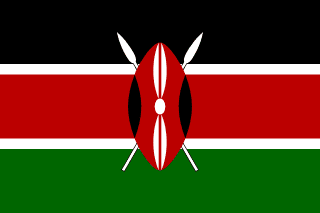
    Kenya flag

    Safari in Kenya

    East Africa
    8 regions
    52 parks

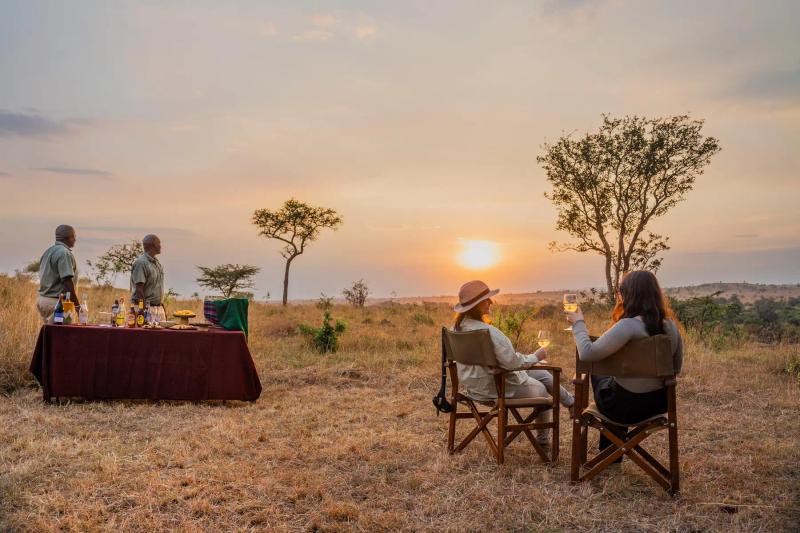
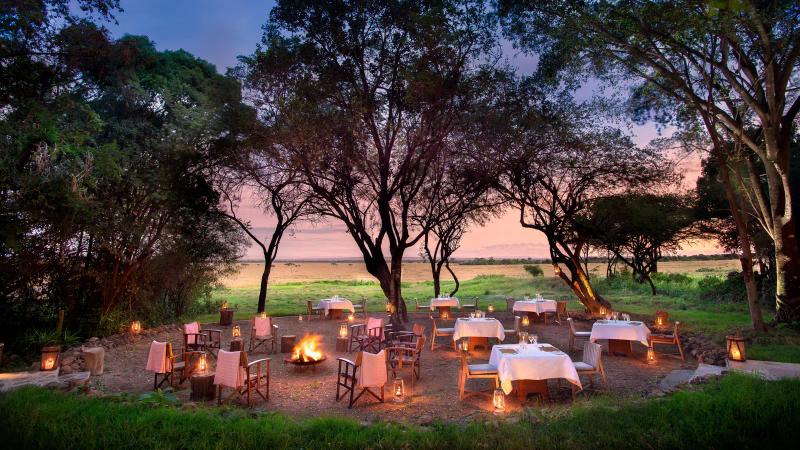
    Kenya is synonymous with safari, home to the legendary Masai Mara and the annual Great Migration. With diverse landscapes from savanna to mountain forests, it offers world-class Big Five viewing and a well-developed tourism infrastructure.

    Parks
    52
    Visa
    See details
    Malaria
    High risk

    Kenya Safari Regions Map

    Explore safari areas across Kenya

    Safari Regions

    Kenya Safari Regions

    Explore safari areas in Kenya

    Kenya is a safari powerhouse, and we believe there's never a bad time to visit, but timing can enhance your experience. For the iconic Great Migration river crossings, we love June through September,...

    January

    Now
    moderate

    Dry Season

    Expect warm, sunny days with cooler evenings. Rainfall is minimal, making it ideal for exploring.

    Predator activity is high as they take advantage of the dry conditions. Birding is good, though not at its peak.

    We love the clear skies and excellent game viewing this month, perfect for photographers.

    Masai Mara National Reserve
    Amboseli National Park
    Samburu National Reserve

    February

    moderate

    Dry Season

    Still very dry and warm, with temperatures often peaking. Water sources are scarce, concentrating wildlife.

    Calving season begins in the southern Masai Mara, attracting predators. It's a fantastic time for lion and cheetah sightings.

    We recommend heading south in the Masai Mara to witness the dramatic start of the calving season.

    Masai Mara National Reserve
    Tsavo West National Park
    Lake Nakuru National Park

    March

    moderate

    Dry Season

    The dry spell continues, though the first short rains might begin towards the end of the month.

    The migration is usually still in the southern Mara plains, with excellent predator action. Birding is improving.

    We find March offers a great balance of wildlife viewing and fewer crowds before the rains arrive.

    Masai Mara National Reserve
    Amboseli National Park
    Shaba National Reserve

    April

    low

    Long Rains

    This is typically the wettest month, with heavy, often afternoon, downpours. Landscapes turn lush and green.

    Wildlife disperses as water is plentiful. Game viewing can be challenging due to wet conditions, but birding is excellent.

    We enjoy the dramatic skies and the vibrant green scenery, though game drives require flexibility.

    Masai Mara National Reserve
    Samburu National Reserve
    Lake Nakuru National Park

    May

    low

    Long Rains

    Rainfall usually decreases but can still be significant. The landscape is at its most verdant.

    The migration is typically in the western or central Mara. Birding remains superb, with resident and migratory species.

    We love the quiet tranquility and the photographic opportunities presented by the lush, green environment.

    Masai Mara National Reserve
    Tsavo East National Park
    Meru National Park

    June

    moderate

    Green Season

    The rains taper off, leading to cooler temperatures and clear skies. The landscape is still very green.

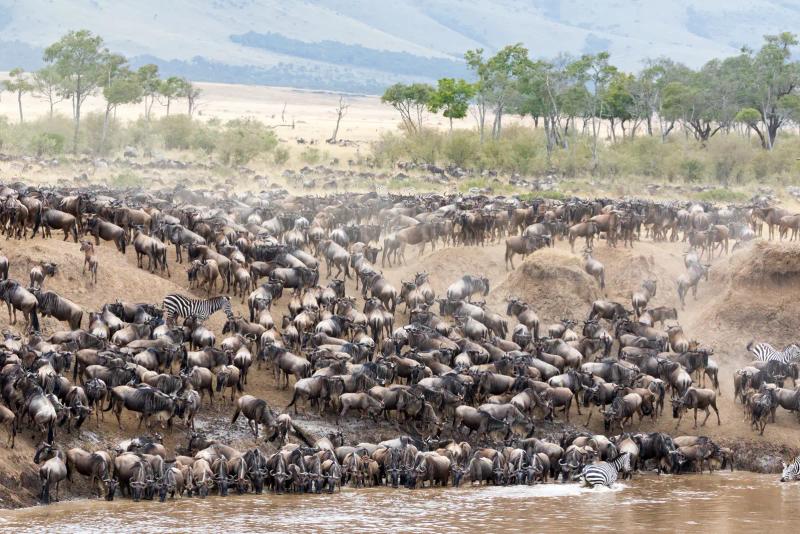
    The Great Migration begins its dramatic river crossings in the Mara. Predator sightings are excellent.

    We consider June one of the best months for witnessing the iconic Mara River crossings.

    Masai Mara National Reserve
    Amboseli National Park
    Samburu National Reserve

    July

    peak

    Green Season

    Cooler temperatures and dry conditions prevail. The landscape is drying out but still retains some green.

    The Great Migration is in full swing, with daily river crossings a highlight. Predator action is intense.

    We find July offers unparalleled wildlife drama with the peak of the migration and its river crossings.

    Masai Mara National Reserve
    Lake Nakuru National Park
    Ol Pejeta Conservancy

    August

    peak

    Green Season

    Dry and cool, with sunny days. This is peak safari season for many.

    The migration continues its northern journey, with river crossings still possible. Excellent general game viewing.

    We recommend August for its reliable game viewing and the chance to see the migration in its full glory.

    Masai Mara National Reserve
    Samburu National Reserve
    Tsavo West National Park

    September

    peak

    Green Season

    Dry and pleasant, with temperatures warming slightly. The landscape starts to show signs of the coming dry season.

    The migration begins to move south, but river crossings can still occur. Predator-prey interactions remain high.

    We love September for the continued excellent game viewing and the chance to catch the tail end of the migration.

    Masai Mara National Reserve
    Amboseli National Park
    Meru National Park

    October

    moderate

    Short Rains

    The short rains usually begin this month, bringing brief, localized showers. Temperatures are warm.

    Wildlife begins to spread out again. Birding is excellent as migratory species arrive. Predator activity is still good.

    We find October offers a great opportunity for birdwatching and often fewer crowds than the peak months.

    Masai Mara National Reserve
    Samburu National Reserve
    Lake Nakuru National Park

    November

    low

    Short Rains

    The short rains can be unpredictable, with showers often occurring in the afternoon. Landscapes become greener.

    Wildlife is dispersed but accessible. The arrival of resident birds and the start of breeding plumage make for great birding.

    We appreciate the fresh green landscapes and the excellent birding opportunities this month.

    Masai Mara National Reserve
    Tsavo East National Park
    Ol Pejeta Conservancy

    December

    high

    Dry Season

    The short rains usually end, leading to warmer, dry conditions. Expect sunny days and pleasant evenings.

    Wildlife congregates around water sources, making for good viewing. The migration is usually back in the southern Mara.

    We recommend December for its classic dry season game viewing and the festive atmosphere.

    Masai Mara National Reserve
    Amboseli National Park
    Samburu National Reserve

    January

    Now
    moderate

    Dry Season

    Expect warm, sunny days with cooler evenings. Rainfall is minimal, making it ideal for exploring.

    Predator activity is high as they take advantage of the dry conditions. Birding is good, though not at its peak.

    We love the clear skies and excellent game viewing this month, perfect for photographers.

    Masai Mara National Reserve
    Amboseli National Park
    Samburu National Reserve

    February

    moderate

    Dry Season

    Still very dry and warm, with temperatures often peaking. Water sources are scarce, concentrating wildlife.

    Calving season begins in the southern Masai Mara, attracting predators. It's a fantastic time for lion and cheetah sightings.

    We recommend heading south in the Masai Mara to witness the dramatic start of the calving season.

    Masai Mara National Reserve
    Tsavo West National Park
    Lake Nakuru National Park

    March

    moderate

    Dry Season

    The dry spell continues, though the first short rains might begin towards the end of the month.

    The migration is usually still in the southern Mara plains, with excellent predator action. Birding is improving.

    We find March offers a great balance of wildlife viewing and fewer crowds before the rains arrive.

    Masai Mara National Reserve
    Amboseli National Park
    Shaba National Reserve

    April

    low

    Long Rains

    This is typically the wettest month, with heavy, often afternoon, downpours. Landscapes turn lush and green.

    Wildlife disperses as water is plentiful. Game viewing can be challenging due to wet conditions, but birding is excellent.

    We enjoy the dramatic skies and the vibrant green scenery, though game drives require flexibility.

    Masai Mara National Reserve
    Samburu National Reserve
    Lake Nakuru National Park

    May

    low

    Long Rains

    Rainfall usually decreases but can still be significant. The landscape is at its most verdant.

    The migration is typically in the western or central Mara. Birding remains superb, with resident and migratory species.

    We love the quiet tranquility and the photographic opportunities presented by the lush, green environment.

    Masai Mara National Reserve
    Tsavo East National Park
    Meru National Park

    June

    moderate

    Green Season

    The rains taper off, leading to cooler temperatures and clear skies. The landscape is still very green.

    The Great Migration begins its dramatic river crossings in the Mara. Predator sightings are excellent.

    We consider June one of the best months for witnessing the iconic Mara River crossings.

    Masai Mara National Reserve
    Amboseli National Park
    Samburu National Reserve

    July

    peak

    Green Season

    Cooler temperatures and dry conditions prevail. The landscape is drying out but still retains some green.

    The Great Migration is in full swing, with daily river crossings a highlight. Predator action is intense.

    We find July offers unparalleled wildlife drama with the peak of the migration and its river crossings.

    Masai Mara National Reserve
    Lake Nakuru National Park
    Ol Pejeta Conservancy

    August

    peak

    Green Season

    Dry and cool, with sunny days. This is peak safari season for many.

    The migration continues its northern journey, with river crossings still possible. Excellent general game viewing.

    We recommend August for its reliable game viewing and the chance to see the migration in its full glory.

    Masai Mara National Reserve
    Samburu National Reserve
    Tsavo West National Park

    September

    peak

    Green Season

    Dry and pleasant, with temperatures warming slightly. The landscape starts to show signs of the coming dry season.

    The migration begins to move south, but river crossings can still occur. Predator-prey interactions remain high.

    We love September for the continued excellent game viewing and the chance to catch the tail end of the migration.

    Masai Mara National Reserve
    Amboseli National Park
    Meru National Park

    October

    moderate

    Short Rains

    The short rains usually begin this month, bringing brief, localized showers. Temperatures are warm.

    Wildlife begins to spread out again. Birding is excellent as migratory species arrive. Predator activity is still good.

    We find October offers a great opportunity for birdwatching and often fewer crowds than the peak months.

    Masai Mara National Reserve
    Samburu National Reserve
    Lake Nakuru National Park

    November

    low

    Short Rains

    The short rains can be unpredictable, with showers often occurring in the afternoon. Landscapes become greener.

    Wildlife is dispersed but accessible. The arrival of resident birds and the start of breeding plumage make for great birding.

    We appreciate the fresh green landscapes and the excellent birding opportunities this month.

    Masai Mara National Reserve
    Tsavo East National Park
    Ol Pejeta Conservancy

    December

    high

    Dry Season

    The short rains usually end, leading to warmer, dry conditions. Expect sunny days and pleasant evenings.

    Wildlife congregates around water sources, making for good viewing. The migration is usually back in the southern Mara.

    We recommend December for its classic dry season game viewing and the festive atmosphere.

    Masai Mara National Reserve
    Amboseli National Park
    Samburu National Reserve

    January

    Now
    moderate

    Dry Season

    Expect warm, sunny days with cooler evenings. Rainfall is minimal, making it ideal for exploring.

    Predator activity is high as they take advantage of the dry conditions. Birding is good, though not at its peak.

    We love the clear skies and excellent game viewing this month, perfect for photographers.

    Masai Mara National Reserve
    Amboseli National Park
    Samburu National Reserve

    February

    moderate

    Dry Season

    Still very dry and warm, with temperatures often peaking. Water sources are scarce, concentrating wildlife.

    Calving season begins in the southern Masai Mara, attracting predators. It's a fantastic time for lion and cheetah sightings.

    We recommend heading south in the Masai Mara to witness the dramatic start of the calving season.

    Masai Mara National Reserve
    Tsavo West National Park
    Lake Nakuru National Park

    March

    moderate

    Dry Season

    The dry spell continues, though the first short rains might begin towards the end of the month.

    The migration is usually still in the southern Mara plains, with excellent predator action. Birding is improving.

    We find March offers a great balance of wildlife viewing and fewer crowds before the rains arrive.

    Masai Mara National Reserve
    Amboseli National Park
    Shaba National Reserve

    April

    low

    Long Rains

    This is typically the wettest month, with heavy, often afternoon, downpours. Landscapes turn lush and green.

    Wildlife disperses as water is plentiful. Game viewing can be challenging due to wet conditions, but birding is excellent.

    We enjoy the dramatic skies and the vibrant green scenery, though game drives require flexibility.

    Masai Mara National Reserve
    Samburu National Reserve
    Lake Nakuru National Park

    May

    low

    Long Rains

    Rainfall usually decreases but can still be significant. The landscape is at its most verdant.

    The migration is typically in the western or central Mara. Birding remains superb, with resident and migratory species.

    We love the quiet tranquility and the photographic opportunities presented by the lush, green environment.

    Masai Mara National Reserve
    Tsavo East National Park
    Meru National Park

    June

    moderate

    Green Season

    The rains taper off, leading to cooler temperatures and clear skies. The landscape is still very green.

    The Great Migration begins its dramatic river crossings in the Mara. Predator sightings are excellent.

    We consider June one of the best months for witnessing the iconic Mara River crossings.

    Masai Mara National Reserve
    Amboseli National Park
    Samburu National Reserve

    July

    peak

    Green Season

    Cooler temperatures and dry conditions prevail. The landscape is drying out but still retains some green.

    The Great Migration is in full swing, with daily river crossings a highlight. Predator action is intense.

    We find July offers unparalleled wildlife drama with the peak of the migration and its river crossings.

    Masai Mara National Reserve
    Lake Nakuru National Park
    Ol Pejeta Conservancy

    August

    peak

    Green Season

    Dry and cool, with sunny days. This is peak safari season for many.

    The migration continues its northern journey, with river crossings still possible. Excellent general game viewing.

    We recommend August for its reliable game viewing and the chance to see the migration in its full glory.

    Masai Mara National Reserve
    Samburu National Reserve
    Tsavo West National Park

    September

    peak

    Green Season

    Dry and pleasant, with temperatures warming slightly. The landscape starts to show signs of the coming dry season.

    The migration begins to move south, but river crossings can still occur. Predator-prey interactions remain high.

    We love September for the continued excellent game viewing and the chance to catch the tail end of the migration.

    Masai Mara National Reserve
    Amboseli National Park
    Meru National Park

    October

    moderate

    Short Rains

    The short rains usually begin this month, bringing brief, localized showers. Temperatures are warm.

    Wildlife begins to spread out again. Birding is excellent as migratory species arrive. Predator activity is still good.

    We find October offers a great opportunity for birdwatching and often fewer crowds than the peak months.

    Masai Mara National Reserve
    Samburu National Reserve
    Lake Nakuru National Park

    November

    low

    Short Rains

    The short rains can be unpredictable, with showers often occurring in the afternoon. Landscapes become greener.

    Wildlife is dispersed but accessible. The arrival of resident birds and the start of breeding plumage make for great birding.

    We appreciate the fresh green landscapes and the excellent birding opportunities this month.

    Masai Mara National Reserve
    Tsavo East National Park
    Ol Pejeta Conservancy

    December

    high

    Dry Season

    The short rains usually end, leading to warmer, dry conditions. Expect sunny days and pleasant evenings.

    Wildlife congregates around water sources, making for good viewing. The migration is usually back in the southern Mara.

    We recommend December for its classic dry season game viewing and the festive atmosphere.

    Masai Mara National Reserve
    Amboseli National Park
    Samburu National Reserve

    320 species recorded in Kenya25 threatened

    Book Safari Experiences in Kenya

    Game drives, guided tours, and unique experiences in Kenya

    More details

    Visa Requirements for Kenya

    Check if you need a visa to visit Kenya

    Health & Vaccinations for Kenya

    Loading health information for Kenya...

    Kenya offers some of the world's most iconic safari experiences, and with a few sensible health and safety precautions, it remains an incredibly rewarding destination. We encourage you to travel with reputable operators, stay informed, and embrace the adventure with confidence. Your safety is paramount, allowing you to fully immerse yourself in the magic of the Kenyan wilderness.

    Vaccinations

    Yellow Fever - Required if you're arriving from a country with a risk of yellow fever transmission, and we highly recommend it for all travellers visiting safari areas.
    Typhoid - Essential for most travellers, as it's transmitted through contaminated food and water.
    Hepatitis A & B - We always advise these for protection against common infections.
    Tetanus, Diphtheria, Polio (TDAP) - Ensure your routine vaccinations are up-to-date before you travel.
    Rabies - Consider this if you plan extended stays, especially in rural areas, or if you'll be working closely with animals.

    Visa Requirements

    For most nationalities, including those from the US, UK, EU, and Australia, you'll need an e-visa to enter Kenya. We strongly recommend applying for this online well in advance of your travel dates through the official eVisa portal. It's a straightforward process, but don't leave it until the last minute.

    Malaria

    Malaria is a risk in most of Kenya's safari parks, coastal regions, and lower altitude areas. Nairobi and the central highlands are generally considered low-risk. We absolutely recommend discussing anti-malarial prophylaxis with your doctor before your trip. Beyond medication, always use insect repellent with DEET, sleep under mosquito nets where provided, and wear long sleeves and trousers at dusk and dawn to minimize bites.

    Travel Insurance

    Comprehensive travel insurance is non-negotiable for any safari, and for Kenya, we consider it absolutely essential. Crucially, ensure your policy includes emergency medical evacuation, often referred to as 'Medevac' cover. Should a serious medical issue arise in a remote safari camp, this ensures you can be swiftly transported to a well-equipped hospital. We often recommend policies that include membership with organizations like the Flying Doctors Society of Africa for that extra layer of peace of mind.

    Emergency Numbers

    police: 999
    ambulance: 112

    Travel Advisory

    From our extensive experience, Kenya is a remarkably safe destination for safari travellers. The vast majority of incidents affect residents in urban areas, not tourists on safari. In cities like Nairobi or Mombasa, we advise against walking alone at night and recommend using reputable taxis or ride-sharing apps. Petty crime, like pickpocketing, can occur in crowded areas, so always be aware of your belongings. We've always felt secure when travelling with established safari operators, who prioritize guest safety above all else. Always check current government travel advisories before you depart.

    Planning & reference

    Other Safari Countries in East Africa