The Complete Safari Packing List: What to Bring (And What to Leave Behind)
Published 19 June 2026
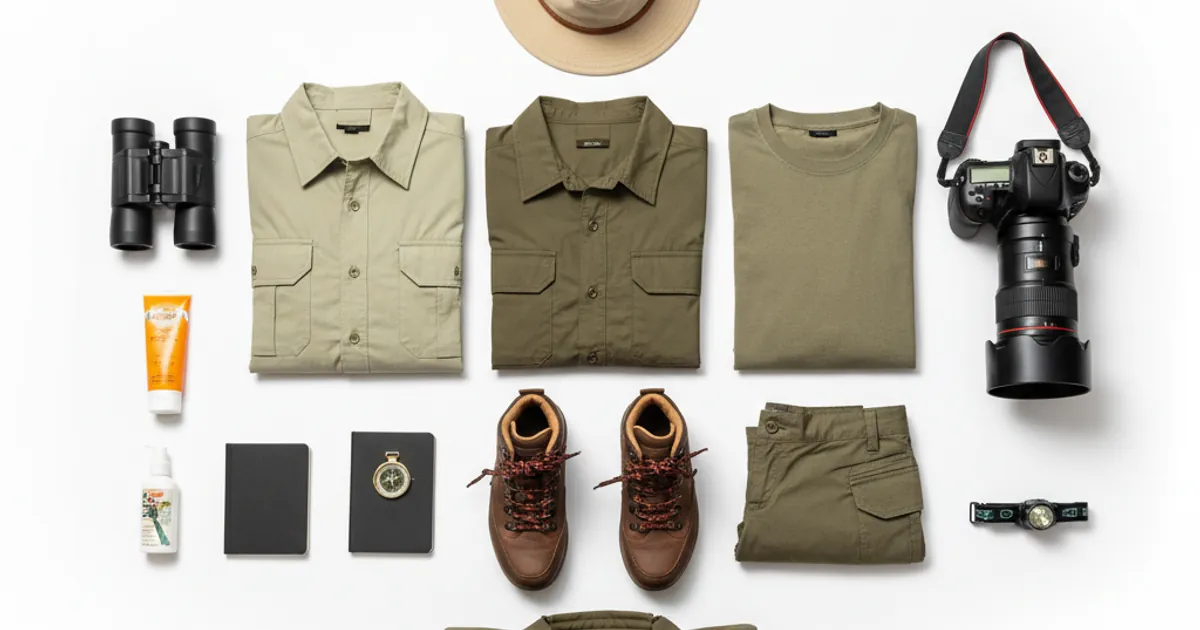
Pack Smart, Travel Light
Packing for safari is different from any other trip you'll take. You need to balance sun protection with warmth (yes, African mornings are cold), pack camera gear without exceeding strict bush flight luggage limits, and choose colours that won't get you bitten or scare the wildlife. This is the definitive safari packing list, refined from years of experience and feedback from guides across Africa.
The Golden Rule: Soft-Sided Bags Only
If your safari involves bush flights (common in Tanzania, Botswana, Kenya), you will face strict baggage limits - typically 15–20 kg per person in a soft-sided bag. Hard-shell suitcases cannot be loaded into small aircraft. Even if you're driving, soft duffel bags are easier to stow in safari vehicles. Invest in a quality, lightweight duffel bag (60–80 litres) and practise packing within the weight limit before you go.
Clothing: The Safari Wardrobe
The Essentials
- 3–4 neutral-coloured shirts: Long-sleeved, lightweight, breathable fabric. Khaki, olive, tan, or stone. Long sleeves protect against sun, thorn scratches, and mosquitoes.
- 2–3 pairs of trousers/pants: Zip-off convertible trousers are genuinely useful on safari - trousers in the morning cold, shorts by midday. Avoid jeans (heavy, slow-drying).
- 1 pair of shorts: For around camp during the heat of the day.
- 1 warm fleece or softshell jacket: Essential for early morning game drives. Temperatures can drop to 5–10°C before dawn, even near the equator.
- 1 lightweight rain jacket: Packable, waterproof, neutral colour. Even in dry season, unexpected showers happen.
- 4–5 sets of underwear and socks: Moisture-wicking, quick-dry fabrics. Most lodges offer same-day laundry service, so you don't need to pack for every day.
- 1 swimsuit: Most lodges and camps have plunge pools or swimming pools.
- 1 smart-casual outfit: Some upmarket lodges have a slightly dressed-up dinner atmosphere. Nothing formal - clean trousers and a collared shirt are plenty.
Colour Rules
This isn't just fashion advice - colours genuinely matter on safari:
- Wear: Khaki, olive, tan, brown, sage green, stone, beige
- Avoid white: Gets filthy with red African dust by lunchtime
- Avoid black and dark navy: Attracts tsetse flies (whose bite is painful)
- Avoid bright colours: Red, orange, bright yellow - can unsettle some animals
- Avoid camouflage: Illegal to wear in several African countries (associated with military uniforms)
Footwear
- 1 pair of closed walking shoes or light hiking boots: For bush walks and general use. Already broken in - blisters in the bush are miserable.
- 1 pair of comfortable sandals: For around camp. Closed-toe is safer than flip-flops (thorns, scorpions).
- Gaiters (optional): If you're doing serious walking safaris in snake-heavy areas.
Sun and Insect Protection
- Wide-brimmed hat: A must. The African sun is fierce, even in winter.
- Quality sunglasses: Polarised, UV-protective. Bring a strap so they don't bounce off on bumpy roads.
- SPF 50 sunscreen: Apply liberally and reapply. Even overcast days have high UV.
- DEET-based insect repellent (30–50% DEET): Essential in malaria areas. Apply to exposed skin at dusk.
- Lip balm with SPF: Easily forgotten, painfully regretted.
Camera and Optics
Your camera gear depends on your commitment level and your luggage weight limit. See our detailed safari photography guide for specific recommendations at every budget. The essentials:
- Camera body: Whatever you already own and know how to use. A smartphone with a good zoom is perfectly fine for your first safari.
- Telephoto lens: A 100–400mm or 200–600mm zoom is the workhorse safari lens. Rent one if you don't own one.
- Beanbag or window mount: Far more useful than a tripod in a vehicle. Rest your lens on it against the vehicle door for rock-steady shots.
- Extra memory cards: Bring more than you think you'll need. On a good day, you'll shoot 500–1,000 photos.
- Extra batteries: At least 2–3 fully charged. Some camps have limited charging points.
- Binoculars: 8x42 or 10x42 are ideal for safari. Even if you have a good camera, binoculars provide a different - often better - viewing experience. Essential for birding.
- Dust protection: A camera rain cover doubles as dust protection on bumpy dirt roads. Bring lens cleaning cloths and a blower.
Medical and Health Kit
- Antimalarial medication: If visiting a malaria area, start your course before departure as directed by your doctor. Common options: Malarone (atovaquone-proguanil), doxycycline.
- Prescription medications: Bring more than enough for your trip, in original packaging, with a doctor's letter.
- Basic first aid: Plasters/band-aids, antiseptic wipes, blister plasters, tweezers (for thorns), antihistamines.
- Rehydration sachets: Heat, altitude, and long game drives can dehydrate you faster than expected.
- Anti-diarrhoea medication: Imodium or similar. A precaution, not a certainty.
- Motion sickness tablets: Bumpy game drive roads can catch you off guard, especially in the back seat.
- Hand sanitiser: Not all bush toilet stops have washing facilities.
Documents and Essentials
- Passport: Minimum 6 months validity beyond your travel dates, with at least 2 blank pages
- Visa/eTA: Pre-arranged if required for your destination
- Travel insurance documents: Policy number, emergency contact number, evacuation cover confirmation
- Vaccination certificate: Yellow fever certificate if required (some countries demand it if you've transited through a yellow fever zone)
- Printed booking confirmations: Don't rely solely on your phone - remote areas may have no signal
- US dollars in small bills: $1, $5, $10, $20 - for tips, small purchases, and visa fees
- Credit/debit cards: Visa is most widely accepted. Notify your bank of your travel dates.
Seasonal Adjustments
Dry Season (Jun–Oct)
Coldest mornings, dustiest roads. Prioritise warm layers for the early morning drive and dust protection for cameras. Days are warm and sunny. Pack more neutral-coloured long-sleeved shirts for sun and dust protection.
Wet/Green Season (Nov–May)
Warmer temperatures, occasional heavy rain, lush green landscapes. A proper rain jacket is essential. Waterproof camera bag or rain cover for your gear. Lighter clothing since mornings are warmer. Insect repellent is even more important as mosquito activity increases after rain.
What NOT to Bring
- Hard-shell suitcases: Won't fit in bush aircraft or safari vehicle storage
- Bright or white clothing: See colour rules above
- Expensive jewellery: Unnecessary and attracts attention in towns
- Hair dryers/straighteners: Most safari camps have limited power; many lodges provide hair dryers
- Heavy books: Use a Kindle/e-reader instead
- Drone: Banned in virtually all national parks and reserves across Africa
- Perfume/cologne: Strong scents can attract insects. Use unscented products.
- Too many clothes: Laundry service is standard at most lodges. You need far fewer outfits than you think.
Packing Light: The 15kg Challenge
If you have bush flights, aim for a total packed weight of 15 kg including your camera gear. This sounds impossible but is achievable if you follow these principles:
- Wear your heaviest items (boots, fleece, rain jacket) on travel days
- Choose multi-purpose items (zip-off trousers, buff/bandana)
- Rely on lodge laundry - you only need 3 days' worth of clothing
- Minimise toiletries - decant into small travel containers
- Your camera bag often counts as a separate "personal item" - ask your airline/operator
Gear up: Browse our safari equipment guide for specific product recommendations at every price point. Planning your first safari? Read our camera and lens guide and explore safari knowledge articles. Find your ideal destination with our best safari experiences guide, or check out our safari planning tools.