Safari in Botswana
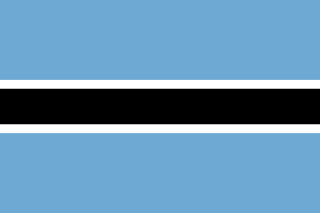
    Botswana flag

    Safari in Botswana

    Southern Africa
    6 regions
    86 parks

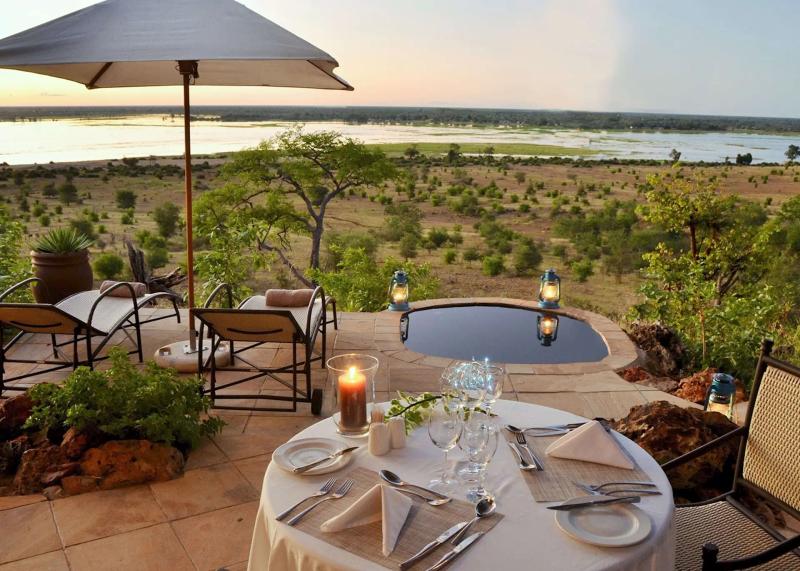
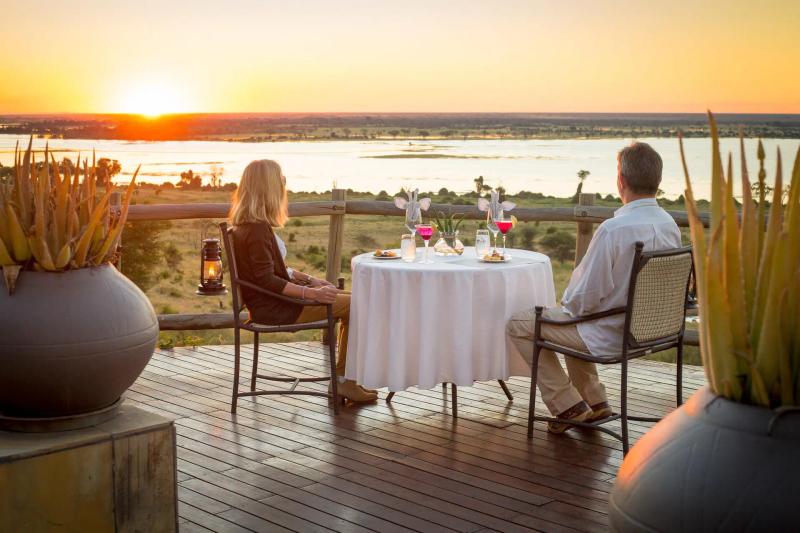
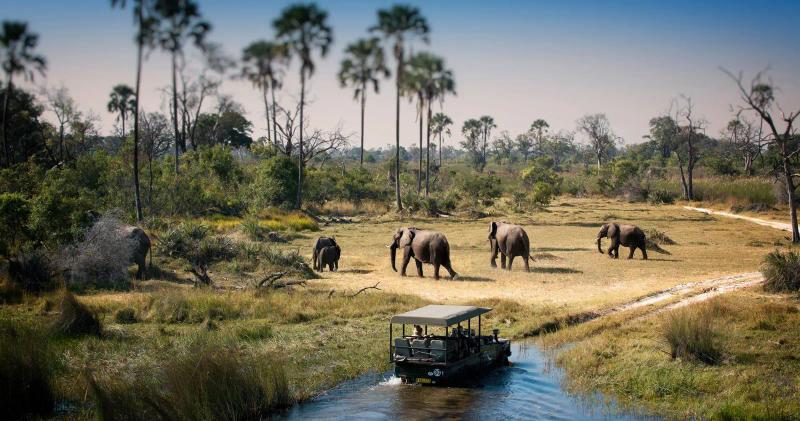
    Botswana's Okavango Delta is one of the world's great natural wonders - a vast inland river delta teeming with wildlife. The country's low-volume, high-value tourism model ensures exclusive, uncrowded safari experiences in pristine wilderness.

    Parks
    86
    Visa
    See details
    Malaria
    Low risk

    Botswana Safari Regions Map

    Explore safari areas across Botswana

    Safari Regions

    Botswana Safari Regions

    Explore safari areas in Botswana

    Botswana offers exceptional safari experiences year-round, but the 'best' time depends on your priorities. For classic big game viewing and predator action, we unequivocally recommend the dry season...

    January

    Now
    low

    Green Season

    January brings heavy rains, transforming the landscape into a lush, vibrant green. Days are warm and humid, with spectacular afternoon thunderstorms that clear to reveal crisp air.

    This is calving season, so we see many young animals, especially impala and wildebeest, which in turn attracts predators. Birding is exceptional with migratory species in full plumage.

    We love exploring the Central Kalahari Game Reserve this month, where the usually arid pans burst with life and offer incredible predator sightings.

    Central Kalahari Game Reserve
    Nxai Pan National Park
    Makgadikgadi Pans National Park

    February

    low

    Green Season

    Rains continue, often in short, intense bursts, leaving the air fresh and the vegetation dense. Temperatures remain warm, making for comfortable safari conditions between showers.

    Predators are active, taking advantage of the abundant young prey. The zebra migration is often still in full swing across the Makgadikgadi and Nxai Pans, a truly magnificent sight.

    We recommend focusing on the Kalahari parks to witness the zebra migration and the incredible interactions between predators and their vulnerable young.

    Nxai Pan National Park
    Makgadikgadi Pans National Park
    Central Kalahari Game Reserve

    March

    low

    Green Season

    The rains begin to lessen towards the end of March, but the landscape remains wonderfully green and vibrant. Days are warm, and the air is often clear after the last of the seasonal downpours.

    With water still widely available, wildlife is dispersed, offering a more intimate viewing experience. Birdlife remains phenomenal, and the Okavango Delta's water levels start to rise.

    We find March perfect for photography, with dramatic skies and lush backdrops, especially in the southern Okavango Delta as it begins to fill.

    Okavango Delta
    Moremi Game Reserve
    Chobe National Park

    April

    moderate

    Shoulder Season

    April marks a beautiful transition as the rains largely cease, and the bush slowly begins to dry out. Days are warm and sunny, with cooler evenings, making for very pleasant weather.

    Water levels in the Okavango Delta are noticeably rising, attracting more animals to its fringes. Game viewing improves as the vegetation thins, and migratory birds prepare to depart.

    We love April for its excellent value and the chance to experience both the lushness of the green season and the beginnings of the dry season's concentrated wildlife.

    Okavango Delta
    Moremi Game Reserve
    Chobe National Park

    May

    moderate

    Shoulder Season

    The dry season is firmly setting in, with clear, sunny days and comfortably warm temperatures. Nights become noticeably cooler, requiring an extra layer for early morning game drives.

    The Okavango Delta is now at its highest water levels, creating stunning waterways for mokoro excursions. Wildlife starts to concentrate around permanent water sources, improving sightings.

    We recommend May for those seeking the magic of the Delta's floodwaters without the peak season crowds, offering superb game viewing and beautiful scenery.

    Okavango Delta
    Moremi Game Reserve
    Linyanti Concession

    June

    high

    Dry Season

    June brings classic dry season weather: clear, sunny days, virtually no rain, and mild temperatures. Mornings and evenings are cool, sometimes chilly, perfect for safari activities.

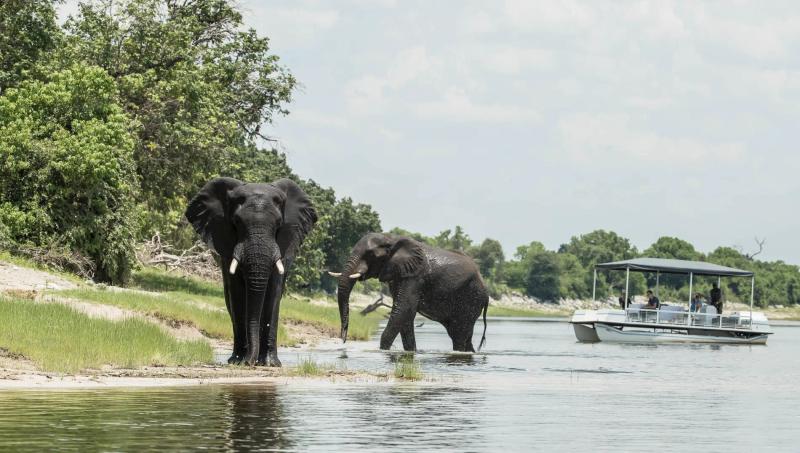
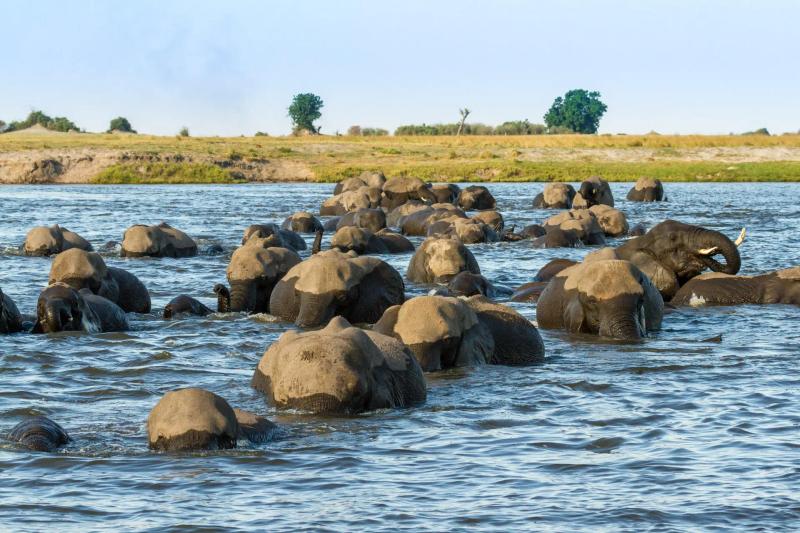
    Wildlife viewing is excellent as animals are increasingly drawn to the shrinking water sources. Large herds of elephants and buffalo are common in Chobe and Linyanti, and predators are active.

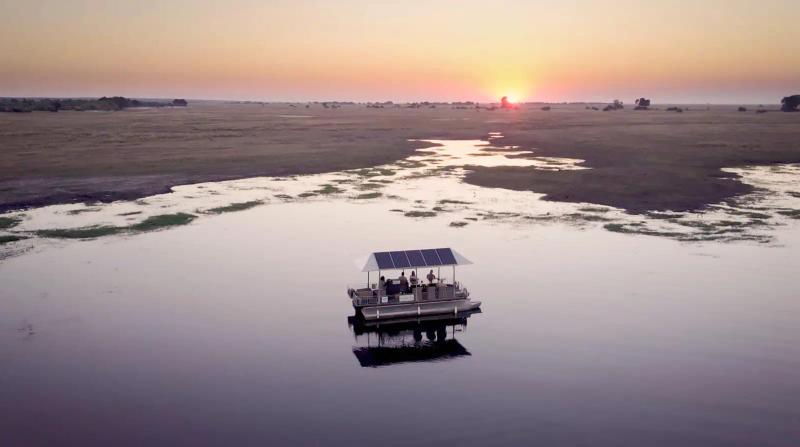
    We find June to be an ideal month for traditional game drives and water-based activities in the Delta, as the conditions are perfect and wildlife is abundant.

    Okavango Delta
    Moremi Game Reserve
    Chobe National Park
    +1

    July

    high

    Dry Season

    July is characterized by dry, sunny, and pleasant weather. Days are warm, and nights are cool, offering perfect conditions for spending long hours on safari.

    This is prime game viewing. Wildlife concentrations around waterholes are at their peak, making for consistent and spectacular sightings, especially of large herds and their predators.

    We consider July one of the best months for a classic Botswana safari, particularly for those focused on big game and predator action in the Delta and Chobe.

    Okavango Delta
    Moremi Game Reserve
    Chobe National Park
    +1

    August

    peak

    Dry Season

    August is very dry and warm, with virtually no rain. The bush is sparse, offering excellent visibility. Mornings are cool, quickly warming up to pleasant daytime temperatures.

    Wildlife viewing remains phenomenal, with animals congregating at permanent water sources. Predator sightings are frequent as they stalk the concentrated herds. Elephant numbers in Chobe are immense.

    We recommend August for serious wildlife enthusiasts who prioritize intense game viewing and don't mind the higher prices and busier lodges.

    Okavango Delta
    Moremi Game Reserve
    Chobe National Park
    +1

    September

    peak

    Dry Season

    September is the hottest and driest month of the dry season, with temperatures soaring, especially in the afternoon. Water is extremely scarce, intensifying wildlife interactions.

    This is arguably the most dramatic month for wildlife viewing. Animals are desperate for water, leading to incredible predator-prey dynamics around the remaining waterholes. Elephant herds are colossal.

    We advise September for those seeking the raw, intense drama of the African bush, where every waterhole is a stage for survival.

    Okavango Delta
    Moremi Game Reserve
    Chobe National Park
    +1

    October

    high

    Shoulder Season

    October is incredibly hot and dry, often with the first pre-rain thunderstorms building in the afternoons, bringing a sense of anticipation. Humidity starts to rise.

    Wildlife remains concentrated around water, offering excellent viewing despite the heat. The first rains can trigger some animal movements, and migratory birds begin to return.

    We suggest October for experienced safari-goers who appreciate the intense wildlife action and don't mind the heat, often finding it a rewarding challenge.

    Okavango Delta
    Moremi Game Reserve
    Chobe National Park

    November

    moderate

    Green Season

    The first significant rains arrive, breaking the dry spell and transforming the parched landscape into a vibrant green. Days are warm and humid, with refreshing afternoon showers.

    This is the start of the calving season and the zebra migration to the Makgadikgadi and Nxai Pans. Birdlife explodes with the arrival of migratory species. Wildlife disperses with new water sources.

    We love November for witnessing the rebirth of the bush, the arrival of new life, and the spectacular zebra migration, offering a different kind of safari magic.

    Makgadikgadi Pans National Park
    Nxai Pan National Park
    Okavango Delta

    December

    low

    Green Season

    December is warm and humid, with regular afternoon thunderstorms that bring life to the bush. The air is fresh and clean after the rains, and the landscape is brilliantly green.

    Calving season is in full swing, providing excellent opportunities to see young animals and the predators that follow them. Birding is outstanding, with many species in breeding plumage.

    We recommend December for birding enthusiasts and those seeking a quieter, more intimate safari experience, enjoying the lush scenery and vibrant new life.

    Central Kalahari Game Reserve
    Nxai Pan National Park
    Okavango Delta

    January

    Now
    low

    Green Season

    January brings heavy rains, transforming the landscape into a lush, vibrant green. Days are warm and humid, with spectacular afternoon thunderstorms that clear to reveal crisp air.

    This is calving season, so we see many young animals, especially impala and wildebeest, which in turn attracts predators. Birding is exceptional with migratory species in full plumage.

    We love exploring the Central Kalahari Game Reserve this month, where the usually arid pans burst with life and offer incredible predator sightings.

    Central Kalahari Game Reserve
    Nxai Pan National Park
    Makgadikgadi Pans National Park

    February

    low

    Green Season

    Rains continue, often in short, intense bursts, leaving the air fresh and the vegetation dense. Temperatures remain warm, making for comfortable safari conditions between showers.

    Predators are active, taking advantage of the abundant young prey. The zebra migration is often still in full swing across the Makgadikgadi and Nxai Pans, a truly magnificent sight.

    We recommend focusing on the Kalahari parks to witness the zebra migration and the incredible interactions between predators and their vulnerable young.

    Nxai Pan National Park
    Makgadikgadi Pans National Park
    Central Kalahari Game Reserve

    March

    low

    Green Season

    The rains begin to lessen towards the end of March, but the landscape remains wonderfully green and vibrant. Days are warm, and the air is often clear after the last of the seasonal downpours.

    With water still widely available, wildlife is dispersed, offering a more intimate viewing experience. Birdlife remains phenomenal, and the Okavango Delta's water levels start to rise.

    We find March perfect for photography, with dramatic skies and lush backdrops, especially in the southern Okavango Delta as it begins to fill.

    Okavango Delta
    Moremi Game Reserve
    Chobe National Park

    April

    moderate

    Shoulder Season

    April marks a beautiful transition as the rains largely cease, and the bush slowly begins to dry out. Days are warm and sunny, with cooler evenings, making for very pleasant weather.

    Water levels in the Okavango Delta are noticeably rising, attracting more animals to its fringes. Game viewing improves as the vegetation thins, and migratory birds prepare to depart.

    We love April for its excellent value and the chance to experience both the lushness of the green season and the beginnings of the dry season's concentrated wildlife.

    Okavango Delta
    Moremi Game Reserve
    Chobe National Park

    May

    moderate

    Shoulder Season

    The dry season is firmly setting in, with clear, sunny days and comfortably warm temperatures. Nights become noticeably cooler, requiring an extra layer for early morning game drives.

    The Okavango Delta is now at its highest water levels, creating stunning waterways for mokoro excursions. Wildlife starts to concentrate around permanent water sources, improving sightings.

    We recommend May for those seeking the magic of the Delta's floodwaters without the peak season crowds, offering superb game viewing and beautiful scenery.

    Okavango Delta
    Moremi Game Reserve
    Linyanti Concession

    June

    high

    Dry Season

    June brings classic dry season weather: clear, sunny days, virtually no rain, and mild temperatures. Mornings and evenings are cool, sometimes chilly, perfect for safari activities.

    Wildlife viewing is excellent as animals are increasingly drawn to the shrinking water sources. Large herds of elephants and buffalo are common in Chobe and Linyanti, and predators are active.

    We find June to be an ideal month for traditional game drives and water-based activities in the Delta, as the conditions are perfect and wildlife is abundant.

    Okavango Delta
    Moremi Game Reserve
    Chobe National Park
    +1

    July

    high

    Dry Season

    July is characterized by dry, sunny, and pleasant weather. Days are warm, and nights are cool, offering perfect conditions for spending long hours on safari.

    This is prime game viewing. Wildlife concentrations around waterholes are at their peak, making for consistent and spectacular sightings, especially of large herds and their predators.

    We consider July one of the best months for a classic Botswana safari, particularly for those focused on big game and predator action in the Delta and Chobe.

    Okavango Delta
    Moremi Game Reserve
    Chobe National Park
    +1

    August

    peak

    Dry Season

    August is very dry and warm, with virtually no rain. The bush is sparse, offering excellent visibility. Mornings are cool, quickly warming up to pleasant daytime temperatures.

    Wildlife viewing remains phenomenal, with animals congregating at permanent water sources. Predator sightings are frequent as they stalk the concentrated herds. Elephant numbers in Chobe are immense.

    We recommend August for serious wildlife enthusiasts who prioritize intense game viewing and don't mind the higher prices and busier lodges.

    Okavango Delta
    Moremi Game Reserve
    Chobe National Park
    +1

    September

    peak

    Dry Season

    September is the hottest and driest month of the dry season, with temperatures soaring, especially in the afternoon. Water is extremely scarce, intensifying wildlife interactions.

    This is arguably the most dramatic month for wildlife viewing. Animals are desperate for water, leading to incredible predator-prey dynamics around the remaining waterholes. Elephant herds are colossal.

    We advise September for those seeking the raw, intense drama of the African bush, where every waterhole is a stage for survival.

    Okavango Delta
    Moremi Game Reserve
    Chobe National Park
    +1

    October

    high

    Shoulder Season

    October is incredibly hot and dry, often with the first pre-rain thunderstorms building in the afternoons, bringing a sense of anticipation. Humidity starts to rise.

    Wildlife remains concentrated around water, offering excellent viewing despite the heat. The first rains can trigger some animal movements, and migratory birds begin to return.

    We suggest October for experienced safari-goers who appreciate the intense wildlife action and don't mind the heat, often finding it a rewarding challenge.

    Okavango Delta
    Moremi Game Reserve
    Chobe National Park

    November

    moderate

    Green Season

    The first significant rains arrive, breaking the dry spell and transforming the parched landscape into a vibrant green. Days are warm and humid, with refreshing afternoon showers.

    This is the start of the calving season and the zebra migration to the Makgadikgadi and Nxai Pans. Birdlife explodes with the arrival of migratory species. Wildlife disperses with new water sources.

    We love November for witnessing the rebirth of the bush, the arrival of new life, and the spectacular zebra migration, offering a different kind of safari magic.

    Makgadikgadi Pans National Park
    Nxai Pan National Park
    Okavango Delta

    December

    low

    Green Season

    December is warm and humid, with regular afternoon thunderstorms that bring life to the bush. The air is fresh and clean after the rains, and the landscape is brilliantly green.

    Calving season is in full swing, providing excellent opportunities to see young animals and the predators that follow them. Birding is outstanding, with many species in breeding plumage.

    We recommend December for birding enthusiasts and those seeking a quieter, more intimate safari experience, enjoying the lush scenery and vibrant new life.

    Central Kalahari Game Reserve
    Nxai Pan National Park
    Okavango Delta

    January

    Now
    low

    Green Season

    January brings heavy rains, transforming the landscape into a lush, vibrant green. Days are warm and humid, with spectacular afternoon thunderstorms that clear to reveal crisp air.

    This is calving season, so we see many young animals, especially impala and wildebeest, which in turn attracts predators. Birding is exceptional with migratory species in full plumage.

    We love exploring the Central Kalahari Game Reserve this month, where the usually arid pans burst with life and offer incredible predator sightings.

    Central Kalahari Game Reserve
    Nxai Pan National Park
    Makgadikgadi Pans National Park

    February

    low

    Green Season

    Rains continue, often in short, intense bursts, leaving the air fresh and the vegetation dense. Temperatures remain warm, making for comfortable safari conditions between showers.

    Predators are active, taking advantage of the abundant young prey. The zebra migration is often still in full swing across the Makgadikgadi and Nxai Pans, a truly magnificent sight.

    We recommend focusing on the Kalahari parks to witness the zebra migration and the incredible interactions between predators and their vulnerable young.

    Nxai Pan National Park
    Makgadikgadi Pans National Park
    Central Kalahari Game Reserve

    March

    low

    Green Season

    The rains begin to lessen towards the end of March, but the landscape remains wonderfully green and vibrant. Days are warm, and the air is often clear after the last of the seasonal downpours.

    With water still widely available, wildlife is dispersed, offering a more intimate viewing experience. Birdlife remains phenomenal, and the Okavango Delta's water levels start to rise.

    We find March perfect for photography, with dramatic skies and lush backdrops, especially in the southern Okavango Delta as it begins to fill.

    Okavango Delta
    Moremi Game Reserve
    Chobe National Park

    April

    moderate

    Shoulder Season

    April marks a beautiful transition as the rains largely cease, and the bush slowly begins to dry out. Days are warm and sunny, with cooler evenings, making for very pleasant weather.

    Water levels in the Okavango Delta are noticeably rising, attracting more animals to its fringes. Game viewing improves as the vegetation thins, and migratory birds prepare to depart.

    We love April for its excellent value and the chance to experience both the lushness of the green season and the beginnings of the dry season's concentrated wildlife.

    Okavango Delta
    Moremi Game Reserve
    Chobe National Park

    May

    moderate

    Shoulder Season

    The dry season is firmly setting in, with clear, sunny days and comfortably warm temperatures. Nights become noticeably cooler, requiring an extra layer for early morning game drives.

    The Okavango Delta is now at its highest water levels, creating stunning waterways for mokoro excursions. Wildlife starts to concentrate around permanent water sources, improving sightings.

    We recommend May for those seeking the magic of the Delta's floodwaters without the peak season crowds, offering superb game viewing and beautiful scenery.

    Okavango Delta
    Moremi Game Reserve
    Linyanti Concession

    June

    high

    Dry Season

    June brings classic dry season weather: clear, sunny days, virtually no rain, and mild temperatures. Mornings and evenings are cool, sometimes chilly, perfect for safari activities.

    Wildlife viewing is excellent as animals are increasingly drawn to the shrinking water sources. Large herds of elephants and buffalo are common in Chobe and Linyanti, and predators are active.

    We find June to be an ideal month for traditional game drives and water-based activities in the Delta, as the conditions are perfect and wildlife is abundant.

    Okavango Delta
    Moremi Game Reserve
    Chobe National Park
    +1

    July

    high

    Dry Season

    July is characterized by dry, sunny, and pleasant weather. Days are warm, and nights are cool, offering perfect conditions for spending long hours on safari.

    This is prime game viewing. Wildlife concentrations around waterholes are at their peak, making for consistent and spectacular sightings, especially of large herds and their predators.

    We consider July one of the best months for a classic Botswana safari, particularly for those focused on big game and predator action in the Delta and Chobe.

    Okavango Delta
    Moremi Game Reserve
    Chobe National Park
    +1

    August

    peak

    Dry Season

    August is very dry and warm, with virtually no rain. The bush is sparse, offering excellent visibility. Mornings are cool, quickly warming up to pleasant daytime temperatures.

    Wildlife viewing remains phenomenal, with animals congregating at permanent water sources. Predator sightings are frequent as they stalk the concentrated herds. Elephant numbers in Chobe are immense.

    We recommend August for serious wildlife enthusiasts who prioritize intense game viewing and don't mind the higher prices and busier lodges.

    Okavango Delta
    Moremi Game Reserve
    Chobe National Park
    +1

    September

    peak

    Dry Season

    September is the hottest and driest month of the dry season, with temperatures soaring, especially in the afternoon. Water is extremely scarce, intensifying wildlife interactions.

    This is arguably the most dramatic month for wildlife viewing. Animals are desperate for water, leading to incredible predator-prey dynamics around the remaining waterholes. Elephant herds are colossal.

    We advise September for those seeking the raw, intense drama of the African bush, where every waterhole is a stage for survival.

    Okavango Delta
    Moremi Game Reserve
    Chobe National Park
    +1

    October

    high

    Shoulder Season

    October is incredibly hot and dry, often with the first pre-rain thunderstorms building in the afternoons, bringing a sense of anticipation. Humidity starts to rise.

    Wildlife remains concentrated around water, offering excellent viewing despite the heat. The first rains can trigger some animal movements, and migratory birds begin to return.

    We suggest October for experienced safari-goers who appreciate the intense wildlife action and don't mind the heat, often finding it a rewarding challenge.

    Okavango Delta
    Moremi Game Reserve
    Chobe National Park

    November

    moderate

    Green Season

    The first significant rains arrive, breaking the dry spell and transforming the parched landscape into a vibrant green. Days are warm and humid, with refreshing afternoon showers.

    This is the start of the calving season and the zebra migration to the Makgadikgadi and Nxai Pans. Birdlife explodes with the arrival of migratory species. Wildlife disperses with new water sources.

    We love November for witnessing the rebirth of the bush, the arrival of new life, and the spectacular zebra migration, offering a different kind of safari magic.

    Makgadikgadi Pans National Park
    Nxai Pan National Park
    Okavango Delta

    December

    low

    Green Season

    December is warm and humid, with regular afternoon thunderstorms that bring life to the bush. The air is fresh and clean after the rains, and the landscape is brilliantly green.

    Calving season is in full swing, providing excellent opportunities to see young animals and the predators that follow them. Birding is outstanding, with many species in breeding plumage.

    We recommend December for birding enthusiasts and those seeking a quieter, more intimate safari experience, enjoying the lush scenery and vibrant new life.

    Central Kalahari Game Reserve
    Nxai Pan National Park
    Okavango Delta

    219 species recorded in Botswana21 threatened

    Book Safari Experiences in Botswana

    Game drives, guided tours, and unique experiences in Botswana

    More details

    Visa Requirements for Botswana

    Check if you need a visa to visit Botswana

    Health & Vaccinations for Botswana

    Loading health information for Botswana...

    Botswana offers an unparalleled safari experience, and we find it to be one of the safest destinations in Africa for discerning travellers. By taking sensible health precautions and adhering to the expert advice of your guides, you are set for an unforgettable and secure journey. We believe careful preparation allows you to fully immerse yourself in the magic of the Delta.

    Vaccinations

    Routine Vaccinations - We strongly recommend ensuring your routine vaccinations-like Tetanus, Diphtheria, Polio, and MMR-are up-to-date.
    Hepatitis A & Typhoid - We advise Hepatitis A and Typhoid for most travellers.
    Yellow Fever - If you are arriving from a country with a risk of Yellow Fever transmission, a Yellow Fever vaccination certificate is required. Otherwise, it is not typically needed.
    Rabies & Hepatitis B - For those planning extended stays, working closely with animals, or engaging in high-risk activities, we suggest discussing Rabies and Hepatitis B with your travel doctor.

    Visa Requirements

    For many of our readers from the US, UK, EU, Canada, and Australia, we are pleased to report that a visa is not required for tourist stays of up to 90 days. We always recommend checking the latest requirements with the Botswanan embassy or consulate in your home country before you travel, as policies can change.

    Malaria

    Botswana is a malaria risk country, particularly in the northern safari areas like the Okavango Delta, Chobe, and Moremi, especially during and after the rainy season (November to April). We always take prophylaxis when visiting these regions and strongly recommend you do too. Beyond medication, we advise diligent use of insect repellent with DEET, wearing long sleeves and trousers at dusk and dawn, and sleeping under mosquito nets where provided. The risk is lower in the drier southern parts of the country, but vigilance is still key.

    Travel Insurance

    We cannot stress enough the importance of comprehensive travel insurance for any safari, but especially for Botswana. Given the remote nature of many of the camps, we insist on coverage that includes emergency medical evacuation, preferably by air. Standard medical emergencies, trip cancellation, and lost luggage cover are also non-negotiable. Ensure your policy specifically covers safari activities and any adventure sports you might undertake. It is an investment in your peace of mind.

    Emergency Numbers

    police: 999
    ambulance: 112

    Travel Advisory

    We have always found Botswana to be an exceptionally safe country for safari travellers. The low-volume, high-value tourism model means you are often in well-managed, secure concessions. Petty crime can occur in urban centers like Gaborone or Maun, just as in any city globally, so we advise exercising standard caution with valuables there. In the wilderness, the primary 'danger' comes from the wildlife itself-which is why we emphasize listening to your experienced guides at all times. They know these animals intimately, and their instructions are paramount for your safety. Road conditions can be challenging, particularly outside main routes, and wildlife on roads is a common hazard, especially at night.

    Planning & reference

    Other Safari Countries in Southern Africa