
Tanzania safari regions
Central Tanzania's Hidden Gems
Venture off the beaten path to discover rugged, less-explored wilderness areas offering unique safari experiences in Tanzania's heartland.
Coastal & Zanzibar Escapes
Combine thrilling wildlife encounters with pristine beaches and rich cultural history along Tanzania's Indian Ocean coast and spice islands.
Northern Tanzania Safari Circuit
Home to the Great Migration, the Northern Circuit offers iconic wildlife experiences across vast plains, volcanic craters, and diverse landscapes.
Southern Tanzania Wilderness
Experience vast, untamed wilderness and incredible biodiversity, from the mighty Ruaha and Nyerere National Parks to the unique Udzungwa Mountains.
Western Tanzania & Lake Victoria
Explore remote chimpanzee habitats along Lake Tanganyika and discover unique island and lakeside safaris in Tanzania's wild west.
Best time to visit Tanzania
When considering a safari to Tanzania, we find the timing significantly impacts the experience. For witnessing the Great Migration's calving season, we strongly recommend January and February in the...
What a Tanzania safari costs
- Lodges: from $105pp/night up to $2,865, across 26 priced lodges
- Add park fees, flights and transfers; most safaris are sold as packages that include them.
Top safari lodges in Tanzania
Selous River Camp
Selous Game Reserve
Selous Kinga Lodge
Selous Game Reserve
Naona Moru Tented Camp
Maswa Game Reserve
Africa Safari Glamping (Main Gate)
Manyara Ranch
Highview Coffee Lodge
Lake Manyara National Park
Nyikani Camp - Central Serengeti
Serengeti National Park
Wildlife in Tanzania
316 species recorded in Tanzania30 threatened
Bookable safari packages
Curated safari packages featuring Tanzania, bookable through Safari.com. Prices are guide rates; our partner finalises the itinerary.
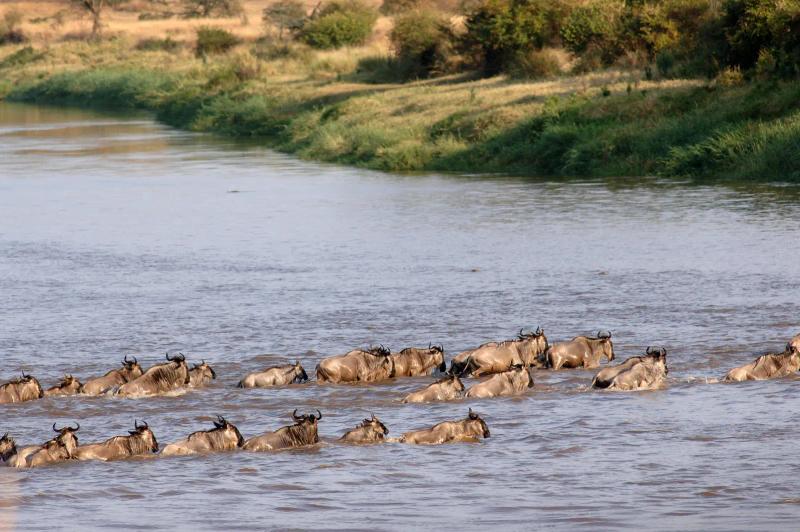
6 Day Great Migration Safari - Natures Most Spectacular Show
Watch thousands of wildebeests and zebras crossing the grassland savannah is an experience to behold and surely one of Africa’s natural wonders.
- 1 night at Sangaiwe Tented Lodge exploring Tarangire's baobab-dotted savannah
- 3 nights at Kati Kati Tented Camp, positioned seasonally to track the herds
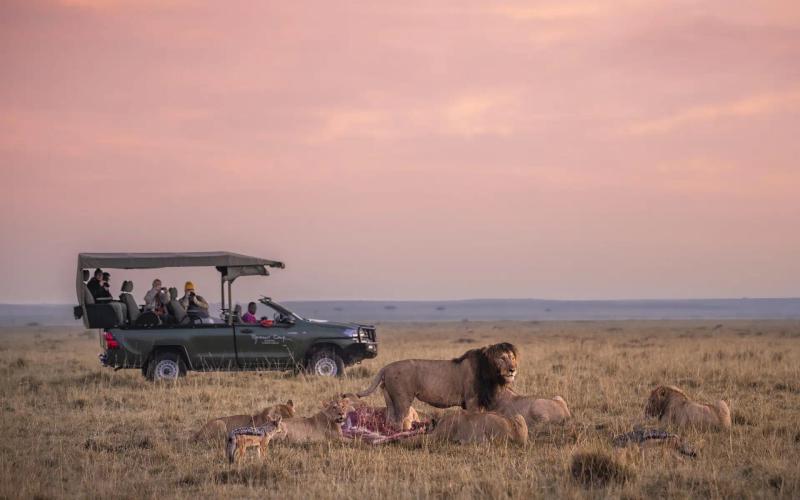
7-Day All-Inclusive Masai Mara to Zanzibar Safari
This 7-day bush and beach safari delivers an unforgettable journey, blending the wild, open plains of the Masai Mara with the serene, turquoise waters of the Indian Ocean in Zanzibar. Guests will experience the freedom of the vast savannahs and the tranquil beauty of sandy beaches, creating a perfect contrast between adventure and relaxation.
- 3 nights at Governors' Camp on the Masai Mara, then 3 at Nungwi Dreams in Zanzibar
- Twice-daily game drives and guided bush walks in the Masai Mara
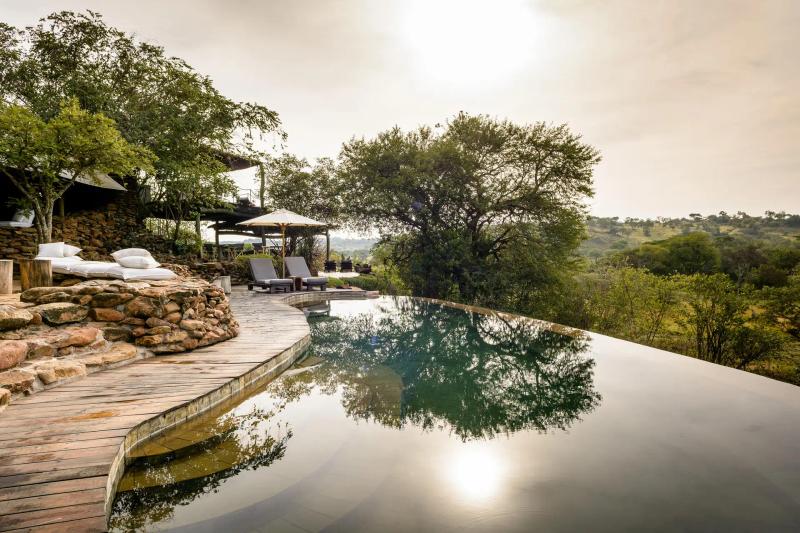
3-Day Singita Faru Faru Luxury Fly-In Safari
Singita Faru Faru Lodge offers a luxurious and immersive safari experience in the heart of the African wilderness. The lodge is renowned for its contemporary design that harmoniously blends with its serene natural surroundings.
- 2 nights at Singita Faru Faru Lodge in the Grumeti Game Reserve
- Twice-daily open-vehicle game drives across the Grumeti plains
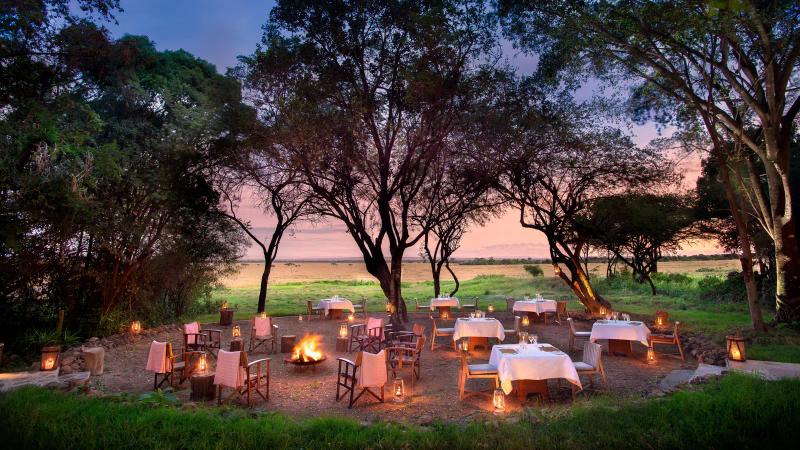
9 Day Masai Mara, Serengeti & Manyara Safari
Explore some of Africa's best game parks on this 10-day safari through Kenya and Tanzania. Set out on an adventure combined with 5-star luxury lodges, and enjoy game drives, fine dining, and five-star service — and keep watch for the "Big Five.
- 1 night at Hemingways Nairobi on arrival
- 2 nights at andBeyond Bateleur Camp in the Masai Mara tracking the Big Five
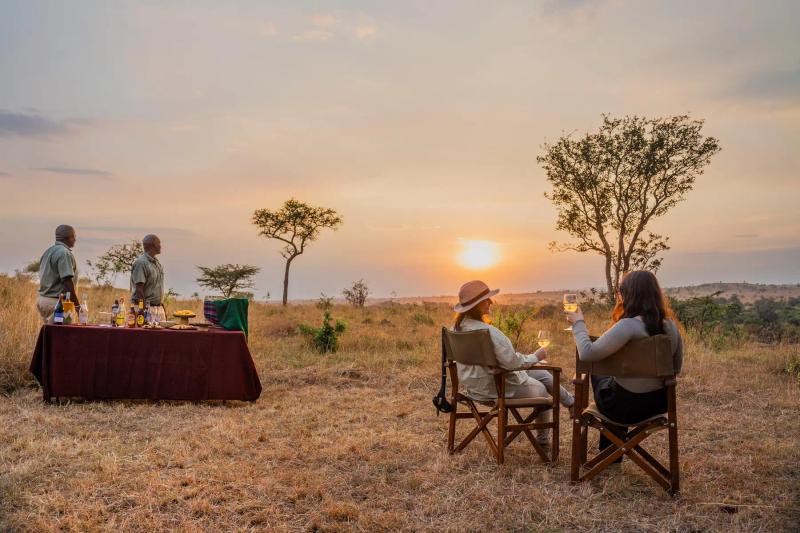
10-Day Best of East Africa Migration Safari
Your adventure starts in Nairobi, showcasing modern Kenyan style, before heading to the Masai Mara to see the Big Five, Mara Cats, and the Great Migration (July-November). Stay at Kichwa Tembo Tented Camp for a classic safari experience. Next, travel to the Serengeti, spending two days at a mobile camp with prime views of the migration. Visit Ngorongoro Crater, a wildlife haven, and stay two nights at Melia Ngorongoro with stunning views. End your trip at Lake Manyara National Park, known for tree-climbing lions and flamingos, staying at the Lake Manyara Tree Lodge. A perfect mix of unique stays and incredible wildlife.
- 2 nights at Karen Blixen Cottages with visits to David Sheldrick Trust and Giraffe Centre
- 2 nights at Kichwa Tembo in the Masai Mara for Big Five game drives
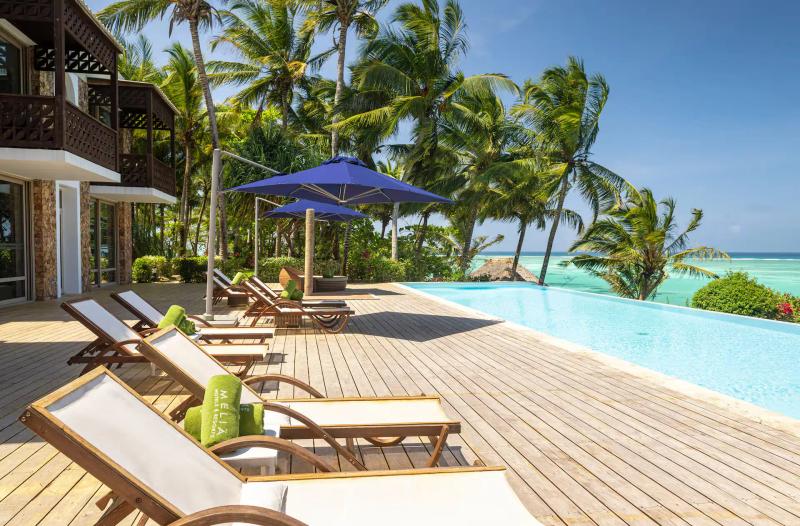
7-Day West and East Ultra-Lux Zanzibar Fly-in Package
This 7-day West and East safari will guide guests through the iconic beaches of Zanzibar. Begin with breathtaking views of the Indian Ocean from Sea Cliff Resort and Spa, then indulge in extensive luxury and exquisite services at The Melia Zanzibar. Immerse yourself in the authentic Zanzibar experience with a captivating city, spice, and Prison Island tour.
- 3 nights at Sea Cliff Resort & Spa with Indian Ocean views
- Stone Town, spice plantation and Prison Island tour
Bookings are handled by Safari.com. SafariPlnr earns a commission on confirmed bookings, at no extra cost to you.
Book Safari Experiences in Tanzania
Game drives, guided tours, and unique experiences in Tanzania
Visa, health & safety in Tanzania
Visa Requirements for Tanzania
Check if you need a visa to visit Tanzania
Health & Vaccinations for Tanzania
Loading health information for Tanzania...
Travelling safely in Tanzania means being prepared and respectful of both its people and its incredible wildlife. We recommend thorough health precautions and a vigilant approach to personal safety, especially in urban areas. Trust your safari operator and guides implicitly; their expertise is your best asset for a secure and unforgettable adventure.
Vaccinations
Visa Requirements
Most nationalities, including those from the US, UK, EU, and Australia, will need a visa to enter Tanzania. We find the easiest way is to apply online in advance through the official e-visa portal, though you can also obtain one on arrival at major entry points like Kilimanjaro International Airport (JRO) or Dar es Salaam's Julius Nyerere International Airport (DAR). Always check the latest requirements for your specific nationality before you travel.
Malaria
Malaria is a significant risk across most of Tanzania, particularly in the low-lying areas, coastal regions, and within popular safari destinations like the Serengeti and Ngorongoro Crater. The higher altitudes of Mount Kilimanjaro are generally lower risk, but it's not entirely absent. We cannot stress enough the importance of consulting your doctor about appropriate anti-malarial prophylaxis. Beyond medication, we always use strong insect repellent containing DEET, wear long sleeves and trousers at dusk and dawn, and ensure our mosquito nets are properly tucked in at night. The peace of mind is invaluable.
Travel Insurance
Comprehensive travel insurance is non-negotiable for a Tanzanian safari. We always ensure our policy includes robust medical coverage, emergency medical evacuation, and coverage for trip cancellations or interruptions. Given the remote nature of many safari camps, air evacuation can be incredibly expensive without proper coverage. Don't skimp on this; it's your safety net in a truly wild landscape.
Emergency Numbers
Travel Advisory
Tanzania is, by and large, a safe country for tourists, and we've always felt secure on our travels there. However, like any popular destination, petty crime, such as pickpocketing and bag snatching, can occur, especially in bustling city centers like Dar es Salaam and Arusha. We recommend exercising standard caution: avoid displaying valuables, use hotel safes, and don't walk alone at night in unfamiliar areas. On safari, the primary 'danger' comes from the wildlife itself-always listen intently to your guides; they are experts in animal behavior and your safety. Road conditions can be challenging, so we strongly advise against self-driving and instead rely on reputable safari operators with experienced drivers. The political climate is generally stable, but it's always wise to stay informed of current events.
Tanzania safari FAQs
Planning tools for Tanzania
Best time to visit Tanzania
Month-by-month conditions
Tanzania safari cost
Lodge prices & budget guide
Luxury safari lodges in Tanzania
Top-rated camps & lodges
Malaria-free parks in Tanzania
Low-risk destinations
Family safari parks in Tanzania
Child-friendly parks & lodges
Quiet parks in Tanzania
Off-the-beaten-track safari