South Luangwa: Home of the Walking Safari
Published 26 July 2026
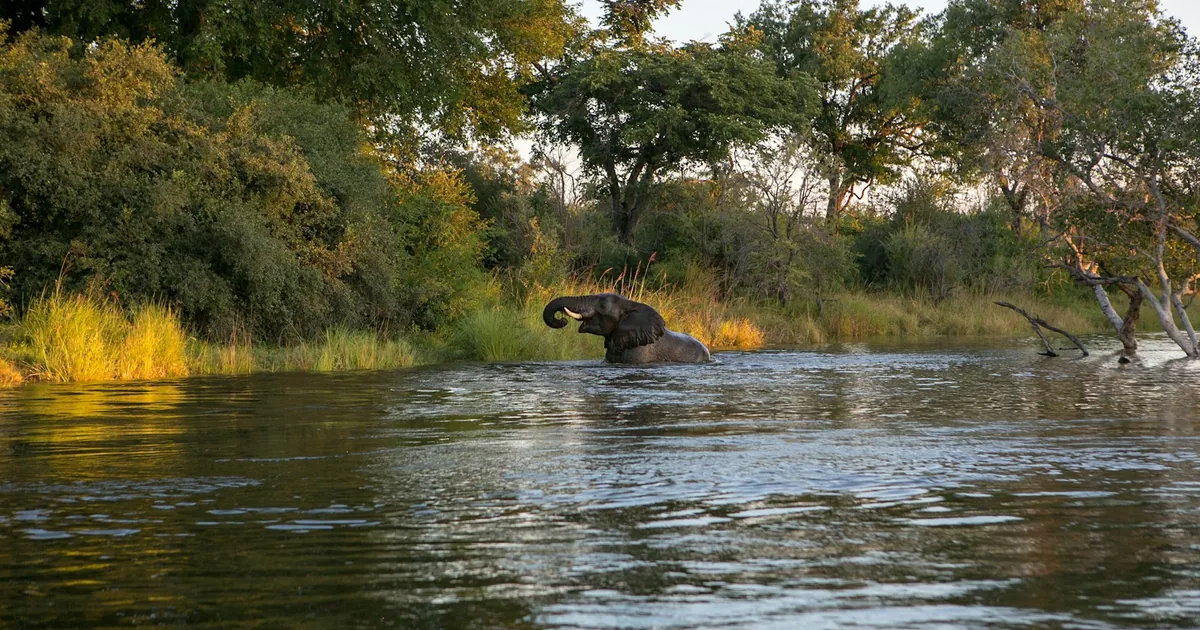
The Walking Safari's Home
The walking safari was invented in Zambia, and specifically in what is now South Luangwa National Park. Norman Carr, a wildlife officer and conservationist, led some of the first commercial walking safaris in the Luangwa Valley in the 1950s, establishing the principle - radical at the time - that wildlife could be observed on foot, that the relationship between guide and guest was one of teacher and student, and that genuine wildlife encounters required genuine exposure to the bush rather than insulation behind glass and metal.
More than six decades later, that tradition is not just preserved but celebrated. South Luangwa remains Africa's foremost walking safari destination, with more professional walking guide training and certification per capita than any other park on the continent. The guides who operate here - many holding the Zambia Wildlife Authority walking guide licence, the most rigorous qualification in Africa - are regarded by operators across the continent as among the best in the business. Coming to South Luangwa and not doing a walking safari is like visiting the Masai Mara and not doing a game drive.
Why Walk Rather Than Drive?
The question deserves an honest answer, because walking safaris are not suitable for everyone and the experience is genuinely different from a game drive - not simply a slower version of the same thing. On foot, everything changes:
- Scale becomes real. An elephant seen from a game vehicle is large and impressive. An elephant encountered at 40 metres on foot is an entirely different proposition - its size, its sound, its smell, its presence register at a visceral level that no vehicle-based safari can replicate.
- Details emerge. Tracks and spoor, insect life, plant ecology, bird behaviour, dung beetles, spider webs strung between grass stems at dawn - these are all invisible from a moving vehicle. The guide reads the landscape constantly, turning a morning walk into a continuous lesson in ecology.
- The pace is human. Walking forces slowness and patience. You stop frequently. You listen. The quality of attention is different from a game drive, less focused on the next sighting and more on what is happening around you right now.
- There is genuine exposure. Walking with lions, hippos, or elephants nearby - even at safe distances managed by an expert guide - creates a level of alertness that puts you clearly inside the ecosystem rather than observing it from outside.
Walking safaris are not the right choice for those with significant mobility limitations, those unable to maintain a pace of 3-5 km over several hours of uneven ground, or young children. Most operators set a minimum age of 12-16 for walking safaris. But for fit, curious adults who want the most immersive wildlife experience Africa offers, a South Luangwa walking safari is essentially unmatched. Our guide to walking safari vs game drive covers the full comparison in detail.
The Luangwa Valley: Ecosystem and Wildlife
South Luangwa National Park covers approximately 9,050 square kilometres of the Luangwa River valley in eastern Zambia. The Luangwa River - the park's defining geographical feature - cuts through the valley floor, creating a ribbon of dense riverine forest (ebony trees, sausage trees, fig trees, wild teak) flanked by open floodplains, termite mound-studded grasslands, and miombo woodland on the higher ground. It is a varied landscape that supports exceptional wildlife density.
The park is renowned for several things. Leopards are present in exceptionally high numbers relative to area, and South Luangwa is consistently ranked among Africa's top three leopard-viewing destinations - often alongside Sabi Sand in South Africa and the Masai Mara. The large predator suite also includes lions (several large prides with established territories along the river), spotted hyenas in big clans, wild dogs (present but erratic - South Luangwa has one of the more reliable wild dog populations in Africa but sightings are never guaranteed), and smaller predators including African civet, serval, and large-spotted genet.
Hippos are arguably the park's most abundant large mammal. The Luangwa River is one of the most hippo-dense rivers in Africa, with pools containing hundreds of animals and the characteristic honking chorus audible from virtually every camp. For detailed hippo biology and why the Luangwa is their ideal habitat, the hippopotamus facts guide covers everything from their unusual anatomy to their ecological role as river fertilisers.
Elephant herds are large and widespread throughout the park. The Luangwa Valley population has a strong presence of large-tusked bulls - increasingly rare across Africa as decades of poaching have selectively removed the biggest-tusked individuals. Zambia's elephant population has recovered substantially since the 1990s poaching crisis, and South Luangwa benefits from this recovery. Buffalo herds can number in the hundreds; giraffe (Thornicroft's giraffe, a subspecies found only in the Luangwa Valley and nowhere else on Earth) are present throughout; zebra, impala, puku, waterbuck, warthog, and reedbuck complete the abundant herbivore community that sustains the predator density.
Birding in South Luangwa is outstanding: over 400 species recorded, with the riparian forest and floodplain habitats supporting a very different community from the miombo woodland above. Carmine bee-eaters nest in the river banks in extraordinary colonies during the August-October period, painting the cliffs in crimson. Pel's fishing owl - one of Africa's most sought-after species - is reliably found in the camp areas along the river.
How Walking Safaris Work
Most camps in South Luangwa offer walking safaris as part of their activity programme alongside morning and evening game drives and optional night drives. The standard format is a morning walk, typically 2-4 hours, departing from camp at or before dawn. Maximum group size is usually 6-8 guests with two guides (the lead guide and an armed scout, typically a Zambia Wildlife Authority ranger). The armed scout is a legal requirement and carries a rifle as an emergency last resort; experienced guides use firearm discharge as an absolute final measure and will go to great lengths to avoid it through reading animal behaviour and positioning correctly.
The guide sets the pace, which is slow and frequently interrupted. You stop to examine tracks, listen to birds, observe insects, photograph vegetation details, or simply stand quietly when an animal is nearby. Communication is conducted in whispers and hand signals once the group is near wildlife. On a productive morning walk, you might cover 3-5 kilometres over 3 hours, stopping twenty or thirty times.
The encounter with wildlife on foot is managed through careful reading of animal behaviour. Hippos are the animal most commonly requiring a change of direction - a hippo out of water and on a path between you and the river requires giving very wide clearance. Elephants are assessed by wind direction and body language; at South Luangwa, elephants are generally habituated to pedestrian presence from the camp environment, but a cow with a young calf requires more caution. Leopards are cryptic enough that most encounters involve seeing one from a considerable distance before it melts away into the bush. Lions present the most complex calculus - lone lions or resting prides are generally manageable with appropriate distance; active hunting groups or lions guarding a kill require a guide with significant experience to navigate.
Best Time to Visit South Luangwa
South Luangwa operates on a strong seasonal schedule that affects both park access and the wildlife experience significantly.
Peak season (June-October): The dry season is when South Luangwa truly comes alive. Vegetation thins as the season progresses, water recedes to the river and permanent waterholes, and wildlife concentrates accordingly. The best game viewing - and the most productive walking - is typically August through October, when animals are at their most concentrated. The walking conditions are ideal: dry tracks, fallen leaf litter, clear sight lines. October becomes extremely hot (temperatures regularly exceed 40 degrees Celsius in the valley) but the wildlife density is at its annual maximum. Most of the park's premium camps are only open during this dry season period.
Green season (November-May): The rains transform the landscape into lush, dense green bush. Some camps operate year-round and the green season has enthusiastic advocates - birding is exceptional (Palaearctic and intra-African migrants arrive in November-December), calving season brings young animals, and the park is essentially devoid of other visitors. However, walking safaris are more limited in scope (vegetation reduces sight lines substantially), some roads become impassable, and the emphasis shifts toward drives in open vehicles. A small number of specialist operators offer flood-season photographic safaris that take advantage of the dramatic skies and light during this period.
Choosing a Camp
South Luangwa has camps ranging from basic bushcamps (open-sided structures, bucket showers, generator power) to some of Zambia's most acclaimed luxury lodges. The most celebrated camps are associated with operators who pioneered walking safari culture here: Bushcamp Company, Robin Pope Safaris, and Time + Tide are among the names most consistently cited for walking quality and guiding excellence.
A typical itinerary combines a larger "main camp" (more comfortable, with a wider range of activities) with one or more remote "bushcamps" - small, temporary structures in areas of the park away from the main roads, accessible only by walking or small vehicle. Spending two nights at a bushcamp, doing a full day of walking between the camps and spending the night in deep bush, is the defining South Luangwa experience.
Getting to South Luangwa: Mfuwe International Airport serves the park with direct connections from Lusaka (approximately 1 hour by air). Charter connections from Lusaka to smaller airstrips within the park are available for guests staying at remote camps. The road drive from Lusaka is approximately 8 hours on a good day - used by budget travellers but less common for visitors staying at the park's premium camps.
Combining South Luangwa with Other Zambia Destinations
Zambia's other major parks are often combined with South Luangwa on longer itineraries. Lower Zambezi National Park (on the Zambezi River opposite Zimbabwe's Mana Pools) offers excellent canoe safaris and walking, with very different riparian scenery. Kafue National Park - Zambia's largest park and one of Africa's biggest - is less visited but supports a superb predator community including large wild dog packs, lions, cheetahs, and the greatest diversity of antelope species in any single park in Africa. The combination of South Luangwa walking, Lower Zambezi canoeing, and either Victoria Falls (Zimbabwe side or Zambia's Livingstone) makes for one of Africa's most varied and adventurous safari circuits.