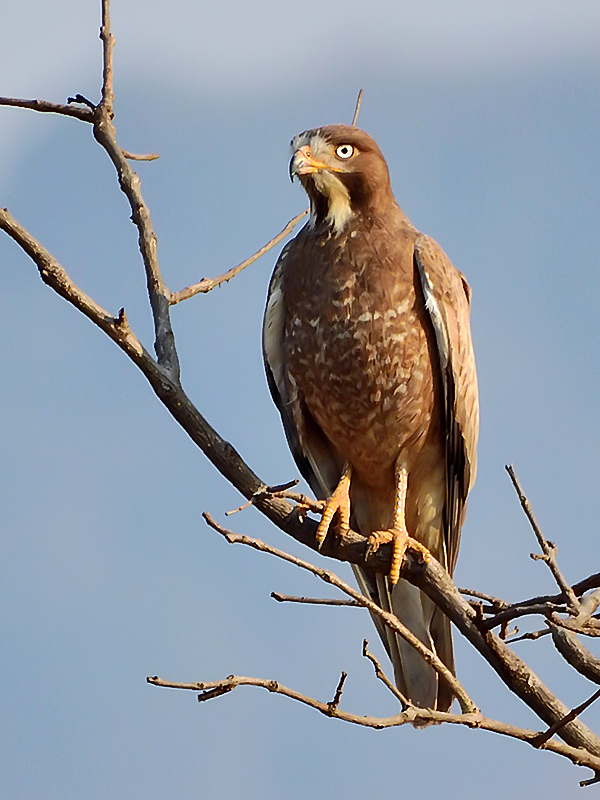
Where to see White-eyed Buzzard
The parks with the most verified sightings, out of 33 safari areas where it has been recorded.
- 1Bandhavgarh National ParkRareLodges
Central Indian Highlands, India · Rare
- 2Satpura National ParkRareLodges
Central Indian Highlands, India · Rare
- 3Tadoba Andhari National Park/Tiger ReserveRareLodges
Western Arid & Semi-Arid Lands, India · Rare
- 4Bandipur National ParkRareLodges
Western Ghats & Deccan Plateau, India · Rare
- 5Bannerghatta National ParkRareLodges
Western Ghats & Deccan Plateau, India · Rare
Common: 500+ verified sightings. Occasional: 50 to 499. Rare: under 50.
White-eyed Buzzard: FAQs
Where can you see White-eyed Buzzard on safari?
The parks with the most research-grade GBIF and iNaturalist records of White-eyed Buzzard are Bandhavgarh National Park, Satpura National Park and Tadoba Andhari National Park/Tiger Reserve. It is recorded in 33 safari areas in all.
Is the white-eyed buzzard endangered?
The IUCN Red List assesses the white-eyed buzzard as Least Concern.
Spotted something wrong? Suggest a correction
About the white-eyed buzzard
The white-eyed buzzard is a medium-sized hawk, distinct from the true buzzards in the genus Buteo, found in South Asia. Adults have a rufous tail, a distinctive white iris, and a white throat bearing a dark mesial stripe bordered. The head is brown and the median coverts of the upper wing are pale. They lack the typical carpal patches on the underside of the wings seen in true buzzards, but the entire wing lining appears dark in contrast to the flight feathers. They sit upright on perches for prolonged periods and soar on thermals in search of insect and small vertebrate prey. They are vociferous in the breeding season, and several birds may be heard calling as they soar together.
Adapted from Wikipedia, CC BY-SA 4.0.