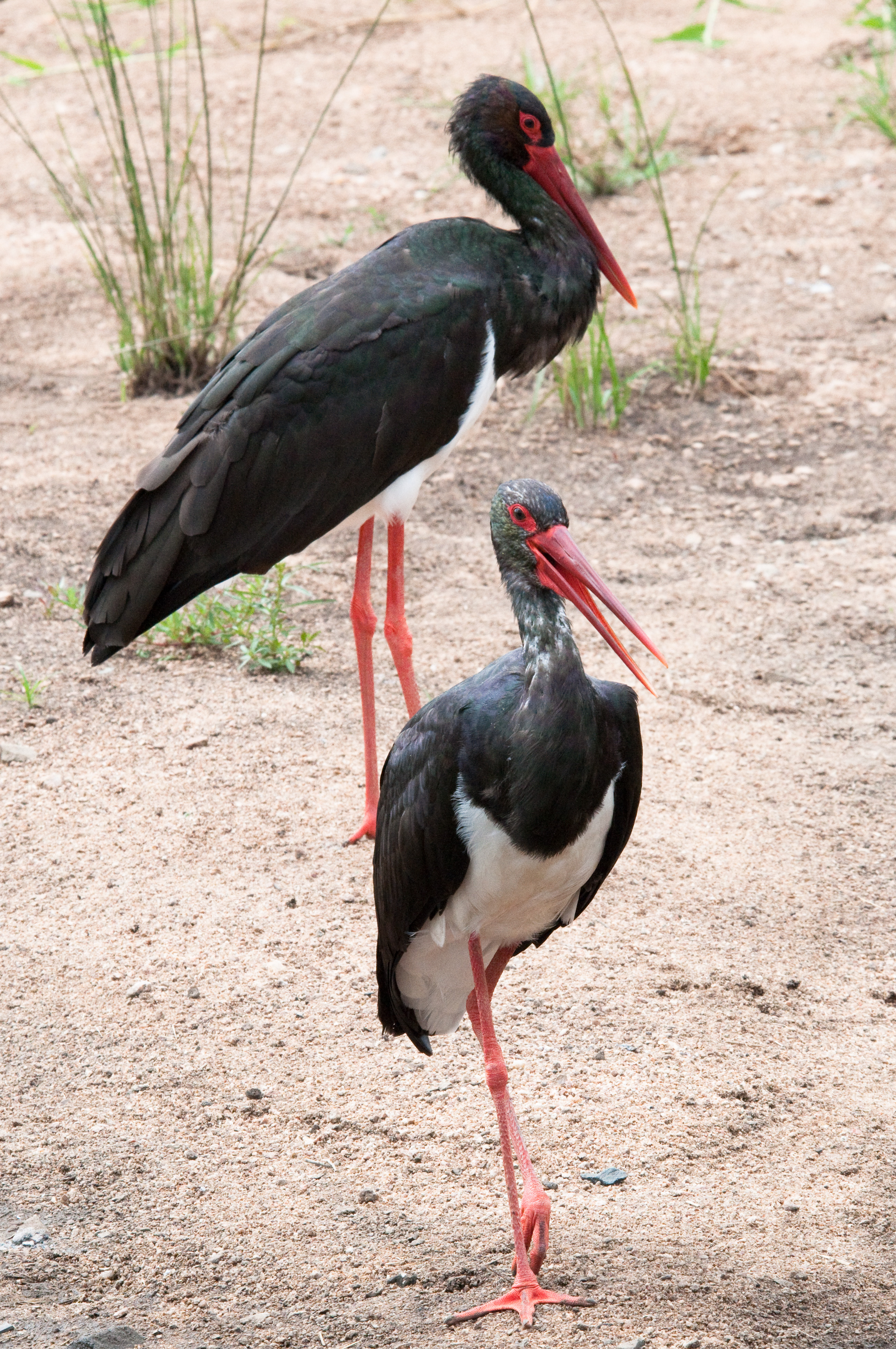
Where to see Black Stork
The parks with the most verified sightings, out of 81 safari areas where it has been recorded.
- 1Makgadikgadi Pans National ParkRareLodges
Makgadikgadi & Nxai Pans, Botswana · Rare
- 2NG/49 Phuduhudu Community ConcessionRareLodges
Makgadikgadi & Nxai Pans, Botswana · Rare
- 3Dachigam National ParkRareLodges
The Himalayan Heights, India · Rare
- 4Kalesar National ParkRareLodges
The Himalayan Heights, India · Rare
- 5Rajaji National Park/Tiger ReserveRareLodges
The Himalayan Heights, India · Rare
Common: 500+ verified sightings. Occasional: 50 to 499. Rare: under 50.
We may earn a commission when you book through our partners. It never changes your price or our rankings. How we make money
Conservation status
Faces a very high risk of extinction in the wild.
The black stork faces threats from habitat loss and degradation, particularly the destruction of its forest breeding grounds and wetlands. While conservation efforts are ongoing, including habitat protection and monitoring, the species remains endangered. Responsible safari tourism can help by supporting local conservation initiatives and raising awareness of the importance of protecting the black stork's fragile ecosystems.
Conservation hubBlack Stork: FAQs
Where can you see Black Stork on safari?
The parks with the most research-grade GBIF and iNaturalist records of Black Stork are Makgadikgadi Pans National Park, NG/49 Phuduhudu Community Concession and Dachigam National Park. It is recorded in 81 safari areas in all.
Is the black stork endangered?
The IUCN Red List assesses the black stork as Endangered.
Spotted something wrong? Suggest a correction
About the black stork
The black stork is a large bird in the stork family Ciconiidae. It was first described by Carl Linnaeus in the 10th edition of his Systema Naturae. Measuring on average 95 to 100 cm from beak tip to end of tail with a 145-to-155 cm (57-to-61 in) wingspan, the adult black stork has mainly black plumage, with white underparts, long red legs and a long pointed red beak. A widespread but uncommon species, it breeds in scattered locations across Europe, and east across the Palearctic to the Pacific Ocean. It is a long-distance migrant, with European populations wintering in tropical Sub-Saharan Africa, and Asian populations in the Indian subcontinent. When migrating between Europe and Africa, it avoids crossing broad expanses of the Mediterranean Sea and detours via the Levant in the east, the Strait of Sicily in the center, or the Strait of Gibraltar in the west. An isolated non-migratory population lives in Southern Africa.
Adapted from Wikipedia, CC BY-SA 4.0.