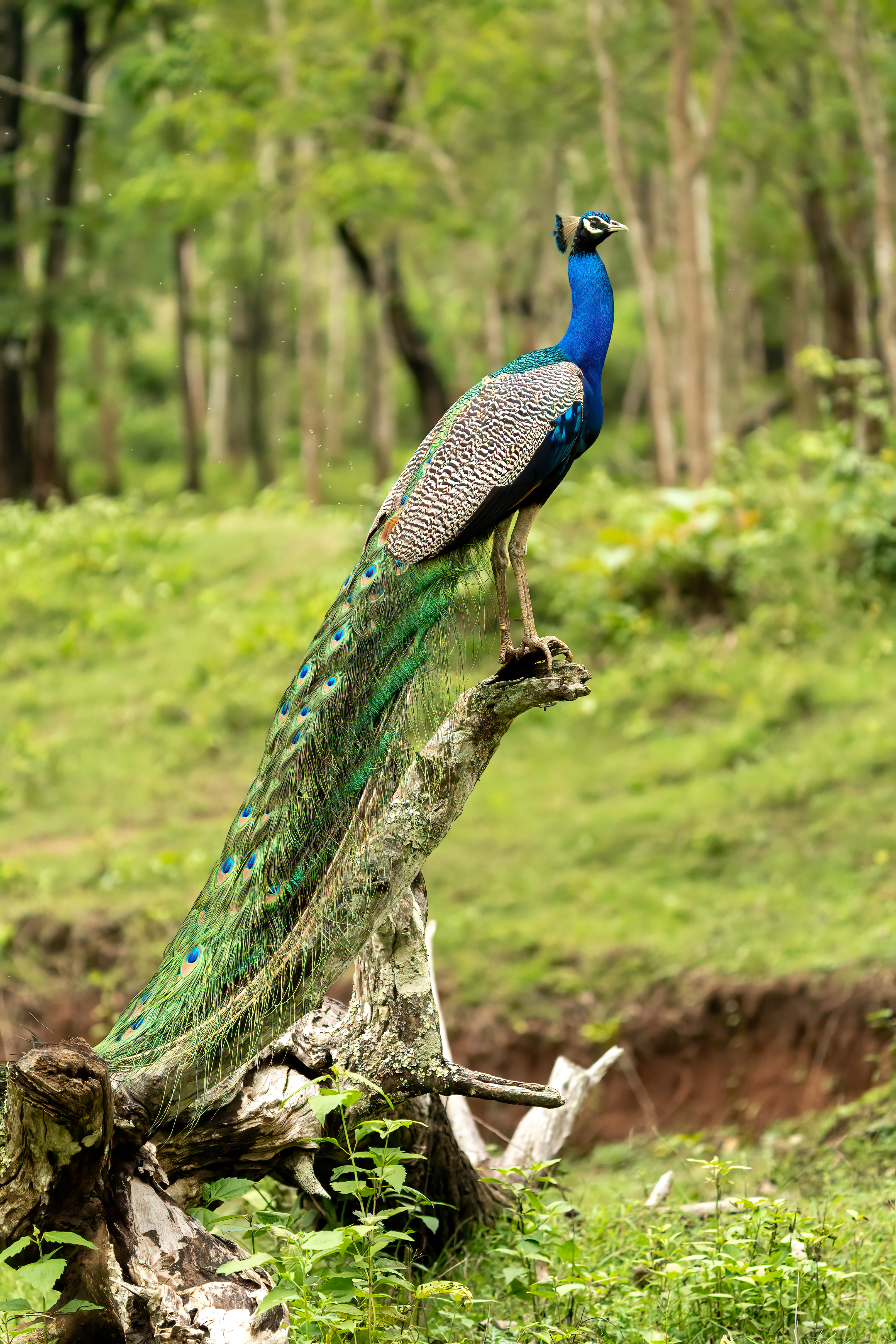
Where to see Indian Peafowl
The parks with the most verified sightings, out of 200+ safari areas where it has been recorded.
- 1Kanha NationalparkCommonLodges
Central Indian Highlands, India · Common
- 2Sultanpur National ParkCommonLodges
North Indian Plains & Deserts, India · Common
- 3Bannerghatta National ParkCommonLodges
Western Ghats & Deccan Plateau, India · Common
- 4Mrugavani National ParkCommonLodges
Central Indian Highlands, India · Common
- 5Kasu Brahmananda Reddy National ParkCommonLodges
Central Indian Highlands, India · Common
Common: 500+ verified sightings. Occasional: 50 to 499. Rare: under 50.
Indian Peafowl facts
Best months to spot
Most sightings recorded in Feb. Data from GBIF - a global database of verified wildlife observations by researchers and citizen scientists.
Indian Peafowl: FAQs
Where can you see Indian Peafowl on safari?
The parks with the most research-grade GBIF and iNaturalist records of Indian Peafowl are Kanha Nationalpark, Sultanpur National Park and Bannerghatta National Park. It is recorded in 200+ safari areas in all.
Is the indian peafowl endangered?
The IUCN Red List assesses the indian peafowl as Least Concern.
When is the best time to see Indian Peafowl?
Most sightings of Indian Peafowl are logged in Feb, going by the months of research-grade records; it can be seen year-round where it lives.
Spotted something wrong? Suggest a correction
About the indian peafowl
The Indian peafowl, also known as the common peafowl, or blue peafowl, is a species of peafowl native to the Indian subcontinent. While it originated in the Indian subcontinent, it has since been introduced to many other parts of the world. Male peafowl are referred to as peacocks, and female peafowl are referred to as peahens, although both sexes are often referred to colloquially as a "peacock".
Adapted from Wikipedia, CC BY-SA 4.0.