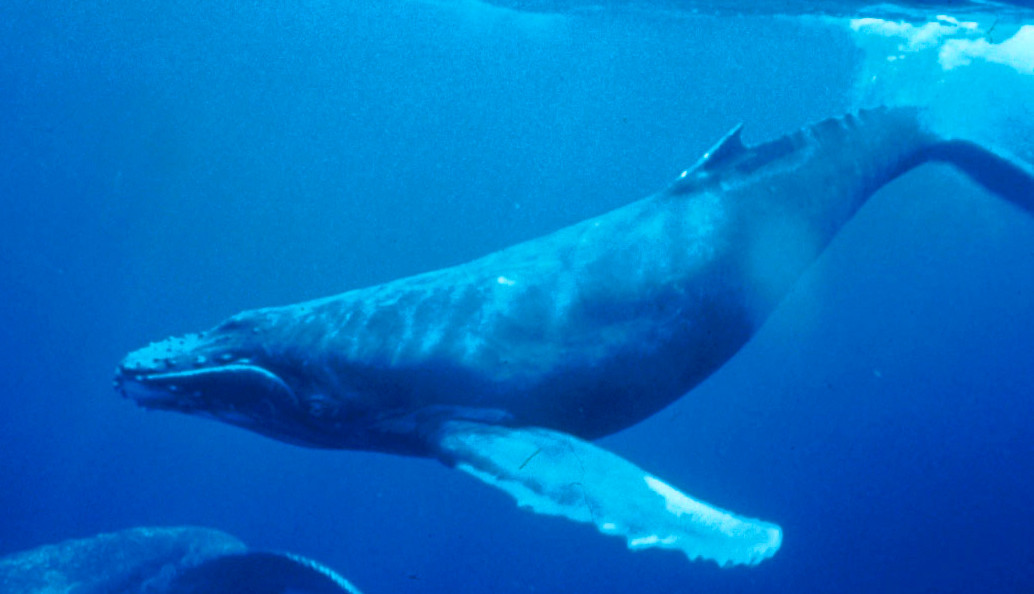
Where to see Humpback Whale
The parks with the most verified sightings, out of 200+ safari areas where it has been recorded.
- 1Table Mountain National ParkCommonLodges
Western Cape & Garden Route, South Africa · Common
- 2Table Mountain National Park Marine Protected AreaCommonLodges
Western Cape & Garden Route, South Africa · Common
- 3Buffelsfontein Game & Nature ReserveCommonLodges
Western Cape & Garden Route, South Africa · Common
- 4Koggelfontein workshopsCommonLodges
Western Cape & Garden Route, South Africa · Common
- 5West Coast National ParkCommonLodges
Western Cape & Garden Route, South Africa · Common
Common: 500+ verified sightings. Occasional: 50 to 499. Rare: under 50.
We may earn a commission when you book through our partners. It never changes your price or our rankings. How we make money
Humpback Whale facts
Quick facts
Facts sourced from Wikidata (CC0).
Best months to spot
Most sightings recorded in Jul, Aug. Data from GBIF - a global database of verified wildlife observations by researchers and citizen scientists.
Humpback Whale: FAQs
Where can you see Humpback Whale on safari?
The parks with the most research-grade GBIF and iNaturalist records of Humpback Whale are Table Mountain National Park, Table Mountain National Park Marine Protected Area and Buffelsfontein Game & Nature Reserve. It is recorded in 200+ safari areas in all.
Is the humpback whale endangered?
The IUCN Red List assesses the humpback whale as Least Concern.
When is the best time to see Humpback Whale?
Most sightings of Humpback Whale are logged in Jul, Aug, going by the months of research-grade records; it can be seen year-round where it lives.
Spotted something wrong? Suggest a correction
About the humpback whale
The humpback whale is a species of baleen whale. It is a rorqual and is the only species in the genus Megaptera. Adults range in length from 14–17 m (46–56 ft) and weigh up to 40 metric tons. The humpback has a distinctive body shape, with long pectoral fins and tubercles on its head. It is known for breaching and other distinctive surface behaviors, making it popular with whale watchers. Males produce a complex song that typically lasts from 4 to 33 minutes.
Adapted from Wikipedia, CC BY-SA 4.0.