Victoria Falls: The Complete Safari Planning Guide
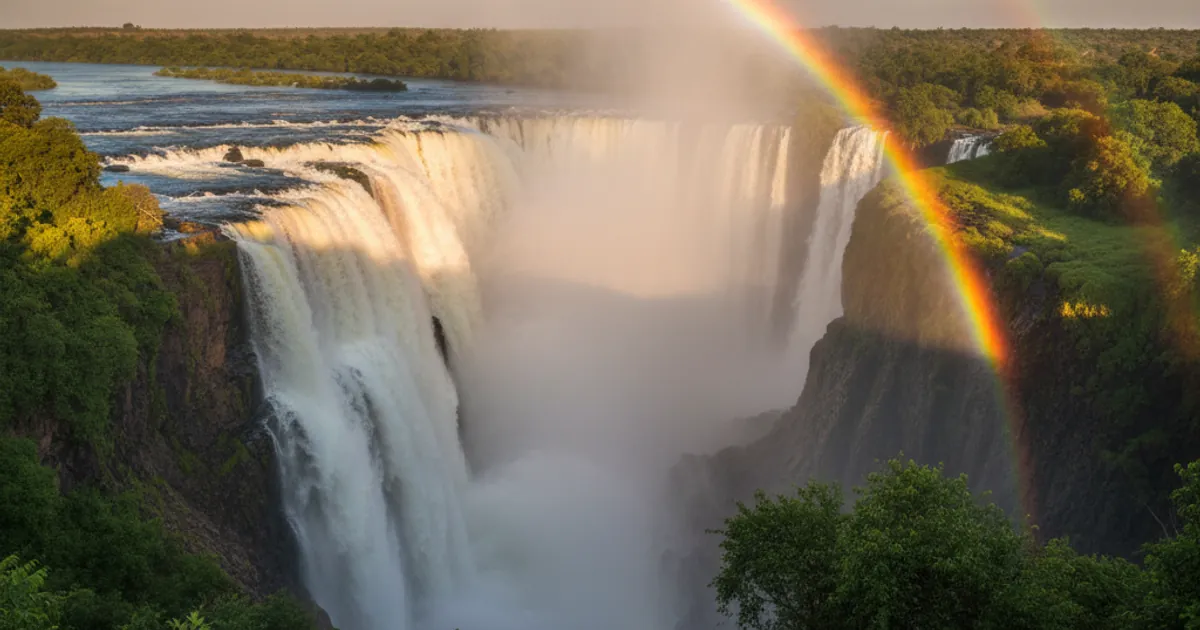
Straddling the border between Zambia and Zimbabwe, Victoria Falls is one of the most awe-inspiring natural spectacles on Earth. Known locally as Mosi-oa-Tunya - 'The Smoke That Thunders' - this colossal curtain of water plunges over 100 metres into the Batoka Gorge, sending plumes of spray visible from 50 kilometres away. Whether you come for the thundering cascades, the surrounding national parks, or the world-class adventure activities, Victoria Falls is the ultimate anchor point for a southern African safari.
Geographic Overview and Significance
Victoria Falls sits on the Zambezi River, the fourth-largest river in Africa, at the border between Zambia and Zimbabwe. The falls stretch approximately 1,708 metres wide and drop up to 108 metres into the First Gorge, making them the largest sheet of falling water on the planet by combined width and height. The spray from the falls sustains a unique strip of rainforest on the cliff opposite - one of the few places in southern Africa where you will find lush, moisture-loving vegetation year-round.
Designated a UNESCO World Heritage Site in 1989, Victoria Falls is protected on both sides: by Mosi-oa-Tunya National Park in Zambia and Victoria Falls National Park in Zimbabwe. The area is a critical wildlife corridor linking larger conservation areas in both countries, and it plays a significant role in regional tourism economies.
The town of Victoria Falls on the Zimbabwean side and Livingstone on the Zambian side serve as the two main bases for visitors. Both offer excellent infrastructure, from luxury lodges to backpacker hostels, and each provides a distinctly different perspective on the falls themselves.
Best Time to Visit
High Water Season (February to May)
This is when the Zambezi is at peak flow following the rainy season. The falls are at their most dramatic, with massive volumes of water crashing over the edge and spray rising hundreds of metres into the air. In March and April, the spray can be so thick that it is difficult to see the falls from certain viewpoints - but the sheer power is unforgettable. Bring waterproof protection for your camera and expect to get thoroughly soaked on the Zimbabwean rainforest walk.
Shoulder Season (June to August)
Water levels begin to drop but the falls remain impressive. This is widely considered the best overall time to visit - you get a good balance of water volume and visibility. The dry winter weather means clear skies and comfortable temperatures around 25°C during the day. This also coincides with peak safari season in Zimbabwe and Zambia, making it easy to combine the falls with a game drive.
Low Water Season (September to January)
By October and November, large sections of the rock face are exposed, particularly on the Zambian side. While less dramatic in terms of water flow, this period opens up experiences that are impossible during high water: Devil's Pool (a natural infinity pool on the very lip of the falls), walks along the exposed rock ledges, and unobstructed views of the gorge structure. The Zimbabwean side retains more water flow throughout the year, so consider viewing from that side if visiting in the dry months.
How to Get There
By Air
Victoria Falls Airport (VFA) in Zimbabwe receives direct flights from Johannesburg (about 2 hours), Nairobi, and Addis Ababa. Harry Mwanga Nkumbula International Airport (LVI) in Livingstone, Zambia, handles flights from Johannesburg, Cape Town, and regional connections. Both airports are small, modern, and within 20-30 minutes of the falls by road. Many visitors fly into one country and out of the other, taking advantage of the KAZA UniVisa that covers both Zambia and Zimbabwe.
By Road
Victoria Falls town is approximately 450 km from Kasane in Botswana (the gateway to Chobe National Park), making a cross-border safari combination straightforward. The road from Kasane is tarred and in good condition. From Hwange National Park, the drive is around 200 km and takes about 2.5 hours. Self-driving is feasible, though most safari operators include transfers.
Border Crossing
The Victoria Falls Bridge connects Zimbabwe and Zambia and is walkable. A day visa or the KAZA UniVisa allows you to cross freely between both countries. The bridge itself is an attraction - bungee jumping operates from its centre, 111 metres above the Zambezi.
Key Activities and Experiences
- Rainforest Walk (Zimbabwe side): A paved path through spray-fed rainforest with 16 viewpoints overlooking the falls. You will see the Main Falls, Horseshoe Falls, Rainbow Falls, and the Eastern Cataract. Entry fee applies.
- Knife Edge Bridge (Zambia side): Walk across a narrow bridge directly opposite the Eastern Cataract for some of the most dramatic close-up views and rainbow photo opportunities.
- Devil's Pool: Available from mid-September to mid-January when water levels are low enough. Swim to the very edge of the falls in a natural rock pool - an experience that is as thrilling as it sounds. Guided trips depart from Livingstone Island.
- Sunset Cruise on the Zambezi: A gentle boat cruise upstream from the falls, passing hippos, elephants drinking on the banks, and spectacular sunsets. Most cruises include drinks and snacks.
- White-Water Rafting: The Batoka Gorge below the falls offers Grade 5 rapids - some of the best commercial white-water rafting in the world. Full-day and half-day trips are available, with the rapids named things like 'The Washing Machine' and 'Oblivion'.
- Helicopter or Microlight Flights: Known locally as 'The Flight of Angels', a helicopter ride over the falls gives you the aerial perspective that photos simply cannot capture. Microlight flights offer an even more exhilarating open-air version.
- Bungee Jumping: The 111-metre jump from Victoria Falls Bridge is one of the highest commercial bungee jumps in the world, with the Zambezi churning below.
Wildlife You Will Encounter
The area around Victoria Falls is surprisingly rich in wildlife. Mosi-oa-Tunya National Park on the Zambian side is home to a small population of white rhinos - one of the few places in Zambia where you can see them. Game drives here also reveal buffalo, giraffe, zebra, and various antelope species.
On the Zimbabwean side, Zambezi National Park stretches along the river upstream from the falls. It is known for its elephant herds, which regularly wander into Victoria Falls town itself. Sable antelope, a prized sighting for seasoned safari-goers, are found here along with kudu, waterbuck, and bushbuck.
The Zambezi River supports large populations of hippos and Nile crocodiles. Birding is excellent, with over 400 species recorded in the area, including the African finfoot, Schalow's turaco, and the iconic African fish eagle whose call echoes across the gorge.
For a more intensive wildlife experience, combine Victoria Falls with a visit to Hwange National Park (3 hours away) or cross into Botswana for Chobe National Park (1.5 hours), both of which offer exceptional Big Five game viewing.
Accommodation Options
Victoria Falls caters to every budget. On the luxury end, The Victoria Falls Hotel (the grand colonial-era property with falls views from its terrace), Tongabezi Lodge, and The River Club offer world-class service and settings. Mid-range options include Ilala Lodge (walking distance to the falls), Avani Victoria Falls Resort, and various boutique guesthouses in both Victoria Falls town and Livingstone. Budget travellers are well served by Jollyboys Backpackers and Shoestrings in Livingstone, both with pool areas and excellent tour booking desks.
For a bush-meets-falls experience, several lodges along the Zambezi River upstream offer game drives and river activities alongside falls excursions. Matetsi Victoria Falls and Old Drift Lodge are standout options in this category.
Photography Tips
Victoria Falls is one of Africa's most photographed landmarks, but capturing it well requires preparation:
- Waterproof protection is essential. During high water, the spray is relentless. Use a waterproof camera bag or a simple zip-lock bag with a hole for the lens. A UV or clear filter on your lens protects the glass from water droplets.
- Morning light from the Zimbabwe side produces the best front-lit images of the Main Falls. Arrive early to avoid crowds and catch soft golden light on the water.
- Rainbows form reliably between about 9am and midday. For lunar rainbows, visit during the full moon - the Zimbabwean side opens for special moonlit viewings on select nights.
- Slow shutter speeds (1/4 to 2 seconds) with a tripod create silky water effects. A neutral density filter is invaluable for daytime long exposures. For the full-power effect, use a faster shutter speed (1/500+) to freeze individual streams of water.
- Aerial photography from a helicopter produces iconic shots. Sit on the side facing the falls (ask the pilot which side), use a fast shutter speed to counter vibration, and keep your ISO high enough to maintain at least 1/1000s. Remove doors if the operator allows it, and secure your equipment with a strap.
- From the Zambian side, the Knife Edge Bridge provides eye-level shots directly into the spray. A polarising filter helps cut through mist and intensify rainbows.
Practical Tips
- Visa: The KAZA UniVisa (USD 50) covers both Zambia and Zimbabwe and is available on arrival at both airports and border posts. It is valid for 30 days and allows unlimited crossings between the two countries. Check the latest requirements on your government's travel advisory before departure.
- Currency: Zimbabwe uses USD alongside the local ZiG dollar. Zambia uses the Kwacha. USD is widely accepted on both sides. ATMs are available in both towns but carry cash as backup.
- Health: Victoria Falls is in a malaria zone. Prophylaxis is strongly recommended. Consult your travel doctor at least 4-6 weeks before departure. See our Zimbabwe safety guide and Zambia safety guide for more detail.
- What to pack: A waterproof poncho or rain jacket (even in dry season you may get spray), sturdy walking shoes with grip, sunscreen, binoculars, and a dry bag for electronics. If visiting Devil's Pool, bring water shoes with good traction.
- Time needed: Most visitors spend 2-3 nights at Victoria Falls. This allows time to see the falls from both sides, do a sunset cruise, and fit in one or two adventure activities. Add extra days if combining with Hwange, Chobe, or the Upper Zambezi.
Nearby Parks and Side Trips
Victoria Falls is perfectly positioned as a hub for a broader southern African safari circuit:
- Hwange National Park (Zimbabwe): Just 200 km away, Hwange is Zimbabwe's largest national park and home to one of Africa's largest elephant populations. It combines seamlessly with a falls visit.
- Chobe National Park (Botswana): A 90-minute drive to Kasane gives you access to Chobe's extraordinary elephant concentrations and boat safaris on the Chobe River.
- Lower Zambezi (Zambia): For a more remote, water-based safari, head downstream to the Lower Zambezi National Park - canoeing past hippos and elephants on the riverbank.
- Lake Kariba: A few hours east, this vast man-made lake offers houseboat safaris, tiger fishing, and the atmospheric Matusadona National Park on its shores.
Conservation and Environmental Notes
The falls themselves are geologically stable, but the surrounding ecosystems face pressures from climate change, upstream dam proposals, and increasing tourism footprint. Water levels in the Zambezi have shown greater variability in recent decades, with some unusually low-water years raising concerns about long-term flow patterns. Both Zambia and Zimbabwe have committed to managing the World Heritage Site jointly, and community conservancies around Hwange and along the Upper Zambezi support wildlife corridors that keep the broader ecosystem connected.
As a visitor, choose operators who are members of the Victoria Falls Anti-Poaching Unit or support local community projects. Avoid activities that involve captive wildlife interactions (such as lion walks, which are widely discredited by conservation organisations). Responsible tourism at Victoria Falls directly funds ranger salaries, anti-poaching patrols, and community development programs on both sides of the border.
Key Takeaways
- 1Victoria Falls is best viewed from the Zimbabwe side during high water (Feb-May) and from the Zambia side during low water (Sept-Jan) when Devil's Pool opens
- 2The KAZA UniVisa covers both Zambia and Zimbabwe for USD 50, making it easy to see the falls from both sides
- 3Combine your visit with Hwange National Park (3 hours) or Chobe in Botswana (1.5 hours) for Big Five game viewing
- 4Waterproof protection for camera gear is essential — even in dry season the spray from the falls is significant
- 5The area is a malaria zone so antimalarial prophylaxis is strongly recommended
- 6Book helicopter flights early in your trip as weather cancellations are common and you may need to reschedule
- 7Allow 2-3 nights minimum to see both sides of the falls and enjoy at least one adventure activity
Frequently Asked Questions
Which side of Victoria Falls is better - Zambia or Zimbabwe?
Both sides offer distinct experiences. The Zimbabwe side has 16 viewpoints along a rainforest path and gives you the broadest panorama of the falls, making it the better side during high water (February to May). The Zambia side puts you closer to the Eastern Cataract and offers the Knife Edge Bridge walk, plus access to Devil's Pool during low water (September to January). Ideally, visit both sides - the KAZA UniVisa makes crossing the border straightforward.
When is the best time to visit Victoria Falls?
June to August offers the best balance of water flow and visibility, with pleasant dry-season weather. February to May delivers the most dramatic water volume but heavy spray can obscure views. September to December gives you low water, exposed rock faces, and access to Devil's Pool. Each season has its appeal - there is no bad time, only different experiences.
Is Devil's Pool at Victoria Falls safe?
Yes, when accessed through licensed operators during the approved season (typically mid-September to mid-January). A natural rock lip prevents you from going over the edge, and guides accompany every group. It is closed during high water when conditions are genuinely dangerous. Children under 12 are generally not permitted. Always use an authorised operator based on Livingstone Island.
How many days do you need at Victoria Falls?
Two to three nights is ideal for most visitors. This allows you to view the falls from both sides, take a sunset cruise, and do one or two adventure activities such as rafting or a helicopter flight. If you plan to add a day trip to Chobe National Park or a game drive in Hwange, allow four to five nights.
Do I need a visa to visit Victoria Falls?
Most nationalities can obtain a visa on arrival. The KAZA UniVisa (USD 50) covers both Zambia and Zimbabwe for 30 days and is available at both airports and the land border. Single-entry visas for either country are also available. Check your government's travel advisory for the latest requirements before departure.