Botswana Safari Safety Guide: What Every Traveller Needs to Know
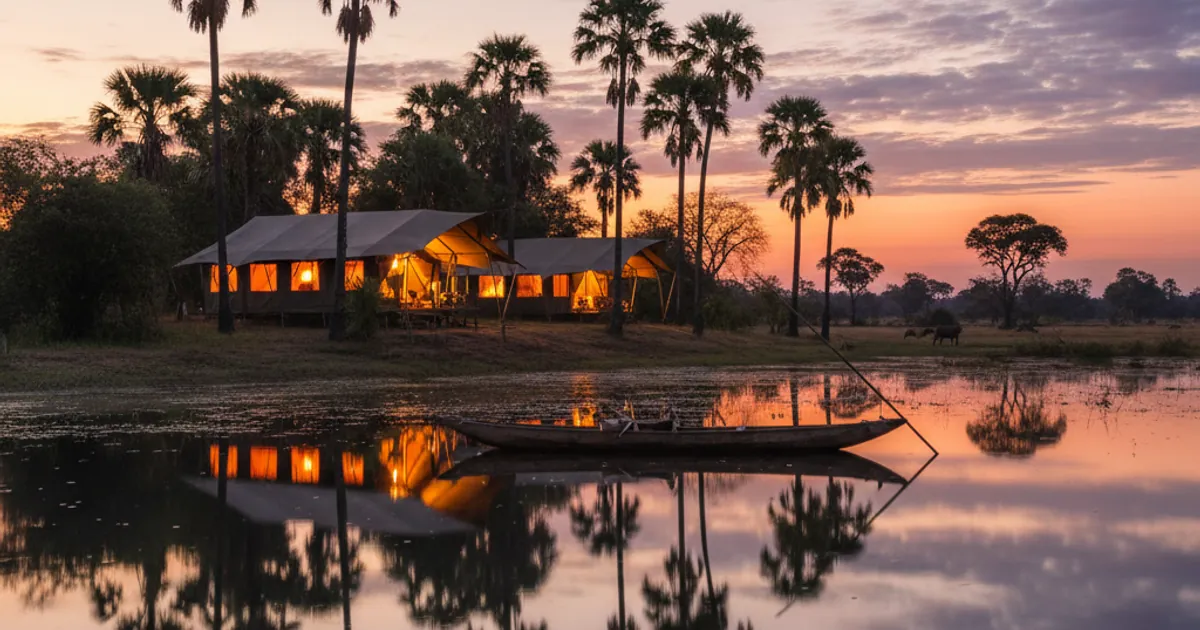
Botswana is one of Africa's safest and most politically stable countries, offering pristine wilderness experiences in the Okavango Delta, Chobe, and the Kalahari. While the country's low-volume, high-value tourism model ensures excellent service and security, the sheer remoteness and density of wildlife demand careful preparation.
Safety Overview
Botswana is widely regarded as one of the safest countries on the African continent. It is a stable, well-governed democracy with low levels of corruption and a strong rule of law. Violent crime against tourists is exceptionally rare, and the country's tourism model - which favours low visitor numbers and premium experiences - means you will often feel as though you have the wilderness entirely to yourself.
The risks in Botswana are overwhelmingly environmental and wildlife-related rather than criminal. Many camps in the Okavango Delta are unfenced, meaning elephants, hippos, and lions can - and do - wander through camp. Self-drive travellers face long distances across challenging sandy terrain with limited infrastructure. Understanding these realities and preparing accordingly is the key to a safe and extraordinary Botswana safari.
Health and Vaccinations
Required and Recommended Vaccines
Yellow fever vaccination is required if you are arriving from a country with yellow fever risk. If entering directly from Europe, North America, or other non-endemic countries, it is not mandatory but may be recommended by your travel clinic. Additional recommended vaccines include hepatitis A and B, typhoid, tetanus-diphtheria, and rabies. The rabies vaccine is particularly worthwhile for Botswana, given the remoteness of many safari areas and the distance from post-exposure treatment facilities.
Visit a travel clinic at least 6-8 weeks before departure. If you plan to visit multiple Southern African countries, discuss your full itinerary so your clinic can advise on yellow fever certificate requirements for border crossings.
Malaria Risk
Malaria is present in northern Botswana, including the Okavango Delta, Chobe National Park, and the Linyanti wetlands. Risk is highest during and immediately after the rainy season (November to April), but prophylaxis is recommended year-round for the north. The central Kalahari and southern regions carry lower risk, particularly during the dry winter months, but prophylaxis is still advisable.
Commonly prescribed antimalarials include atovaquone-proguanil (Malarone), doxycycline, and mefloquine. Combine medication with bite-prevention measures: DEET-based repellent (30-50%), long sleeves and trousers from dusk, and sleeping under insecticide-treated mosquito nets. Most safari lodges provide nets and repellent, but carry your own supply as backup.
Tsetse Flies
The Okavango Delta is home to tsetse flies, particularly in the wetter, more wooded areas during the green season. Their bite is painful but the risk of sleeping sickness (trypanosomiasis) transmission to humans is very low in Botswana. Wear neutral-coloured clothing - tsetse flies are attracted to dark blue and black. Avoid strongly scented perfumes or colognes. While not dangerous, the bites can swell and itch significantly, so antihistamine cream is worth packing.
Wildlife Safety on Safari
Unfenced Camps
Many of Botswana's premier safari camps in the Delta and Chobe are completely unfenced. This is part of the authentic wilderness experience, but it demands constant awareness. Elephants regularly walk between tents, hippos graze on camp lawns at night, and predators may pass through. Always follow these rules:
- Never walk around camp unescorted after dark - a guide or staff member will accompany you
- Use the torch (flashlight) provided and scan ahead before walking
- If you encounter an elephant, stay calm, give it wide berth, and never get between a mother and calf
- Keep your tent zipped at all times, even during the day - baboons and monkeys will enter open tents
- Do not keep food in your tent; store everything in provided lockboxes
Mokoro and Boat Safety
Mokoro (traditional dugout canoe) excursions are a signature Okavango experience. You will be poled through shallow channels by an experienced guide. The water contains Nile crocodiles and hippos, so never trail your hands or feet in the water. Sit still and keep your centre of gravity low. If your guide signals you to be silent, comply immediately - this usually means a hippo is nearby. Wear a hat and apply sunscreen; there is no shade on a mokoro.
On motorboat safaris along the Chobe River, the same principles apply. Hippos are territorial in water and will charge boats that encroach too closely. Your skipper will know the safe distances, but be prepared for the engine noise to startle animals - keep cameras secured with straps.
Walking Safaris
Walking safaris in the Okavango and Linyanti are led by armed, licensed guides. Walk in single file, never ahead of your lead guide or behind the backup guide. Wear muted colours (khaki, olive, tan) and avoid white. If a dangerous animal is encountered, freeze and follow your guide's instructions without question. Running triggers a predatory chase response. The guide carries a rifle as a last resort, but encounters are managed through positioning and calm behaviour.
Self-Drive Risks
Botswana is a popular self-drive destination, particularly in the Makgadikgadi Pans, Central Kalahari, and Chobe. However, self-driving here is a serious undertaking:
- Deep sand: Many tracks in the Kalahari and Makgadikgadi are deep sand requiring a 4x4 with low-range capability and deflated tyres. If you have no off-road experience, hire a guide or join a guided tour
- No mobile coverage: Large areas of Botswana have zero phone signal. Carry a satellite phone or personal locator beacon (PLB) for emergencies
- Fuel planning: Fuel stations are scarce outside towns. Calculate your fuel consumption carefully, carry jerry cans, and never set off with less than a full tank
- Breakdowns: Recovery in remote areas can take days. Carry a high-lift jack, tow strap, shovel, tyre repair kit, and at least 20 litres of drinking water per person
- Wildlife on roads: Elephants have absolute right of way. If an elephant blocks the road, switch off your engine and wait. Never rev or honk. At night, drive slowly - animals are difficult to spot and collisions can be fatal for both parties
For a less stressful alternative, consider flying into Delta camps by bush plane - this is how most premium safari operators access their properties.
Common Scams and How to Avoid Them
Botswana has remarkably few tourist scams compared to many African destinations. The country's wealth (driven by diamonds and beef exports) and small population mean that aggressive touting and hustling are culturally uncommon. However, be aware of:
- Unlicensed safari operators: Book only through registered operators. Verify credentials with the Botswana Tourism Organisation (BTO). Unlicensed operators may lack insurance, trained guides, or proper vehicle maintenance
- Border crossing delays: At Kazungula (Zambia/Zimbabwe border), unofficial "helpers" may offer to speed up your paperwork for a fee. Use only official immigration staff
- Currency confusion: The Botswana pula and South African rand are both used in border towns. Know the current exchange rate to avoid overpaying
Solo Travel Considerations
Botswana is safe for solo travellers, but the high cost of safaris means solo travel is expensive - most lodge rates are per-person sharing, with significant single supplements. Joining a small group mobile safari is a cost-effective way to experience the Delta and Chobe. Gaborone and Maun are safe and easy to navigate alone. Solo self-driving in remote areas is not recommended; breakdowns in the Kalahari without a second vehicle can become life-threatening.
Register with your embassy, share your itinerary with someone at home, and check in regularly. Mobile coverage in Maun and Gaborone is good (Mascom and Orange are the main networks), but non-existent in most safari areas.
LGBTQ+ Safety
In 2019, Botswana's High Court decriminalised same-sex relationships in a landmark ruling, making it one of the more progressive countries in Africa on LGBTQ+ rights. The tourism industry is welcoming and professional. However, broader societal attitudes remain conservative, particularly in rural areas. Discretion with public displays of affection is advisable outside of premium lodge settings. LGBTQ+ travellers report positive experiences in Botswana's safari context, where privacy and discretion are inherent to the lodge experience.
Emergency Contacts
Police: 999
Ambulance / Fire: 997
Medical Rescue International (MRI): +267 390 1601
Okavango Air Rescue: +267 686 0992
Botswana Tourism Organisation: +267 391 3111
Medical facilities in Gaborone are adequate for most emergencies (Gaborone Private Hospital and Princess Marina Hospital). In the Delta and remote areas, evacuation by bush plane is the standard response for serious injuries - this can cost thousands of dollars. Comprehensive travel and medical evacuation insurance is absolutely essential for any Botswana safari. Verify that your policy covers air ambulance and bush plane evacuation.
Valuables, Money, and Phones
The Botswana pula (BWP) is the local currency. US dollars are widely accepted at lodges, and many camps quote their rates in USD. Carry clean, undamaged US dollar notes printed after 2006. ATMs are available in Gaborone, Maun, and Kasane, but non-existent in safari areas. Visa and Mastercard are accepted at most lodges and hotels.
- Use your lodge safe for passports, excess cash, and electronics not in use
- Carry a photocopy of your passport and keep the original secured
- Waterproof bags are essential for mokoro trips and boat safaris - a dropped phone in the Delta is gone forever
- Dust is pervasive in the dry season; bring silica gel packets and a sealed bag for camera equipment
For recommended safari gear including waterproof bags, dust-proof camera cases, and satellite communicators, see our equipment guide.
Botswana-Specific Risks
Extreme Heat
Summer temperatures (October-February) in the Kalahari and Makgadikgadi regularly exceed 40°C. Heatstroke is a real risk for self-drive visitors who break down or get stuck. Carry at least 5 litres of water per person per day, wear a hat, and avoid exertion during midday hours. Lodges schedule activities for early morning and late afternoon for this reason.
Flooding and Seasonal Access
The Okavango Delta flood arrives between May and August, transforming the landscape and making some tracks impassable. Camps may be accessible only by mokoro or bush plane during peak flood. If self-driving, check current conditions with the Department of Wildlife and National Parks before setting out. The Makgadikgadi Pans are inaccessible during the wet season (December-March).
Border Crossing Tips
The Kazungula border with Zambia/Zimbabwe can involve long waits, particularly for vehicle crossings. Arrive early in the morning and have all documents ready. The new Kazungula Bridge has improved vehicle crossings significantly. If visiting Victoria Falls from Botswana, most travellers prefer a day trip via the Kasane border post - the crossing is straightforward with a KAZA UniVisa if applicable.
For the best time to visit Botswana for wildlife viewing and Delta water levels, see our Botswana seasonal guide. For related safari destinations, check our Kalahari guide and safety guides for Namibia, Zambia, South Africa, and Zimbabwe. Browse Botswana's best parks to plan your route.
Key Takeaways
- 1Botswana is politically stable with very low crime — wildlife and remoteness are the main risks
- 2Many camps are unfenced; never walk unescorted after dark and keep tents zipped at all times
- 3Malaria prophylaxis is essential for northern Botswana including the Delta and Chobe
- 4Self-driving requires serious 4x4 experience, satellite communication, and extensive supplies
- 5Tsetse flies in the Delta are painful but low risk — wear neutral colours and avoid dark blue/black
- 6Medical evacuation insurance covering bush plane airlift is non-negotiable
- 7LGBTQ+ relationships are legal since 2019; the safari industry is welcoming but rural areas are conservative
Frequently Asked Questions
Is Botswana safe for tourists?
Yes, Botswana is one of Africa's safest countries for tourists. It is a stable democracy with very low violent crime against visitors. The main risks are wildlife encounters (unfenced camps, elephants on roads) and the remoteness of safari areas. Petty crime is uncommon, and the tourism industry is professional and well-regulated.
Do I need malaria tablets for Botswana?
Malaria prophylaxis is strongly recommended for northern Botswana, including the Okavango Delta, Chobe, and Linyanti. Risk is highest from November to April but present year-round. The southern Kalahari and Gaborone carry lower risk. Consult your travel clinic for the best antimalarial option for your health profile.
Is it safe to self-drive in Botswana?
Self-driving is possible but demanding. Many tracks are deep sand requiring a 4x4 with low-range gears. Mobile phone coverage is non-existent in most safari areas. You need a satellite phone, extensive water supplies, spare fuel, and recovery equipment. If you lack off-road experience, fly into camps or join a guided mobile safari instead.
Are there crocodiles in the Okavango Delta?
Yes, Nile crocodiles are present throughout the Okavango Delta waterways. On mokoro excursions, never trail hands or feet in the water. Guides are experienced at reading the water and avoiding crocodile and hippo areas. Follow their instructions closely. Swimming in the Delta is not advised.
What currency should I bring to Botswana?
US dollars are the most useful foreign currency and are accepted at virtually all lodges and safari operators. Carry clean, undamaged notes printed after 2006. The local currency is the Botswana pula (BWP). ATMs are available in Gaborone, Maun, and Kasane. Visa and Mastercard are accepted at most hotels and lodges.