Namibia Safari Safety Guide: What Every Traveller Needs to Know
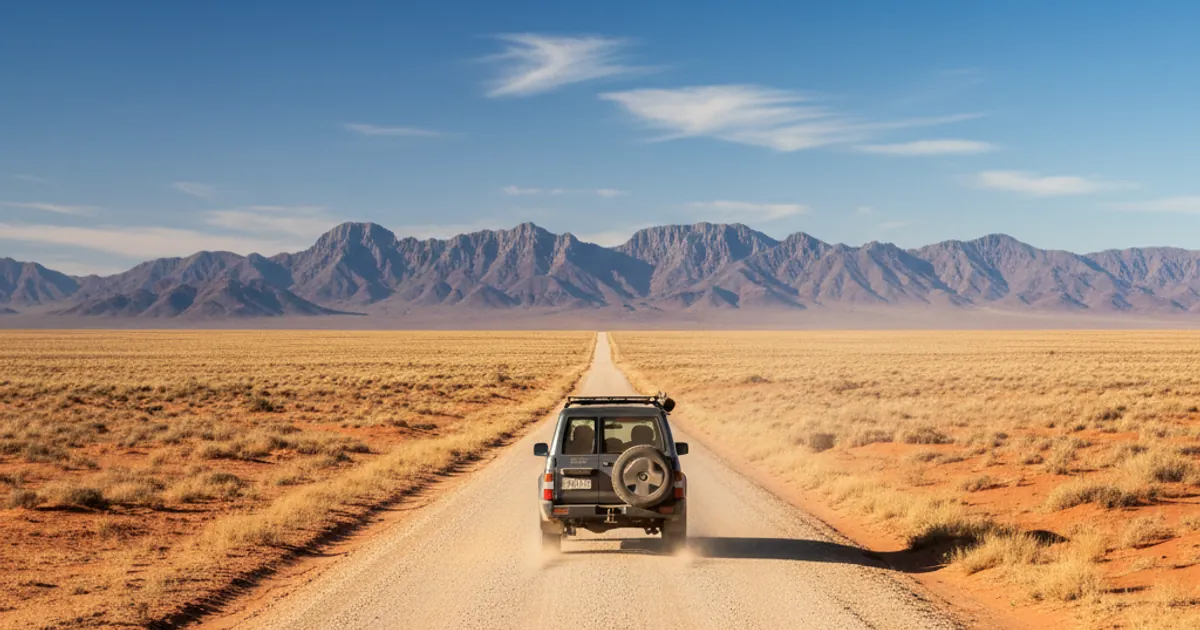
Namibia is one of Africa's safest and most spectacular self-drive destinations, offering vast desert landscapes, exceptional wildlife, and warm hospitality. While the country is politically stable with very low crime, the extreme distances, harsh desert conditions, and remote terrain require thorough preparation.
Safety Overview
Namibia is consistently ranked among the safest countries in Africa and is one of the continent's most popular self-drive destinations. The country is a stable multi-party democracy with a professional police force, low corruption, and a welcoming attitude toward tourists. Violent crime against visitors is exceptionally rare, and even petty crime is uncommon outside Windhoek's central business district.
The real risks in Namibia are environmental: extreme desert heat, vast distances between fuel stations, challenging gravel roads, and wildlife on roadways. Namibia is a country where preparation and respect for the landscape are far more important than worrying about personal security. With proper planning, this is one of the most rewarding and safest safari road trips in Africa.
Health and Vaccinations
Required and Recommended Vaccines
Yellow fever vaccination is required only if arriving from a country with yellow fever risk. There is no yellow fever in Namibia itself. Recommended vaccines include hepatitis A and B, typhoid, tetanus-diphtheria, and rabies. The rabies vaccine is advisable given the remoteness of many destinations and the presence of wildlife (including jackals and bat-eared foxes) around campsites.
Visit a travel clinic 6-8 weeks before departure to discuss your itinerary. If combining Namibia with northern neighbours like Zambia or Angola, additional requirements may apply.
Malaria Risk
Malaria risk in Namibia is concentrated in the northern regions: the Caprivi Strip (Zambezi Region), Kavango, Kunene, and parts of Oshana and Ohangwena. Etosha National Park falls within the risk zone, particularly during and after the rainy season (November to May). Prophylaxis is recommended for travel to these areas.
Central and southern Namibia - including Windhoek, Sossusvlei, the Namib Desert, Swakopmund, and the Skeleton Coast - are generally malaria-free. This makes southern Namibia an attractive option for travellers who cannot take antimalarials or are travelling with young children.
Desert Dehydration
Dehydration is one of the most common health issues for Namibia visitors. The dry desert air saps moisture without you realising it, and temperatures in the Namib and Kalahari regularly exceed 40°C in summer (October-March). Drink at least 3-4 litres of water per day, more if hiking or physically active. Early symptoms include headache, dizziness, and dark urine. Carry oral rehydration salts. Always have at least 10 litres of water per person in your vehicle when driving in remote areas.
Wildlife Safety on Safari
Etosha Game Drives
Etosha National Park is Namibia's premier game reserve, home to elephants, lions, cheetahs, leopards, and black rhinos. Etosha is one of the few major African parks where self-drive game viewing is the norm. Key safety rules:
- Remain inside your vehicle at all times except at designated rest camps and picnic spots
- Do not exceed 60 km/h on tar roads or 40 km/h on gravel within the park
- All visitors must be inside a rest camp by sunset - gates close strictly on time and late arrivals receive fines
- At waterholes, switch off your engine and stay quiet. Never throw objects or food to attract animals
- Elephants at waterholes may display mock charges if vehicles approach too closely - maintain at least 50 metres
Desert-Adapted Wildlife
In the Kunene region (Damaraland and Kaokoland), desert-adapted elephants and lions roam freely outside parks. These animals use dry riverbeds as corridors and may be encountered on roads, at campsites, or near water sources. Never camp in a dry riverbed - elephants walk these routes at night. If you encounter desert-adapted elephants on a track, stop and wait; they are generally calm but unpredictable if they feel cornered.
Snakes
Namibia is home to several venomous snakes including the Cape cobra, puff adder, and black mamba. The puff adder is the most dangerous because it relies on camouflage rather than flight and is easily stepped on. Wear closed-toe shoes at all times when walking - even around camp. Check boots in the morning before putting them on. If bitten, keep calm, immobilise the limb, and seek medical attention. Do not attempt to catch or kill the snake, but photograph it if safely possible to aid identification.
Self-Drive Safety
Self-driving is the most popular way to explore Namibia, and also the area where most visitor incidents occur. Namibia has approximately 5,500 km of tar roads and over 37,000 km of gravel roads. Preparation is everything:
- Gravel roads: Most accidents involve losing control on loose gravel. Reduce speed to 80 km/h maximum, avoid sudden braking or steering inputs, and leave ample following distance due to dust clouds from other vehicles
- Tyre pressure: Reduce tyre pressure on gravel to approximately 1.8 bar for better grip. Carry at least two spare tyres - punctures on gravel are extremely common
- Fuel planning: Calculate distances carefully and fill up at every opportunity. Some stretches (e.g., the Skeleton Coast or Kaokoland) have no fuel for 300+ km. Carry a jerry can as backup
- Night driving: Avoid driving after dark. Wildlife - particularly kudu, gemsbok, and springbok - stand on or beside tar roads at night and are nearly invisible. A kudu collision at speed is frequently fatal for both the animal and vehicle occupants
- Long distances: Windhoek to Sossusvlei is 380 km, to Etosha is 450 km, and to the Skeleton Coast is 560 km. Plan rest stops and share driving duties. Fatigue on monotonous desert roads is a genuine killer
Carry a paper road map as backup - mobile GPS often has incomplete data for Namibia's gravel network. Apps like Tracks4Africa are significantly more reliable than Google Maps for Namibian roads.
Common Scams and How to Avoid Them
Namibia has very few tourist scams. The country's relatively small population and strong community bonds mean that aggressive touting is uncommon. Be aware of:
- Windhoek street approaches: In the central business district, individuals may approach offering to guide you, carry bags, or sell crafts. Most are harmless but a polite "no thank you" is sufficient. Do not flash cash or expensive electronics in the central area
- Self-appointed car guards: In parking areas, individuals may claim to watch your car and expect payment. This is common and generally legitimate - a tip of N$5-10 is customary
- Roadside craft sellers: Prices are negotiable at roadside stalls. Quality varies widely. If buying Himba crafts, consider purchasing from community-run cooperatives to ensure fair trade
- Rental car insurance: Some rental companies charge excess fees for minor gravel damage. Photograph your vehicle thoroughly at collection and read the insurance policy carefully. Tyre and windscreen damage is almost inevitable on Namibian gravel and may not be covered by basic insurance
Solo Travel Considerations
Namibia is an excellent solo-travel destination. The self-drive infrastructure is well-established, accommodation is widely available, and the country is safe. However, solo self-driving in extremely remote areas (Kaokoland, Skeleton Coast interior) is not recommended - a second vehicle provides a safety net in case of breakdowns. If you must travel solo into remote areas, inform your accommodation of your route and expected arrival time, and carry a satellite phone or personal locator beacon.
Solo travellers will find Namibian people warm and helpful. Swakopmund and Windhoek have active backpacker communities. Camping is safe at established campsites, though wild camping in the desert is legal in many areas - choose level ground away from dry riverbeds and animal tracks.
LGBTQ+ Safety
Namibia's constitution prohibits discrimination, but same-sex acts remain technically criminalised under colonial-era laws, although prosecutions are virtually unheard of. The tourism industry is professional and welcoming regardless of orientation. Windhoek and Swakopmund are relatively cosmopolitan. However, public displays of affection between same-sex couples may attract attention in smaller towns and rural areas. LGBTQ+ travellers should exercise discretion, particularly in more conservative northern communities. In the safari and lodge context, privacy is inherent and travellers report no issues.
Emergency Contacts
Police: 10111
Ambulance: 211111
E-Med Rescue (private ambulance): +264 61 411 600
International SOS Namibia: +264 61 230 505
Namibia Tourism Board: +264 61 290 6000
Medical facilities in Windhoek are good by regional standards, with Mediclinic Windhoek and Lady Pohamba Private Hospital handling most emergencies. Outside the capital, facilities are basic. In the Skeleton Coast, Kaokoland, and remote Etosha areas, air evacuation may be the only option for serious injuries. Comprehensive travel and medical evacuation insurance is essential - verify your policy covers air ambulance and remote area retrieval.
Valuables, Money, and Phones
The Namibian dollar (NAD) is pegged 1:1 to the South African rand, and both currencies are accepted everywhere. US dollars are accepted at some lodges but not universally - carry rand or Namibian dollars for day-to-day expenses. ATMs are available in all towns. Visa and Mastercard are widely accepted at hotels, lodges, and fuel stations.
- Use lodge safes for passports and excess cash; carry a photocopy of your passport daily
- Keep electronics in dust-proof bags - Namibian dust and sand are incredibly fine and will damage camera sensors and phone ports
- Mobile coverage (MTC network) is good along major routes and in towns but absent in most of the Skeleton Coast, Kaokoland, and deep desert areas
- Consider a Garmin inReach or similar satellite communicator for remote self-drive routes
For recommended safari gear including dust-proof cases, satellite communicators, and tyre repair kits, see our equipment guide.
Namibia-Specific Risks
Skeleton Coast Remoteness
The Skeleton Coast is one of the most remote stretches of coastline in the world. Northern sections require a permit and are accessible only via fly-in safari. Even the accessible southern section between Swakopmund and the Ugab River gate has very limited infrastructure. Fog rolls in suddenly from the Atlantic, reducing visibility to metres. There is no mobile phone coverage, no fuel, and no water. Never leave the marked road, and carry all supplies you need for a full day even on short visits.
Flash Floods
Despite Namibia's arid reputation, flash floods are a serious risk during the rainy season (December-March). Dry riverbeds can fill with water within minutes from storms hundreds of kilometres upstream. Never camp in a dry riverbed and do not attempt to cross flowing water - the depth and current are impossible to judge, and the sandy riverbed may collapse under your vehicle.
Sun and UV Exposure
Namibia has some of the highest UV radiation levels on the planet, particularly in the clear desert air at altitude (much of the country sits above 1,000 metres). Wear SPF 50+ sunscreen, reapply every two hours, use a wide-brimmed hat, and wear quality UV sunglasses. Open-vehicle game drives and walking excursions offer no shade. Sunstroke is a medical emergency - if someone becomes confused, stops sweating, or has hot dry skin, cool them immediately and seek help.
For the best time to visit Namibia and seasonal wildlife viewing tips, see our Namibia seasonal guide. Explore the Namib Desert guide and check our safety guides for neighbouring Botswana, South Africa, Zambia, and Zimbabwe. Browse Namibia's best parks to plan your route.
Key Takeaways
- 1Namibia is politically stable with very low crime — the main risks are environmental and road-related
- 2Gravel road driving is the number one cause of tourist incidents; keep speed under 80 km/h and carry two spare tyres
- 3Never drive after dark — kudu and other large antelope on roads cause fatal collisions
- 4Malaria prophylaxis is needed for northern Namibia including Etosha; the south is malaria-free
- 5Carry at least 10 litres of water per person and plan fuel stops carefully in remote areas
- 6The Skeleton Coast and Kaokoland have zero mobile coverage — carry a satellite communicator
- 7Medical evacuation insurance is essential for remote desert and coastal areas
Frequently Asked Questions
Is Namibia safe for self-driving?
Yes, Namibia is one of Africa's best self-drive destinations with well-maintained gravel roads and clear signage. The main risks are speed on gravel (stay under 80 km/h), wildlife on roads at night (never drive after dark), and the long distances between fuel stations. Carry spare tyres, water, and a paper map. For remote areas like Kaokoland, a second vehicle is strongly recommended.
Do I need malaria tablets for Namibia?
Malaria prophylaxis is recommended for northern Namibia including Etosha, the Caprivi Strip, and Kunene. Risk is highest during and after the rainy season (November-May). Central and southern Namibia - including Windhoek, Sossusvlei, Swakopmund, and the Skeleton Coast - are generally malaria-free.
How dangerous are the roads in Namibia?
Namibia's tar roads are excellent, but most driving is on gravel where the biggest risks are speed, tyre punctures, and loss of control on loose surfaces. Wildlife on roads at night - particularly kudu - cause fatal accidents. Always drive during daylight hours, maintain safe speeds, and carry at least two spare tyres. Most rental car insurance does not cover single-vehicle rollovers caused by excessive speed on gravel.
Is it safe to camp wild in Namibia?
Wild camping is legal in many parts of Namibia and is generally safe. Choose level ground away from dry riverbeds (flash flood risk) and animal tracks. In areas with elephants or predators (Kunene, Caprivi), use established campsites with facilities. Keep food secured and never leave rubbish. Inform someone of your route and expected stops.
What is the best currency to carry in Namibia?
South African rand and Namibian dollars are interchangeable throughout Namibia (pegged 1:1). Rand is more useful if also visiting South Africa. ATMs are available in all towns and accept international cards. Visa and Mastercard are widely accepted. US dollars are accepted at some lodges but are not useful for day-to-day purchases.