Zimbabwe Safari Safety Guide: What Every Traveller Needs to Know
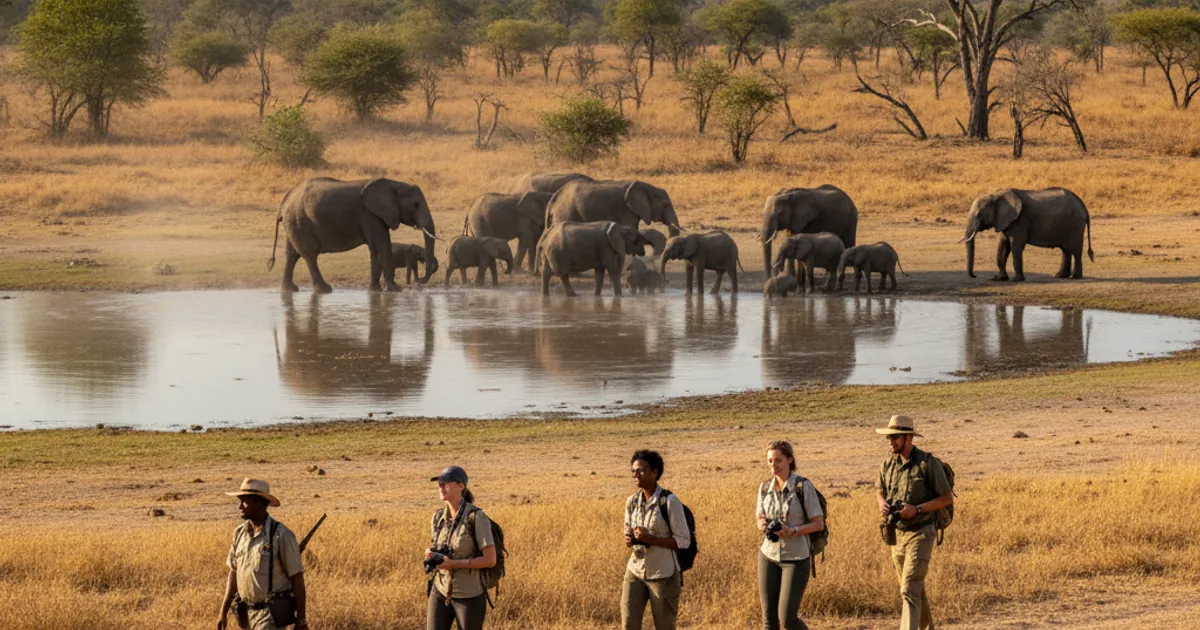
Zimbabwe is a hidden gem of southern African safari - home to Hwange National Park, Mana Pools, and the thundering Victoria Falls. Despite economic challenges and a complex political history, Zimbabwe's safari industry is world-class, with some of Africa's most skilled guides and most authentic bush experiences. This guide covers the health, safety, and practical considerations every visitor needs.
Safety Overview
Zimbabwe's safari areas are safe, professionally managed, and among the best in Africa. The country's guiding qualifications are widely regarded as the gold standard - Zimbabwean guides are renowned across the continent for their depth of knowledge and bushcraft. Hwange, Mana Pools, Matusadona, Gonarezhou, and the Victoria Falls area are well-established tourism zones with excellent operators.
The broader safety picture in Zimbabwe is shaped by its economic situation. Hyperinflation, currency instability, and political tensions have created hardship for many Zimbabweans. Petty crime exists in cities, particularly in Harare and Bulawayo, but violent crime against tourists is rare. Political demonstrations can occur in urban areas - avoid them entirely. The safari zones are insulated from these issues and function within a well-oiled international tourism framework.
Zimbabwe's people are overwhelmingly friendly and welcoming. English is widely spoken (it is the official language), making communication straightforward for international visitors.
Health and Vaccinations
Required and Recommended Vaccines
Yellow fever vaccination is required only if arriving from a yellow fever endemic country. Zimbabwe itself does not have yellow fever. Recommended vaccines: hepatitis A and B, typhoid, tetanus-diphtheria, polio booster, and rabies (particularly for visits to Mana Pools and remote areas where medical access is limited). Visit a travel clinic 6-8 weeks before departure.
Malaria Risk
Malaria is present in all of Zimbabwe's main safari areas, including Hwange, Mana Pools, Gonarezhou, and Victoria Falls. Risk peaks during and after the rainy season (November to April). Prophylaxis is essential - atovaquone-proguanil (Malarone) or doxycycline are standard recommendations. Harare and Bulawayo are at lower risk due to altitude but some protection is still advisable during the wet season. Combine prophylaxis with DEET repellent, treated nets, and long clothing at dusk and dawn.
Waterborne Diseases
Cholera outbreaks have occurred in Zimbabwe's urban areas, linked to water supply issues. In safari areas, lodges provide safe drinking water. In cities, drink only bottled or filtered water. Avoid ice from unknown sources and be cautious with salads washed in tap water.
Wildlife Safety on Safari
Walking Safaris - Zimbabwe's Speciality
Zimbabwe is arguably the finest walking safari destination in Africa. Mana Pools is particularly famous for on-foot encounters with elephants, wild dogs, lions, and buffalo. Walking here is not a gentle stroll - it is immersive, sometimes intense, and requires complete trust in your guide.
Zimbabwe's professional guide examinations are notoriously rigorous, and walking safari guides carry rifles and have extensive experience with dangerous game encounters. Follow all instructions immediately: if told to freeze, freeze. If told to back away slowly, do so without turning your back. Never run. Wear neutral colours (khaki, olive, beige), avoid perfume or cologne, and move quietly. Walking safaris are restricted to guests aged 12-16 and above, depending on the operator.
Canoe Safaris on the Zambezi
Canoeing the Lower Zambezi through Mana Pools is one of Africa's great adventures - and one of its most thrilling. The river is home to large hippo and crocodile populations. Professional guides lead these trips and know the hippo pod locations and safe channels. Do not trail fingers or hands in the water. Do not splash or make unnecessary noise. If a hippo surfaces near your canoe, paddle calmly and steadily away - never towards it. Guides will brief you thoroughly before departure.
Victoria Falls Activities
Victoria Falls offers adrenaline activities including bungee jumping, gorge swinging, white-water rafting, and helicopter flights. All operators are regulated and have strong safety records. Check that your travel insurance covers adventure activities - many standard policies exclude them. The falls themselves are accessed via a well-maintained path, but rocks are slippery when wet (which they always are from spray). Wear sturdy shoes and carry your camera in a waterproof bag. During high water (March-May), the spray is so intense that visibility at some viewpoints approaches zero.
Elephant Encounters
Mana Pools is famous for elephants that stand on their hind legs to reach seed pods in ana trees - and for remarkably relaxed interactions between elephants and humans on foot. This tolerance is the result of decades of respectful coexistence. However, elephants are still wild and unpredictable. Breeding herds with calves, lone bulls in musth (recognisable by temporal gland secretions and aggressive posture), and elephants near water should be given wide berth even in Mana Pools.
Common Scams and How to Avoid Them
- Currency confusion: Zimbabwe uses multiple currencies - primarily the US dollar alongside the Zimbabwean Gold (ZiG) and various bond notes. Confusion between currencies can lead to tourists being shortchanged or paying in the wrong denomination. Always clarify which currency is being quoted and carry US dollars in small denominations ($1, $5, $10, $20).
- Unofficial money changers: Street money changers in Harare and Victoria Falls offer attractive rates but may short-change you, use sleight of hand, or supply counterfeit notes. Use banks, hotel reception, or official bureaux de change only.
- Craft market overpricing: Victoria Falls craft market vendors quote very high initial prices. Bargaining is expected and necessary - start at one-third of the quoted price and negotiate up. Shona stone sculptures are genuine local art; check that carvings are actually soapstone and not reconstituted material.
- Fake guides at Victoria Falls: Self-appointed guides may attach themselves to you at the falls entrance and demand payment for unsolicited commentary. Entry tickets include access to the well-signposted path - no guide is necessary. If you want a guided tour, book through your hotel or a licensed operator.
Solo Travel Considerations
Solo travel in Zimbabwe's safari areas is straightforward - lodges are welcoming and game drives are shared activities. Victoria Falls is compact and walkable during the day, with a range of accommodations from backpacker hostels to luxury hotels. In Harare and Bulawayo, solo travellers should exercise standard urban caution: avoid walking alone after dark, use reputable taxi services, and keep valuables concealed.
Female solo travellers generally report positive experiences. Zimbabweans are friendly and respectful. The main challenge for solo safari visitors is cost - most lodges charge single supplements. Some operators offer scheduled group departures that suit solo travellers and reduce per-person costs.
LGBTQ+ Safety
Same-sex sexual activity between men is illegal in Zimbabwe, though the law is rarely enforced. Former president Robert Mugabe was vocally homophobic, and while the current government has softened its rhetoric, societal attitudes remain deeply conservative. LGBTQ+ travellers should exercise significant discretion. Avoid public displays of affection and be cautious about disclosing sexual orientation. Safari lodges serving international clients are professional and discreet, but it is advisable to book accommodation that explicitly welcomes international travellers.
Emergency Contacts
Police: 995
Ambulance: 994
Fire: 993
MARS (Medical Air Rescue Service): +263 77 242 3493
ACE Air Ambulance: +263 24 2700 531
Victoria Falls emergency (tourism): +263 13 44 646
Medical facilities in Zimbabwe have been affected by the country's economic challenges. Private clinics in Harare (West End Hospital, Avenues Clinic) offer reasonable care. Victoria Falls has a small hospital adequate for non-critical issues. For serious illness or injury on safari, medical evacuation by air to Harare, Johannesburg, or Nairobi is the standard protocol. MARS (Medical Air Rescue Service) is the primary provider. Comprehensive travel and medical evacuation insurance is absolutely essential - do not travel to Zimbabwe without it.
Valuables, Money, and Phones
The US dollar is the primary currency for tourists. Carry small-denomination notes - $1, $5, $10, $20 - as change for large bills is chronically scarce. $50 and $100 notes are useful at lodges and hotels but difficult to break in markets and smaller establishments. ATMs dispense local currency (ZiG or bond notes) and are unreliable - do not depend on them. Bring sufficient US dollars in cash for your trip.
- Credit cards are accepted at upmarket lodges and hotels but often with a 3-5% surcharge. Visa is more widely accepted than Mastercard.
- Use lodge safes for valuables, excess cash, and passports.
- Phone coverage is reasonable in Victoria Falls and on main roads. In Hwange and Mana Pools, coverage is patchy to non-existent - inform someone of your itinerary and expected check-in times.
- Bring a torch, portable battery pack, and a good pair of binoculars for walking safaris.
Zimbabwe-Specific Risks
Economic Instability and Currency
Zimbabwe's economy remains volatile. Fuel shortages can occur, affecting road travel. Cash shortages mean that change is sometimes given in sweets, phone credit, or local currency rather than US dollars. Safari operators are well-equipped to manage these challenges, but independent travellers should carry extra fuel money and sufficient US dollar cash. Avoid political discussions with strangers.
Road Conditions
Major highways between Harare, Bulawayo, and Victoria Falls are generally in good condition. However, roads to and within national parks can be rough, particularly in the wet season. A 4x4 vehicle is recommended for Mana Pools (mandatory during rains) and Gonarezhou. Livestock and wildlife on roads are common - drive cautiously, especially at dawn and dusk. Night driving outside cities is strongly discouraged due to pedestrians without reflective clothing, livestock, and potholes.
Bilharzia (Schistosomiasis)
Lake Kariba and the Zambezi River carry bilharzia risk. Do not swim in or wade through fresh water in these areas. If accidental exposure occurs, seek medical testing 6-8 weeks after exposure. Swimming pools at lodges are treated and safe.
Rainy Season Challenges
The rainy season (November to March) transforms the landscape but creates challenges: muddy roads, higher malaria risk, intense afternoon thunderstorms, and some camps close entirely. Mana Pools is inaccessible during the rains. The wet season is, however, prime birding season and offers dramatic skies for photography. Pack waterproof layers and be flexible with your itinerary.
For the best time to visit Zimbabwe's parks, see our Zimbabwe seasonal guide. Compare top reserves on our best parks page. Also read our safety guides for South Africa, Tanzania, and Rwanda.
Key Takeaways
- 1Zimbabwe has some of Africa's best-trained safari guides — walking safaris here are world-class but demand strict protocol adherence
- 2Carry sufficient US dollars in small denominations — ATMs are unreliable and change is chronically scarce
- 3Malaria prophylaxis is essential for all safari areas including Victoria Falls, Hwange, and Mana Pools
- 4Medical evacuation insurance is non-negotiable — local hospital infrastructure is limited outside Harare
- 5Currency confusion between USD, ZiG, and bond notes is the most common tourist pitfall — always clarify which currency is quoted
- 6Mana Pools walking safaris and Zambezi canoe safaris involve real proximity to dangerous wildlife — trust your guides completely
- 7Avoid fresh water swimming in Lake Kariba and the Zambezi due to bilharzia risk
Frequently Asked Questions
Is Zimbabwe safe for tourists in 2026?
Zimbabwe's safari areas and Victoria Falls are safe for tourists. The country's guiding standards are considered the best in Africa, and safari operators are highly professional. Economic challenges affect daily life for Zimbabweans but rarely impact tourists directly. Urban crime in Harare and Bulawayo exists but is manageable with standard precautions. Political demonstrations should be avoided entirely. The core tourism areas - Hwange, Mana Pools, Victoria Falls - are well-managed and welcoming.
What currency should I bring to Zimbabwe?
US dollars are the primary currency for tourists. Bring clean, undamaged notes in small denominations ($1, $5, $10, $20) as change is very scarce. Larger notes ($50, $100) work at hotels and lodges. Do not rely on ATMs - they dispense local currency and are frequently out of service. Credit cards (Visa preferred over Mastercard) are accepted at upmarket establishments with a 3-5% surcharge. Bring enough US dollar cash for your entire trip.
Are walking safaris in Zimbabwe dangerous?
Walking safaris in Zimbabwe involve genuine proximity to dangerous wildlife - elephants, lions, buffalo, and hippos. However, they are led by some of Africa's most experienced and rigorously trained guides who carry rifles and have extensive experience with dangerous game encounters. The risk is managed through professional expertise, strict protocols, and group discipline. Follow your guide's instructions without hesitation, never run, and wear neutral clothing. Walking safaris are among the most authentic and rewarding safari experiences available.
Do I need malaria tablets for Victoria Falls?
Yes, Victoria Falls is in a malaria-endemic area. Risk peaks during and after the rainy season (November-April) but exists year-round. Prophylaxis (atovaquone-proguanil or doxycycline) is recommended, combined with bite-prevention measures: DEET repellent, long sleeves at dusk, and sleeping under mosquito nets. Lodges and hotels at Victoria Falls provide nets and often spray rooms at dusk.
Is it safe to do adventure activities at Victoria Falls?
Victoria Falls has a long track record of safe adventure tourism. Bungee jumping, gorge swinging, white-water rafting, helicopter flights, and devil's pool swimming are all operated by regulated, experienced companies. Safety records are good. However, ensure your travel insurance specifically covers adventure activities - many standard policies exclude them. During high water (March-May), some activities may be suspended due to river conditions.