South Africa Safari Safety Guide: What Every Traveller Needs to Know
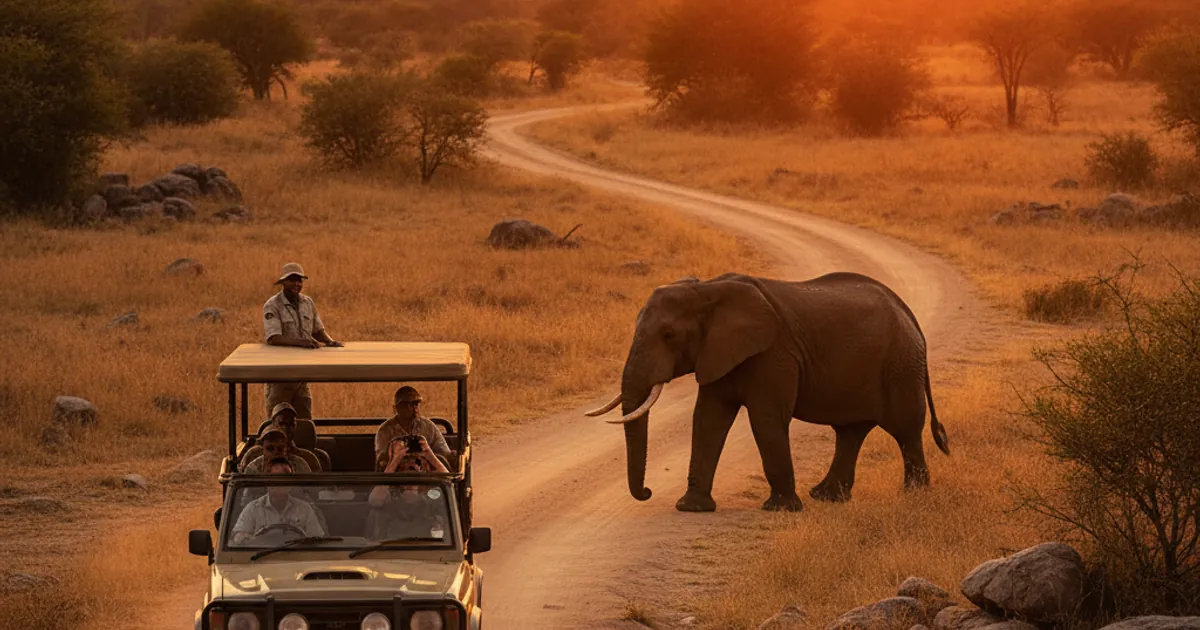
South Africa offers world-class safari experiences across Kruger National Park, private game reserves, and the malaria-free Eastern Cape - but it also presents unique safety considerations that set it apart from other African destinations. From urban crime awareness to Big Five wildlife encounters, this guide covers everything you need to travel safely.
Safety Overview
South Africa is a country of contrasts when it comes to safety. Its national parks and private game reserves are exceptionally well-managed and secure, with professional rangers, fenced camps, and established protocols. The tourism industry is mature and highly experienced. However, South Africa's cities - particularly Johannesburg, Cape Town, and Durban - have high crime rates that require visitors to exercise consistent vigilance.
The key to a safe South African safari is understanding the distinction between the well-protected tourism bubble and the broader urban environment. Visitors who follow sensible precautions and listen to local advice overwhelmingly have trouble-free trips. South Africa welcomes over 10 million international visitors annually and remains one of Africa's most popular and rewarding destinations.
Health and Vaccinations
Required and Recommended Vaccines
No vaccinations are legally required for entry to South Africa unless you are arriving from a yellow fever endemic country, in which case a yellow fever vaccination certificate is mandatory. Recommended vaccines include hepatitis A and B, typhoid, tetanus-diphtheria, and rabies. A visit to a travel clinic 6-8 weeks before departure is advised.
Malaria Risk
Malaria risk in South Africa is confined to the northeastern lowveld region - primarily Limpopo, Mpumalanga (including Kruger National Park), and northern KwaZulu-Natal. The risk is seasonal, peaking during the wet summer months from October to May. Prophylaxis is recommended for travel to these areas. Atovaquone-proguanil (Malarone) and doxycycline are the most commonly prescribed options.
If you prefer a malaria-free safari, the Eastern Cape offers excellent Big Five game reserves including Addo Elephant National Park, Shamwari, and Kariega. The Western Cape and Garden Route are also malaria-free. This makes South Africa uniquely appealing for families with young children and travellers who cannot take antimalarials.
Sun Exposure
South Africa's UV index is extreme, particularly in the Western Cape and highveld regions. Apply SPF 50+ sunscreen liberally, wear a wide-brimmed hat, and use UV-protective sunglasses. Open-vehicle game drives offer no shade - sunburn is one of the most common health complaints among safari visitors.
Wildlife Safety on Safari
Big Five Encounters
South Africa is the world's premier Big Five destination, home to healthy populations of lions, leopards, elephants, buffalo, and rhinos. On game drives, always remain inside the vehicle unless your guide explicitly permits you to exit. Never stand up in open safari vehicles when near predators. Keep voices low and movements slow - sudden noises can startle animals and trigger defensive behaviour.
Walking Safaris
Walking safaris are offered in Kruger and many private reserves. These are led by armed, experienced field guides and are among the most thrilling safari experiences available. Follow your guide's instructions without hesitation. Walk in single file, do not run if you encounter dangerous game, and wear neutral-coloured clothing. Walking safaris are generally restricted to guests aged 12-16 and above, depending on the operator.
Camp and Lodge Safety
Many safari camps in South Africa are unfenced, meaning wildlife can - and does - wander through. Hippos graze on lawns at night, elephants browse through camps, and hyenas investigate rubbish bins. Never walk unescorted after dark in unfenced camps. Most lodges provide walkway escorts and will collect you from your room for dinner. Keep doors and tent zips closed at all times. Never leave food in your room or tent.
Common Scams and How to Avoid Them
Tourist-targeted scams are more prevalent in cities than in safari areas:
- Car break-ins: Smash-and-grab theft at traffic lights is common in Johannesburg and Cape Town. Keep valuables out of sight, doors locked, and windows up at intersections.
- ATM scams: Card skimming and shoulder-surfing at ATMs occur. Use ATMs inside banks or shopping centres, shield your PIN, and check the card slot for tampering devices.
- Fake police: Individuals posing as plainclothes police may demand to inspect your wallet or documents. Genuine officers carry identification and will accompany you to a police station. Never hand over your wallet on the street.
- Township tour operators: Book township tours only through reputable, established companies. Avoid individuals soliciting at tourist hotspots.
- Rental car scams: When driving, be cautious of people flagging you down on the roadside. Use well-known rental agencies and ensure the car has working tracking devices.
Solo Travel Considerations
South Africa is manageable for solo travellers but demands more caution than many other African safari destinations. In cities, avoid walking alone after dark, do not display expensive jewellery or electronics, and use rideshare apps rather than hailing taxis on the street. In safari areas, solo travellers are generally very safe - lodges are welcoming and game drives are shared activities. Many operators offer single-supplement options for private rooms.
For solo drivers, plan routes in advance, keep doors locked, and avoid stopping in isolated areas. Major highways (N1, N2, N3, N4) are generally safe during daylight. Avoid the N1 between Johannesburg and Pretoria at night.
LGBTQ+ Safety
South Africa has one of the world's most progressive constitutions regarding LGBTQ+ rights - it was the fifth country globally to legalise same-sex marriage in 2006. Cape Town has a vibrant and visible LGBTQ+ scene, and Johannesburg and Durban also have active communities. The tourism industry is overwhelmingly LGBTQ+-friendly, and many lodges actively market to LGBTQ+ travellers.
However, societal attitudes vary. In rural areas and townships, conservative views are more common, and same-sex couples should exercise discretion. Despite legal protections, homophobic incidents do occur, primarily in lower-income urban areas. In safari contexts - lodges, reserves, and national parks - LGBTQ+ travellers should expect a welcoming and professional experience.
Emergency Contacts
Police: 10111
Ambulance: 10177
Emergency from mobile: 112
SA National Parks emergency: 013 735 4325 (Kruger)
Netcare 911 (private ambulance): 082 911
ER24 (private ambulance): 084 124
South Africa has both public and private healthcare systems. Private hospitals (Netcare, Mediclinic, Life Healthcare) offer world-class medical care. The private ambulance services (Netcare 911 and ER24) are highly professional and recommended over the state ambulance service. Ensure your travel insurance covers private medical treatment - public hospitals are overstretched and should be a last resort.
Valuables, Money, and Phones
The South African rand (ZAR) is the local currency. ATMs are widely available, and card payments are accepted almost everywhere in tourist areas. Apple Pay and Google Pay are increasingly accepted.
- Use a money belt or hidden pouch in cities - do not carry large amounts of cash visibly.
- Leave expensive watches and jewellery at home or in your hotel safe.
- Keep your phone in an inside pocket. Do not use your phone while walking in city centres.
- Make digital copies of all important documents (passport, insurance, permits) and store them in cloud storage.
- When driving, keep bags in the boot (trunk), not on seats visible through windows.
See our safari equipment guide for recommended anti-theft bags and secure travel accessories.
South Africa-Specific Risks
Carjacking
Carjacking is a significant concern in Johannesburg and, to a lesser extent, other major cities. It most commonly occurs at traffic lights, driveways, and petrol stations. If confronted, do not resist - comply with demands and hand over the vehicle. To reduce risk: keep doors locked and windows up, be alert at intersections, avoid driving with windows down, and use cars equipped with tracking devices. Rental cars from major agencies are generally equipped with trackers.
Ocean Safety
South Africa's coastline has powerful currents, particularly along the Wild Coast and KwaZulu-Natal south coast. Swim only at lifeguarded beaches. Shark nets protect many Durban and KZN beaches, but incidents - while rare - do occur. Follow local signage and flag warnings at all times.
Load Shedding
South Africa experiences periodic rolling power outages (load shedding) due to electricity supply constraints. This can affect traffic lights, ATMs, and security systems. Safari lodges and upmarket hotels have generators and are largely unaffected. Carry a small torch (flashlight) and keep your phone charged. Check the Eskom load shedding schedule for your area.
Road Safety
South African roads have a high accident rate. Drive defensively, obey speed limits, and be alert for pedestrians and livestock on rural roads. The N1, N2, and N3 highways carry heavy truck traffic. Fatigue-related accidents increase on long stretches. Take regular breaks and avoid driving at night outside cities.
For planning your South Africa safari timing, see our seasonal guide. Browse our best parks guide for top reserves. Also read our safety guides for nearby countries: Zimbabwe, Mozambique, and Tanzania.
Key Takeaways
- 1Safari areas and national parks are very safe — urban crime in Johannesburg and Cape Town requires the most vigilance
- 2Malaria risk is limited to the northeast (Kruger/Limpopo/KZN) — the Eastern Cape offers malaria-free Big Five safaris
- 3Carjacking is a real risk in cities: keep doors locked, windows up, and do not resist if confronted
- 4Use private ambulance services (Netcare 911: 082 911, ER24: 084 124) over the state service in emergencies
- 5South Africa is Africa's most LGBTQ+-friendly country with legal same-sex marriage since 2006
- 6Walking safaris require following armed guides' instructions without hesitation — never run from dangerous game
- 7Never walk unescorted after dark in unfenced safari camps — wildlife roams freely through lodge grounds
Frequently Asked Questions
Is South Africa safe for safari tourists?
Safari areas in South Africa are very safe. National parks like Kruger have professional rangers, well-maintained camps, and established safety protocols. Private game reserves are even more controlled. The crime concerns in South Africa primarily relate to urban areas - Johannesburg, parts of Cape Town, and Durban. By following basic urban safety precautions (not walking alone at night, keeping valuables hidden, using rideshare apps) and choosing reputable tour operators, the vast majority of visitors have trouble-free trips.
Do I need malaria tablets for Kruger National Park?
Yes, malaria prophylaxis is recommended for Kruger National Park and the surrounding Mpumalanga/Limpopo lowveld. Risk is highest during the wet summer months (October to May) but exists year-round. Atovaquone-proguanil (Malarone) and doxycycline are the most commonly prescribed options. If you prefer to avoid antimalarials entirely, consider a malaria-free Big Five reserve in the Eastern Cape instead.
What should I do if I am carjacked in South Africa?
Do not resist. Remain calm, comply with the demands, and hand over the vehicle and any belongings requested. Do not make eye contact or sudden movements. Once the carjackers have left, move to a safe location and call the police (10111) immediately. Report the incident to your rental car company, which can activate the vehicle tracker. Most rental cars from major agencies are fitted with tracking devices.
Is tap water safe to drink in South Africa?
Tap water in major cities (Johannesburg, Cape Town, Durban, Pretoria) is treated to international standards and is safe to drink. In rural areas and smaller towns, bottled or filtered water is recommended. Most safari lodges provide filtered or bottled water as standard.
Are there malaria-free safari options in South Africa?
Yes, this is one of South Africa's great advantages. The Eastern Cape has several excellent malaria-free Big Five reserves including Addo Elephant National Park, Shamwari Game Reserve, Kariega Game Reserve, and Kwandwe Private Game Reserve. The entire Western Cape, Garden Route, and most of KwaZulu-Natal's inland areas are also malaria-free. These are ideal for families with young children and travellers who cannot take antimalarials.