Your First Safari: Everything You Need to Know
Published 19 May 2026
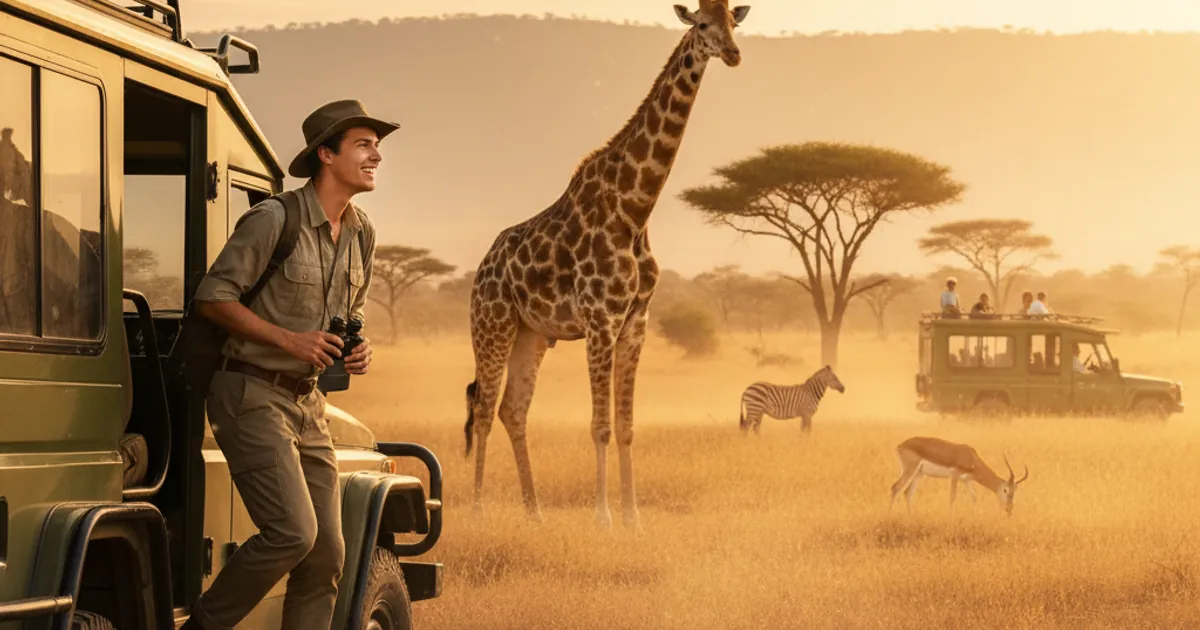
What to Expect on Your First Safari
An African safari is one of the most extraordinary travel experiences on the planet. Whether you've dreamed of watching lions stalk through golden grass or elephants silhouetted against a blazing sunset, your first safari will exceed every expectation - if you prepare properly. This guide covers everything you need to know before you go, so you can focus on the magic instead of the logistics.
The Typical Safari Day
Safari days follow a rhythm dictated by the animals themselves. Most wildlife is active in the cooler hours, which shapes the entire schedule:
- 05:00–05:30: Wake-up call, tea or coffee at the main lodge
- 06:00–09:30: Morning game drive - the best time for predator activity
- 10:00: Full breakfast back at camp
- 10:30–15:00: Rest time - read, swim, nap, or enjoy a bush walk
- 15:30–16:00: Afternoon tea and snacks
- 16:00–18:30: Afternoon/sunset game drive
- 19:30–20:00: Dinner, often around a campfire (boma)
Some lodges also offer night drives after dinner, using a spotlight to find nocturnal species like aardvarks, bushbabies, and leopards on the hunt. The early mornings are non-negotiable - this is when you'll see the most action.
Game Drive Vehicles
The vehicle you'll ride in depends on your destination and budget. In East Africa (Kenya, Tanzania), most safari vehicles are modified 4x4 Land Cruisers with pop-up roofs, allowing you to stand and photograph over the roof. In Southern Africa, open-sided Land Rovers or Land Cruisers with tiered seating are the norm in private reserves, offering unobstructed 360-degree views.
Group sizes matter. The best experiences keep vehicles to 6–8 guests maximum. Some luxury operators guarantee private vehicles for your party alone. If you're booking a budget safari, ask about group sizes before committing.
Guided Safari vs Self-Drive
There are two fundamentally different ways to experience a safari:
- Guided safari: A professional guide drives and tracks animals for you. They know animal behaviour, birdcalls, and every track in the mud. This is the standard in East Africa and most private reserves. Ideal for first-timers.
- Self-drive safari: You rent a 4x4 and navigate national parks yourself using maps and GPS. Popular in South Africa (Kruger National Park), Namibia (Etosha), and parts of Botswana. More affordable but requires confidence driving on dirt roads and spotting animals yourself.
For your first safari, a guided experience is strongly recommended. The difference a good guide makes cannot be overstated - they will find animals you'd drive straight past.
Accommodation Types
Safari accommodation spans a remarkable range:
- Permanent lodges: Brick-and-mortar buildings with hotel-like amenities - en-suite bathrooms, air conditioning, swimming pools. The most comfortable option.
- Tented camps: Canvas tents on raised platforms, often with proper beds, flush toilets, and hot showers. The classic safari experience - you hear every sound of the bush.
- Mobile/fly camps: Lightweight camps that move with the wildlife (especially during the Great Migration). More rustic, but incredibly immersive.
- Budget camping: Public campsites in national parks where you pitch your own tent or rent a basic cabin. The cheapest option.
Don't underestimate tented camps - high-end versions rival five-star hotels while keeping you connected to the wild. Check out our safari lodge directory to compare options across Africa.
What Animals Will You See?
The Big Five - lion, leopard, elephant, rhino, and buffalo - are on every first-timer's list, and with good reason. But Africa's wildlife goes far beyond these icons. On a typical week-long safari, you can expect to see:
- Giraffes, zebras, wildebeest, and various antelope species (impala, kudu, eland)
- Hippos and crocodiles in rivers and waterholes
- Hyenas (spotted and brown), jackals, and wild dogs if you're lucky
- Hundreds of bird species - from lilac-breasted rollers to martial eagles
- Primates including baboons and vervet monkeys
Browse our wildlife database to learn about species you might encounter, and use our best parks guide to pick a destination that matches your wishlist.
What to Wear on Safari
Clothing choices matter more than you might think:
- Neutral colours only: Khaki, olive, tan, brown, beige. Avoid white (gets filthy), black and dark navy (attract tsetse flies), and bright colours (can startle animals).
- Layer up: Mornings are surprisingly cold - even in Africa, pre-dawn temperatures can drop to 5–10°C. Bring a warm fleece and a windbreaker.
- Sun protection: Wide-brimmed hat, UV-protective sunglasses, SPF 50 sunscreen.
- Closed shoes: Sturdy walking shoes or boots for bush walks. Sandals are fine around camp.
For a detailed gear list, see our safari equipment guide and complete packing list.
Tipping Etiquette
Tipping is customary on safari and an important part of staff income. General guidelines:
- Safari guide: US$10–20 per person per day
- Tracker: US$5–10 per person per day
- Camp/lodge staff: US$10–20 per person per day (shared tip box)
- Transfer drivers: US$5–10 per transfer
Tips are usually given in US dollars (bring small bills - $1, $5, $10, $20). Some lodges provide envelopes and guidance on the last day. Use our trip cost calculator to budget for tips alongside other expenses.
Camera Basics for Safari
You don't need professional gear to get stunning safari photos, but a few fundamentals help enormously:
- Zoom lens: A 100–400mm or similar telephoto is ideal. Animals are often closer than you'd expect, but a long lens captures details beautifully.
- Fast shutter speed: Set 1/1000s or higher for moving animals.
- Burst mode: Shoot in continuous mode during action - you can delete the bad ones later.
- Beanbag: Rest your lens on a beanbag on the vehicle door for stability. Far better than a tripod in a moving vehicle.
Staying Safe on Safari
Safari is remarkably safe if you follow basic rules:
- Never leave the vehicle unless your guide says it's safe
- Keep arms and legs inside the vehicle at all times
- Don't stand up suddenly or make loud noises near animals
- Follow your guide's instructions without question
- At camp: Don't walk between your tent and the main area after dark without an escort
For country-specific safety advice, read our guides on safari safety in South Africa, Kenya, and Tanzania. Also see our overview of the safest safari countries in Africa.
When to Book (And How Far Ahead)
Safari planning timelines depend on your destination and travel dates:
- Peak season (Jul–Oct): Book 9–12 months ahead, especially for popular lodges in the Masai Mara, Serengeti, and Okavango Delta
- Shoulder season (May–Jun, Nov): 6–9 months ahead is usually sufficient
- Green/low season (Dec–Apr): 3–6 months ahead, with better availability and lower prices
Popular lodges with just 6–10 rooms fill up quickly. If you have specific dates and a dream lodge in mind, don't delay.
Visa Considerations
Most safari destinations offer visas on arrival or e-visas, but processing times and requirements vary:
- Kenya: eTA (electronic travel authorisation) required in advance
- Tanzania: e-Visa or visa on arrival (US$50)
- South Africa: Many nationalities visa-free for 90 days
- Botswana: Visa-free for most Western passport holders
- Rwanda: Visa on arrival (US$30) or e-Visa
Always check your specific passport's requirements at least 3 months before travel. Some countries require 6 months' validity on your passport and blank pages for stamps.
Ready to start planning? Use our trip cost calculator to estimate your budget, browse the best safari parks to pick a destination, and explore Africa's incredible wildlife to build your sighting wishlist.