The 8 Safest Countries for Safari in Africa (2026 Guide)
Published 26 April 2026
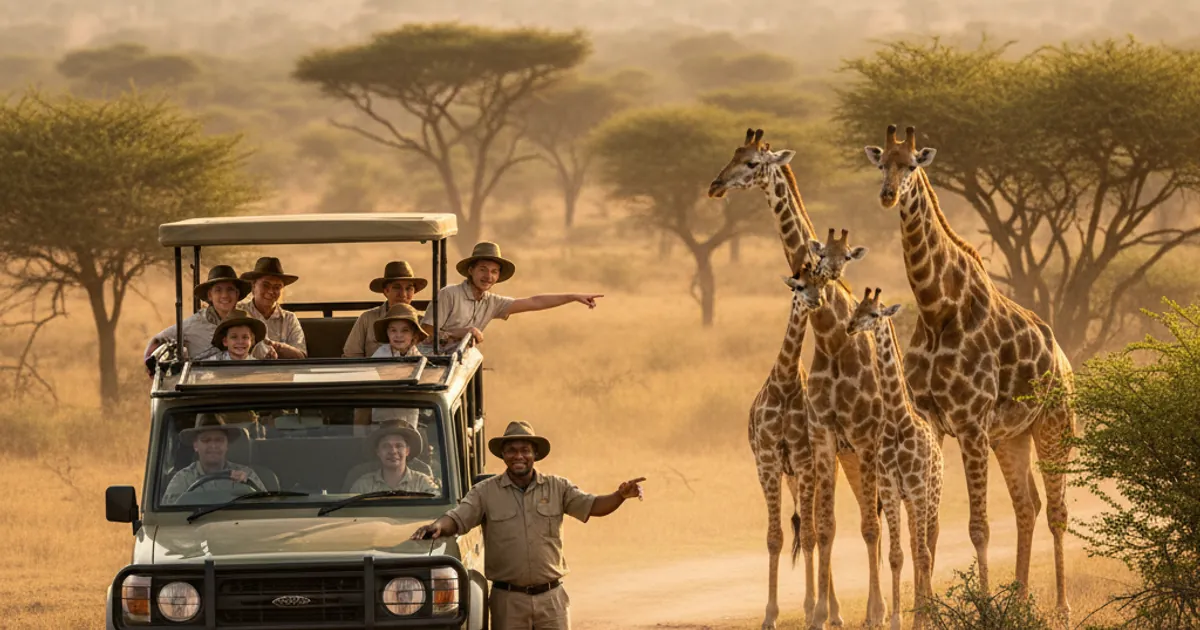
One of the most common questions first-time safari-goers ask is: "Is it safe?" The honest answer is that Africa is a vast continent with enormous variation, but several countries have excellent safety records for tourists - particularly within national parks and established safari circuits. Violent crime against tourists in these destinations is extremely rare, and the infrastructure is well-developed.
This guide ranks eight countries by their overall safety profile for safari visitors in 2026. We've considered political stability, tourism infrastructure, crime statistics relevant to travellers, health risks, and the quality of in-park security. For details on the best parks to visit, see our 15 best safari parks in Africa.
1. Botswana
Africa's Safest Safari Destination
Botswana consistently ranks as the safest country in sub-Saharan Africa for tourists. It is a stable, well-governed democracy with low crime rates, excellent tourism infrastructure, and a deliberate high-value, low-volume tourism policy that keeps visitor numbers manageable and parks uncrowded.
What to watch for: Wildlife itself is the primary hazard - hippos, elephants, and crocodiles demand respect. Follow your guide's instructions at all times, especially in the Okavango Delta where walking and mokoro safaris bring you close to large animals.
Key parks: Okavango Delta, Chobe National Park, Moremi Game Reserve, Central Kalahari Game Reserve.
Health: Malaria is present in the north (Okavango, Chobe). Prophylaxis recommended. The south (Kalahari) is generally malaria-free.
2. Namibia
Safe, Scenic, and Self-Drive Friendly
Namibia is one of Africa's most popular self-drive destinations, and for good reason - the roads are well-maintained, crime is low, and the sparse population means you'll often have the landscape to yourself. The country has been politically stable since independence in 1990.
What to watch for: Driving distances are long and some gravel roads are remote. Always carry extra water and fuel, and avoid driving at night (livestock and wildlife on roads). Petty theft can occur in Windhoek - use common sense with valuables.
Key parks: Etosha National Park, Sossusvlei, Skeleton Coast, Damaraland.
Health: Malaria risk in the northern regions (Etosha, Caprivi Strip). The south is malaria-free.
3. Rwanda
Africa's Remarkable Turnaround
Rwanda has undergone one of the most extraordinary transformations in modern African history. Today, Kigali is one of the cleanest, safest capital cities on the continent, and the country's tourism sector is world-class. Gorilla trekking in Volcanoes National Park is run with military precision, and safety standards are exceptional.
What to watch for: Rwanda is remarkably safe. The terrain for gorilla trekking is steep and physically demanding - ensure you're reasonably fit. Plastic bags are banned throughout the country (a good environmental policy to be aware of when packing).
Key parks: Volcanoes National Park, Akagera National Park, Nyungwe Forest National Park.
Health: Malaria risk exists across Rwanda. Prophylaxis recommended. Yellow fever vaccination required for entry from some countries.
4. Tanzania
East Africa's Safari Powerhouse
Tanzania hosts some of Africa's most iconic parks - the Serengeti, Ngorongoro, and Kilimanjaro - and its northern safari circuit is well-established, safe, and efficiently run. Most visitors experience Tanzania exclusively through organised safari operators, which adds an additional layer of security.
What to watch for: Petty crime can occur in Dar es Salaam and on Zanzibar - avoid walking alone at night in urban areas. Within national parks, safety is excellent. Use only licensed tour operators (TATO-registered).
Key parks: Serengeti, Ngorongoro, Tarangire, Lake Manyara, Ruaha, Selous (Nyerere).
Health: Malaria is widespread. Prophylaxis essential. Yellow fever vaccination required if arriving from an endemic country.
5. Kenya
The Original Safari Destination
Kenya invented the modern safari, and the Masai Mara remains one of the world's great wildlife destinations. The safari circuit (Mara, Amboseli, Samburu, Laikipia) is well-patrolled and safe. Kenya's tourism industry is mature and professional, with excellent guides and lodges.
What to watch for: Nairobi has a reputation for petty crime - take taxis (not matatus) and avoid walking in unfamiliar areas after dark. The coastal region south of Lamu has experienced security concerns in the past; check current travel advisories. Within the safari circuit, security is excellent.
Key parks: Masai Mara, Amboseli, Samburu, Laikipia, Tsavo.
Health: Malaria risk in most safari areas. Prophylaxis recommended. The highland areas around Nairobi are lower risk.
6. South Africa
World-Class Infrastructure with Urban Caveats
South Africa offers the most developed tourism infrastructure in Africa. National parks - especially Kruger and the private reserves - are safe, well-managed, and offer everything from budget self-drive to ultra-luxury. The reserves near Cape Town are particularly accessible.
What to watch for: Urban crime in Johannesburg and Cape Town is a real concern - avoid walking in unfamiliar areas, use Uber, and don't display expensive equipment. Within national parks and private reserves, safety is excellent. The contrast between urban risk and in-park safety is stark.
Key parks: Kruger National Park, Addo Elephant Park, Hluhluwe-iMfolozi, Kgalagadi Transfrontier Park.
Health: Malaria risk in the Kruger/Limpopo region only. The Western Cape, Eastern Cape, and KwaZulu-Natal coast are malaria-free.
7. Zambia
Welcoming, Peaceful, and Underrated
Zambia is one of Africa's most peaceful nations, with no history of civil conflict or political instability since independence. Zambians are famously friendly, and the safari experience - particularly walking safaris in South Luangwa - is intimate and personal. Victoria Falls (Livingstone side) is safe and well-managed.
What to watch for: Lusaka has the usual urban petty crime risks - keep valuables out of sight. Some rural roads are in poor condition. Walking safaris involve close proximity to dangerous wildlife - trust your guide completely.
Key parks: South Luangwa, Lower Zambezi, Kafue, Victoria Falls (Mosi-oa-Tunya).
Health: Malaria is present throughout. Prophylaxis essential.
8. Zimbabwe
A Safari Giant Returning to Form
Zimbabwe's political turbulence has made headlines, but within its national parks, the safari experience is outstanding and safe. Hwange, Mana Pools, and Matobo Hills are world-class, and the guiding standards - forged through one of the most rigorous qualification systems in Africa - are second to none.
What to watch for: The economic situation means ATMs and card payments can be unreliable - carry US dollars in cash. Political protests occasionally occur in Harare and Bulawayo; these rarely affect tourist areas. Within parks and safari lodges, safety is excellent.
Key parks: Hwange, Mana Pools, Matobo Hills, Gonarezhou.
Health: Malaria risk in all safari areas. Prophylaxis essential.
General Safari Safety Tips
Regardless of which country you visit, these principles apply everywhere:
- Never leave your vehicle in Big 5 areas unless accompanied by a qualified guide.
- Use reputable operators - book through established safari companies with verifiable reviews.
- Take malaria seriously - prophylaxis, DEET-based repellent, and long sleeves at dusk save lives.
- Secure your valuables - use lodge safes and avoid displaying expensive equipment in urban areas.
- Get travel insurance - ensure it covers medical evacuation (essential for remote safari areas).
- Respect wildlife distances - animals are wild and unpredictable, no matter how calm they appear.
For more on what to bring, visit our safari equipment guide. Learn more about specific destinations in our knowledge hub, or browse the 15 best safari parks in Africa to start planning your trip. If you're focusing on South Africa, read our Cape Town reserves guide and the best private game reserves.
The Bottom Line
Africa is far safer than most first-timers expect. The countries on this list have welcomed millions of safari visitors without incident, and the wildlife - not crime - is the primary thing you need to be sensible about. Choose a reputable operator, follow your guide's advice, take malaria precautions, and you'll come home with nothing but extraordinary memories.