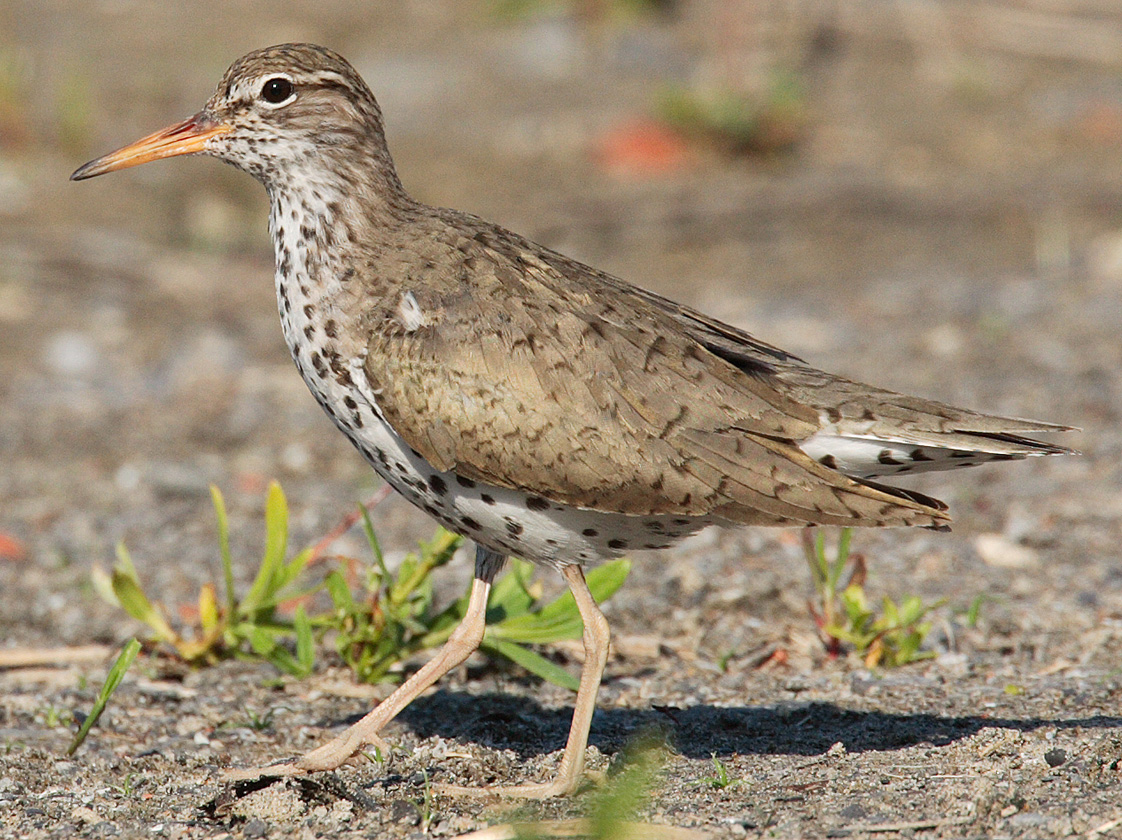
Where to see Spotted Sandpiper
The parks with the most verified sightings, out of 200+ safari areas where it has been recorded.
- 1Zona Especial de Preservação Histórico-CulturalRarePark
Northeast Coast & Caatinga, Brazil · Rare
- 2Parque Estadual do MongeRareLodges
São Paulo & Southern Atlantic Forest, Brazil · Rare
- 3Parque Ecológico Cultural do SahyRarePark
Southeast Atlantic Forest (Rio de Janeiro & Espírito Santo), Brazil · Rare
- 4Parque Estadual da Pedra BrancaRarePark
Southeast Atlantic Forest (Rio de Janeiro & Espírito Santo), Brazil · Rare
- 5Parque Estadual do MendanhaRarePark
Southeast Atlantic Forest (Rio de Janeiro & Espírito Santo), Brazil · Rare
Common: 500+ verified sightings. Occasional: 50 to 499. Rare: under 50.
Spotted Sandpiper: FAQs
Where can you see Spotted Sandpiper on safari?
The parks with the most research-grade GBIF and iNaturalist records of Spotted Sandpiper are Zona Especial de Preservação Histórico-Cultural, Parque Estadual do Monge and Parque Ecológico Cultural do Sahy. It is recorded in 200+ safari areas in all.
Is the spotted sandpiper endangered?
The IUCN Red List assesses the spotted sandpiper as Least Concern.
Spotted something wrong? Suggest a correction
About the spotted sandpiper
The spotted sandpiper is a small shorebird. Together with its sister species the common sandpiper, it makes up the genus Actitis. They replace each other geographically; stray birds may settle down with breeders of the other species and hybridize.
Adapted from Wikipedia, CC BY-SA 4.0.