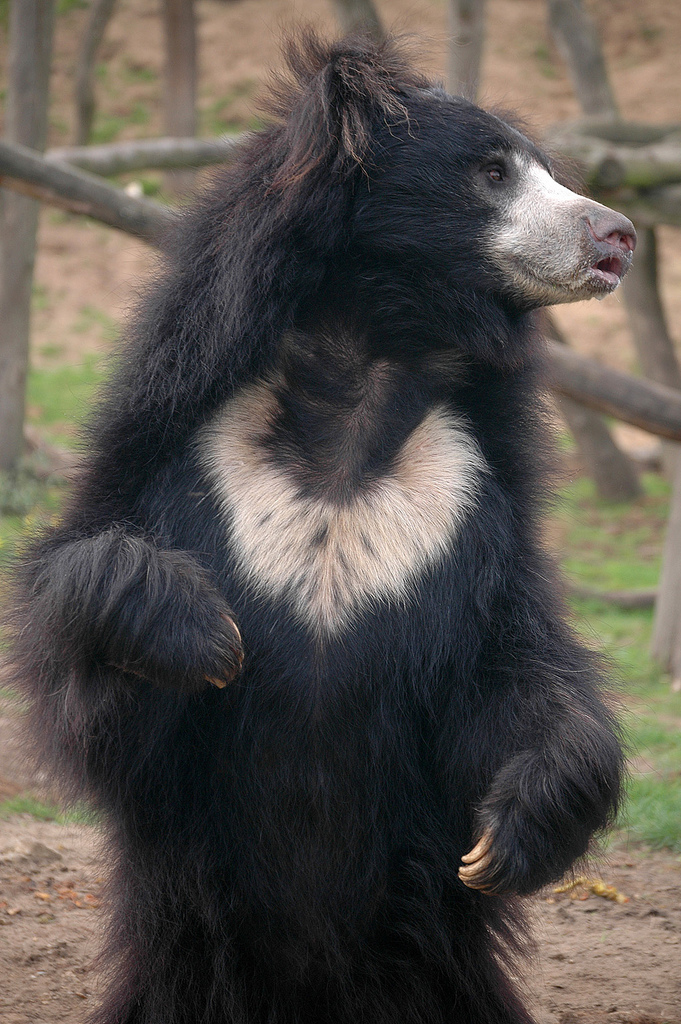
Where to see Sloth Bear
The parks with the most verified sightings, out of 34 safari areas where it has been recorded.
- 1Katagamuwa SanctuaryOccasionalLodges
Southern & Southeastern Dry Zone, Sri Lanka · Occasional
- 2Kataragama SanctuaryOccasionalLodges
Southern & Southeastern Dry Zone, Sri Lanka · Occasional
- 3Yala National Park - Block 1OccasionalPark
Southern & Southeastern Dry Zone, Sri Lanka · Occasional
- 4Yala National Park - Block 2OccasionalLodges
Southern & Southeastern Dry Zone, Sri Lanka · Occasional
- 5Yala Strict Nature ReserveOccasionalPark
Southern & Southeastern Dry Zone, Sri Lanka · Occasional
Common: 500+ verified sightings. Occasional: 50 to 499. Rare: under 50.
Sloth Bear facts
Quick facts
Facts sourced from Wikidata (CC0).
Best months to spot
Most sightings recorded in Feb, Mar, May, Nov, Dec. Data from GBIF - a global database of verified wildlife observations by researchers and citizen scientists.
Conservation status
Faces a high risk of extinction in the wild.
Sloth bears face significant threats from habitat loss and degradation, as well as human-wildlife conflict. While conservation efforts are ongoing, their populations are declining. Responsible safari tourism helps protect sloth bears by providing economic incentives for local communities to conserve their habitat and by raising awareness about the importance of protecting these unique animals.
Conservation hubSloth Bear: FAQs
Where can you see Sloth Bear on safari?
The parks with the most research-grade GBIF and iNaturalist records of Sloth Bear are Katagamuwa Sanctuary, Kataragama Sanctuary and Yala National Park - Block 1. It is recorded in 34 safari areas in all.
Is the sloth bear endangered?
The IUCN Red List assesses the sloth bear as Vulnerable.
When is the best time to see Sloth Bear?
Most sightings of Sloth Bear are logged in Feb, Mar, May, Nov, Dec, going by the months of research-grade records; it can be seen year-round where it lives.
Spotted something wrong? Suggest a correction
About the sloth bear
The sloth bear, also known as the Indian bear, is a myrmecophagous bear species native to the Indian subcontinent. It feeds on fruits, ants and termites. It is listed as vulnerable on the IUCN Red List, mainly because of habitat loss and degradation. It is the only species in the genus Melursus.
Adapted from Wikipedia, CC BY-SA 4.0.