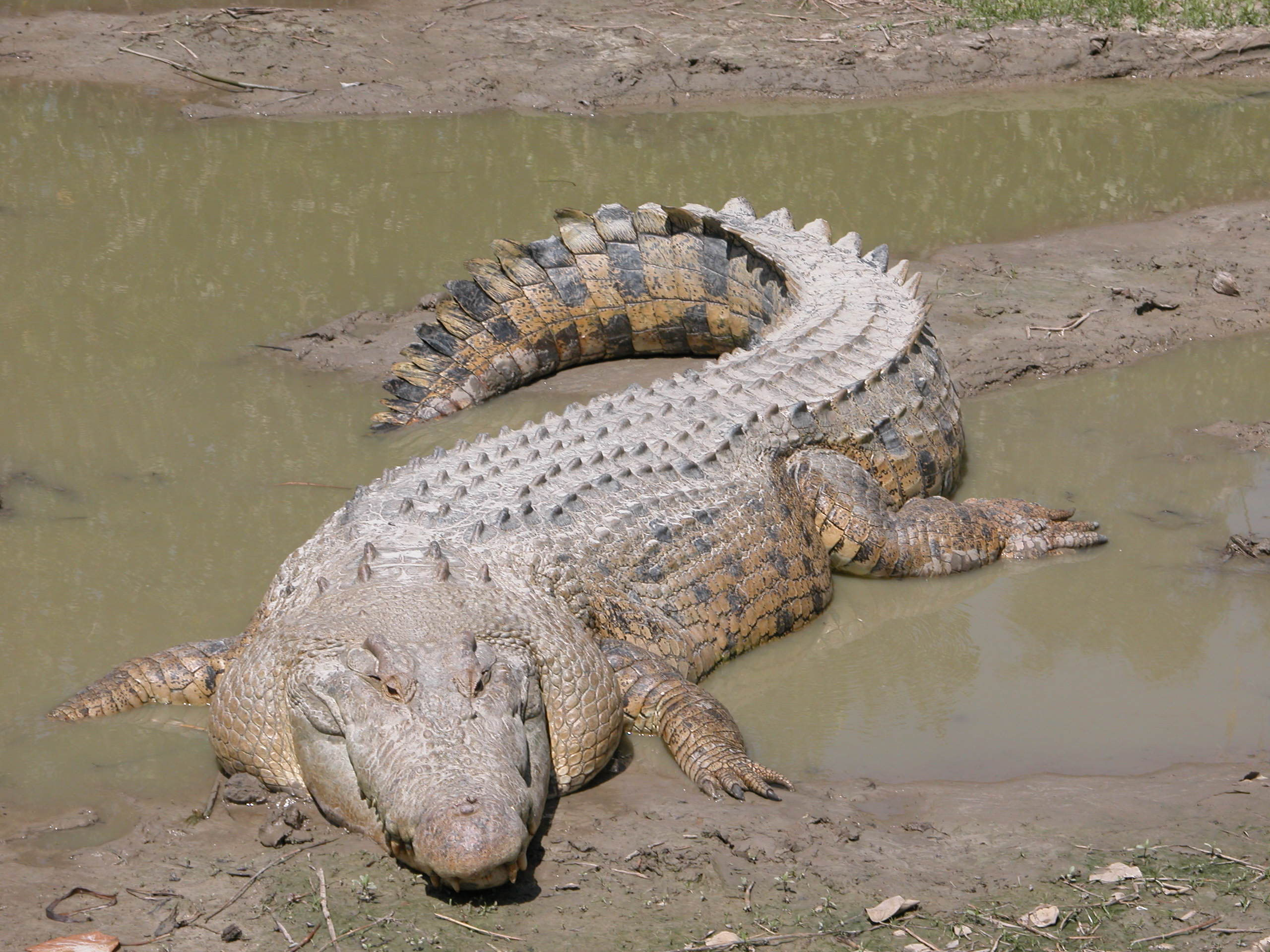
Where to see Saltwater Crocodile
The parks with the most verified sightings, out of 79 safari areas where it has been recorded.
- 1Mount Spurgeon National ParkCommonLodges
Far North Queensland & Cape York, Australia · Common
- 2Mount Lewis National ParkCommonLodges
Far North Queensland & Cape York, Australia · Common
- 3Daintree National ParkCommonLodges
Far North Queensland & Cape York, Australia · Common
- 4Fan Palm Conservation ReserveCommonLodges
Far North Queensland & Cape York, Australia · Common
- 5Hope Islands National ParkCommonLodges
Far North Queensland & Cape York, Australia · Common
Common: 500+ verified sightings. Occasional: 50 to 499. Rare: under 50.
Saltwater Crocodile facts
Best months to spot
Most sightings recorded in Jul, Aug. Data from GBIF - a global database of verified wildlife observations by researchers and citizen scientists.
Saltwater Crocodile: FAQs
Where can you see Saltwater Crocodile on safari?
The parks with the most research-grade GBIF and iNaturalist records of Saltwater Crocodile are Mount Spurgeon National Park, Mount Lewis National Park and Daintree National Park. It is recorded in 79 safari areas in all.
Is the saltwater crocodile endangered?
The IUCN Red List assesses the saltwater crocodile as Least Concern.
When is the best time to see Saltwater Crocodile?
Most sightings of Saltwater Crocodile are logged in Jul, Aug, going by the months of research-grade records; it can be seen year-round where it lives.
Spotted something wrong? Suggest a correction
About the saltwater crocodile
The saltwater crocodile is a crocodilian native to saltwater habitats, brackish wetlands and freshwater rivers from India's east coast across Southeast Asia and the Sundaland to northern Australia and Micronesia. It has been listed as Least Concern on the IUCN Red List since 1996. It was hunted for its skin throughout its range up to the 1970s, and is threatened by illegal killing and habitat loss. It is regarded as dangerous to humans.
Adapted from Wikipedia, CC BY-SA 4.0.