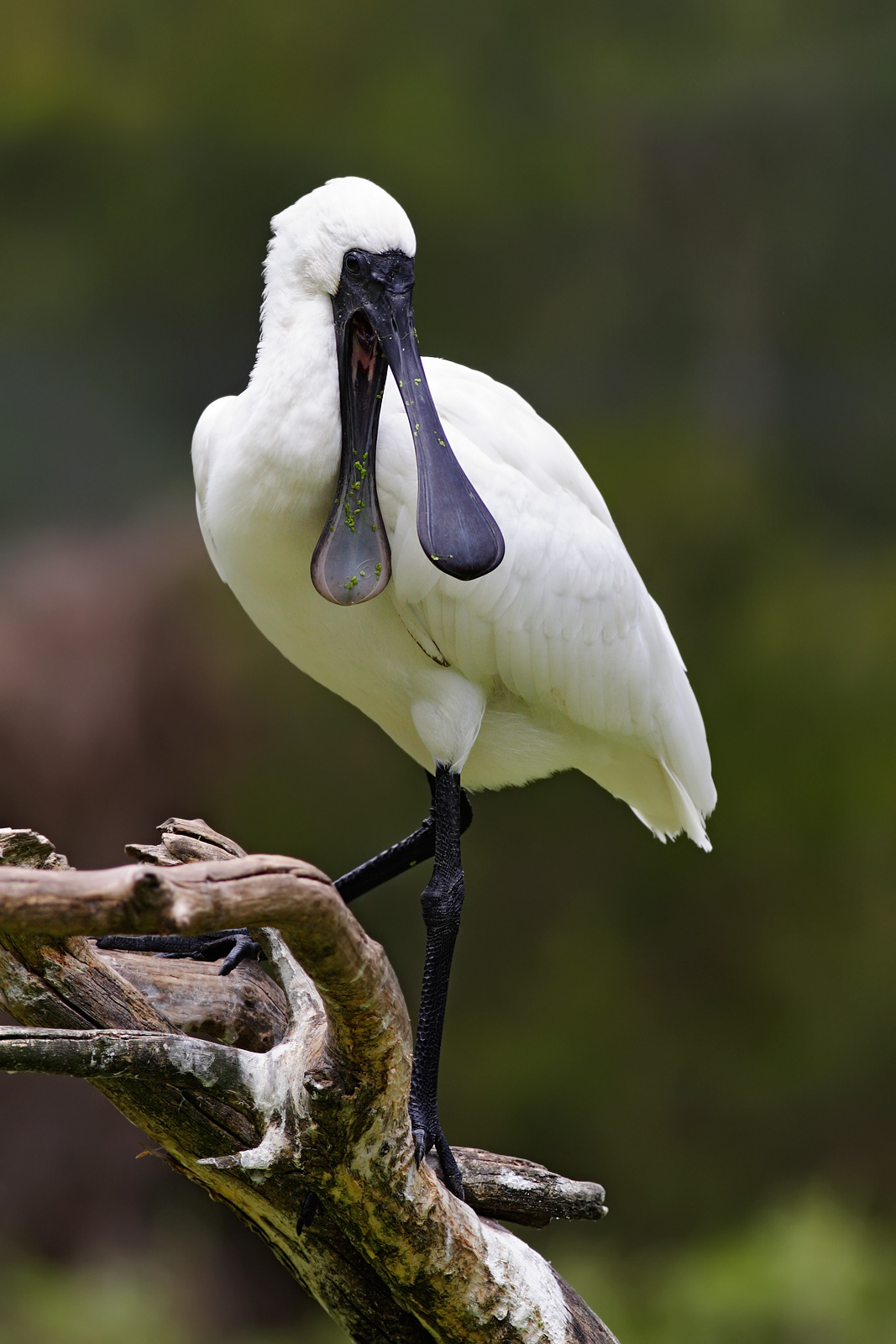
Where to see Royal Spoonbill
The parks with the most verified sightings, out of 200+ safari areas where it has been recorded.
- 1Lake Bindegolly National ParkOccasionalLodges
Central & Southern Queensland, Australia · Occasional
- 2Kaimai Mamaku Conservation ParkRareLodges
Northern North Island, New Zealand · Rare
- 3Whakarewarewa Conservation ParkRareLodges
Southern North Island, New Zealand · Rare
- 4Abel Tasman National ParkRareLodges
Northern & Western South Island, New Zealand · Rare
- 5Onekaka River Conservation ParkRareLodges
Northern & Western South Island, New Zealand · Rare
Common: 500+ verified sightings. Occasional: 50 to 499. Rare: under 50.
Royal Spoonbill facts
Quick facts
Facts sourced from Wikidata (CC0).
Royal Spoonbill: FAQs
Where can you see Royal Spoonbill on safari?
The parks with the most research-grade GBIF and iNaturalist records of Royal Spoonbill are Lake Bindegolly National Park, Kaimai Mamaku Conservation Park and Whakarewarewa Conservation Park. It is recorded in 200+ safari areas in all.
Is the royal spoonbill endangered?
The IUCN Red List assesses the royal spoonbill as Least Concern.
Spotted something wrong? Suggest a correction
About the royal spoonbill
The royal spoonbill, also known as the black-billed spoonbill lives in intertidal flats and shallows of fresh and saltwater wetlands in Australia, New Zealand, Indonesia, Papua New Guinea, and the Solomon Islands. It has also been recorded as a vagrant in New Caledonia. It is one of 6 spoonbill species world wide. The royal spoonbill lives in wetlands and feeds on crustaceans, fish and small insects by sweeping its bill from side to side. It always flies with its head extended. Widespread throughout its large range, the royal spoonbill is evaluated as Least Concern on the IUCN Red List of Threatened Species.
Adapted from Wikipedia, CC BY-SA 4.0.