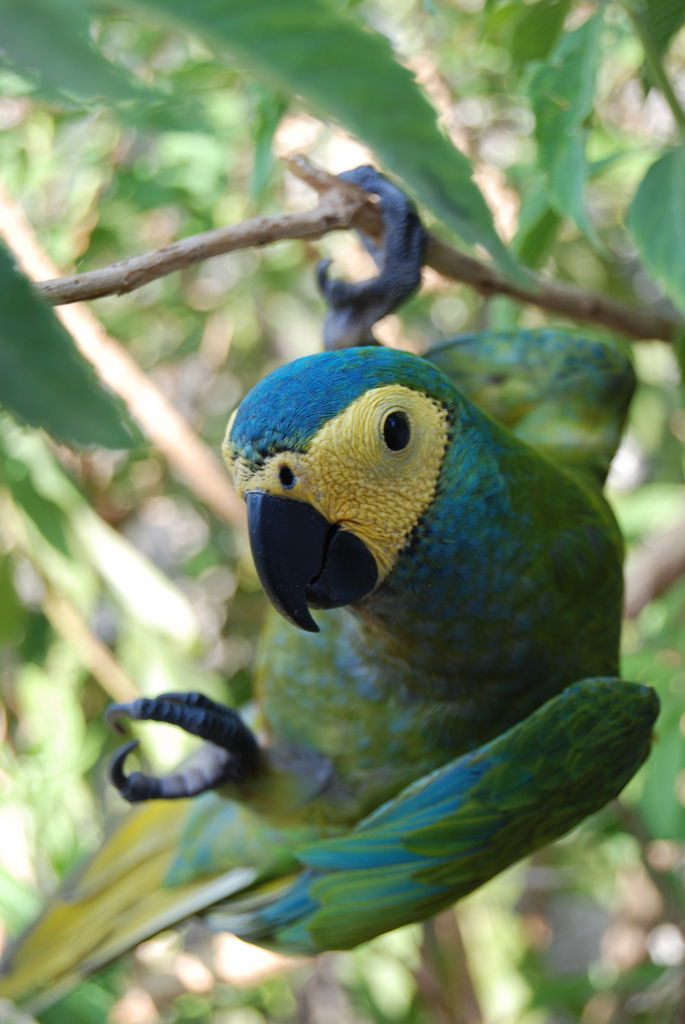
Where to see Red-bellied Macaw
The parks with the most verified sightings, out of 27 safari areas where it has been recorded.
- 1Parque Nacional Tingo MaríaOccasionalLodges
Central Andes & Amazon Foothills, Peru · Occasional
- 2Parque Estadual de Terra RoncaRareLodges
Central Cerrado & Highlands, Brazil · Rare
- 3Parque Estadual do Pau FuradoRarePark
Central Cerrado & Highlands, Brazil · Rare
- 4Reserva de Producción Faunística CuyabenoRareLodges
Northern Amazon Basin, Ecuador · Rare
- 5Parque Nacional da Chapada dos GuimarãesRareLodges
Central Cerrado & Highlands, Brazil · Rare
Common: 500+ verified sightings. Occasional: 50 to 499. Rare: under 50.
Conservation status
Faces a very high risk of extinction in the wild.
The red-bellied macaw faces threats from habitat loss due to deforestation and the illegal pet trade. While specific recovery programs are limited, conservation efforts focus on protecting its natural habitat, particularly the Amazon rainforest. Responsible safari tourism helps by raising awareness, funding local conservation initiatives through park fees, and providing economic alternatives to activities that harm wildlife.
Conservation hubRed-bellied Macaw: FAQs
Where can you see Red-bellied Macaw on safari?
The parks with the most research-grade GBIF and iNaturalist records of Red-bellied Macaw are Parque Nacional Tingo María, Parque Estadual de Terra Ronca and Parque Estadual do Pau Furado. It is recorded in 27 safari areas in all.
Is the red-bellied macaw endangered?
The IUCN Red List assesses the red-bellied macaw as Endangered.
Spotted something wrong? Suggest a correction
About the red-bellied macaw
The red-bellied macaw, also known as Guacamaya manilata, is a medium-sized, mostly green parrot, a member of a group of large Neotropical parrots known as macaws. It is the largest of what are commonly called "mini-macaws". The belly has a large maroon patch which gives the species its name.
Adapted from Wikipedia, CC BY-SA 4.0.