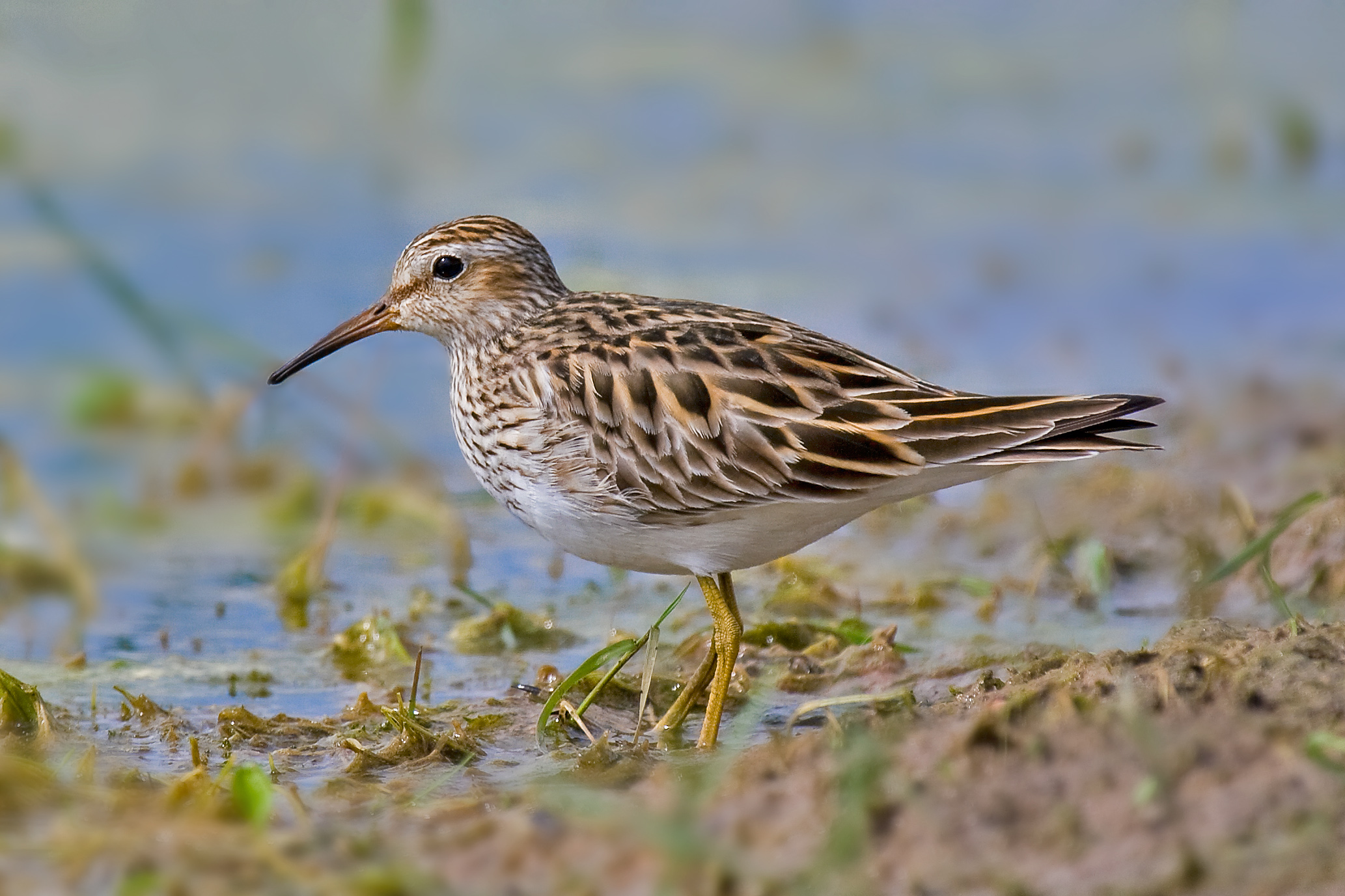
Where to see Pectoral Sandpiper
The parks with the most verified sightings, out of 126 safari areas where it has been recorded.
- 1Fish Point Provincial Nature ReserveOccasionalPark
Great Lakes & Southern Ontario, Canada · Occasional
- 2Lighthouse Point Provincial Nature ReserveOccasionalPark
Great Lakes & Southern Ontario, Canada · Occasional
- 3Point Pelee National ParkOccasionalLodges
Great Lakes & Southern Ontario, Canada · Occasional
- 4Parque Natural PichiluliRareLodges
Central Andes & Amazon Foothills, Peru · Rare
- 5Cuyahoga Valley National ParkRareLodges
Great Lakes & Heartland, United States · Rare
Common: 500+ verified sightings. Occasional: 50 to 499. Rare: under 50.
Pectoral Sandpiper facts
Quick facts
Facts sourced from Wikidata (CC0).
Pectoral Sandpiper: FAQs
Where can you see Pectoral Sandpiper on safari?
The parks with the most research-grade GBIF and iNaturalist records of Pectoral Sandpiper are Fish Point Provincial Nature Reserve, Lighthouse Point Provincial Nature Reserve and Point Pelee National Park. It is recorded in 126 safari areas in all.
Is the pectoral sandpiper endangered?
The IUCN Red List assesses the pectoral sandpiper as Least Concern.
Spotted something wrong? Suggest a correction
About the pectoral sandpiper
The pectoral sandpiper, often abbreviated pec, is a small, migratory wader that breeds in arctic regions of North America and Asia, wintering in South America and Oceania. It eats small invertebrates. Its nest, a hole scraped in the ground and with a thick lining, is deep enough to protect its four eggs from the cool breezes of its breeding grounds. The pectoral sandpiper is 19–23 cm (7.5–9.1 in) long, with a wingspan of 38–46 cm (15–18 in).
Adapted from Wikipedia, CC BY-SA 4.0.