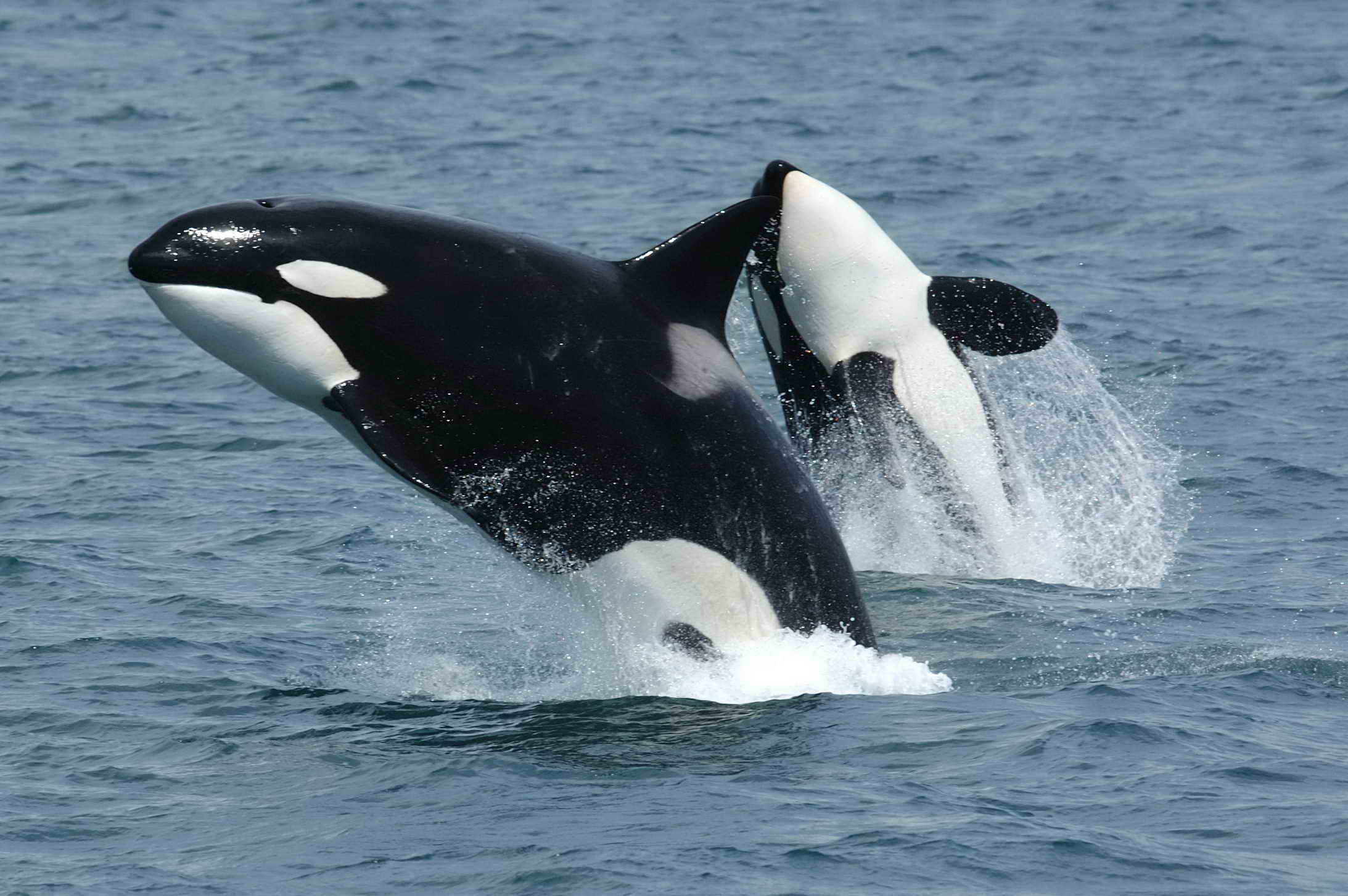
Where to see Orca
The parks with the most verified sightings, out of 24 safari areas where it has been recorded.
- 1Gulf Islands National Park ReserveCommonLodges
Pacific Coast & Interior British Columbia, Canada · Common
- 2Wildlife ReserveCommonLodges
Pacific Coast & Interior British Columbia, Canada · Common
- 3Pacific Rim National Park Reserve - West Coast Trail UnitOccasionalLodges
Pacific Coast & Interior British Columbia, Canada · Occasional
- 4Bremer Marine ParkOccasionalLodges
South West Western Australia, Australia · Occasional
- 5Bremer National Park ZoneOccasionalPark
South West Western Australia, Australia · Occasional
Common: 500+ verified sightings. Occasional: 50 to 499. Rare: under 50.
Orca facts
Quick facts
Facts sourced from Wikidata (CC0).
Best months to spot
Most sightings recorded in Apr, May, Jun, Jul, Aug, Nov. Data from GBIF - a global database of verified wildlife observations by researchers and citizen scientists.
Orca: FAQs
Where can you see Orca on safari?
The parks with the most research-grade GBIF and iNaturalist records of Orca are Gulf Islands National Park Reserve, Wildlife Reserve and Pacific Rim National Park Reserve - West Coast Trail Unit. It is recorded in 24 safari areas in all.
When is the best time to see Orca?
Most sightings of Orca are logged in Apr, May, Jun, Jul, Aug, Nov, going by the months of research-grade records; it can be seen year-round where it lives.
Spotted something wrong? Suggest a correction
About the orca
The orca, or killer whale, is a toothed whale and the largest member of the oceanic dolphin family. The only extant species in the genus Orcinus, it is recognizable by its distinct pigmentation; being mostly black on top, white on the bottom and having recognizable white eye patches. A cosmopolitan species, it inhabits a wide range of marine environments, from Arctic to Antarctic regions to tropical seas, but is more commonly documented in temperate or cooler coastal waters. Scientists have proposed dividing the global population into races, subspecies, or possibly even species.
Adapted from Wikipedia, CC BY-SA 4.0.