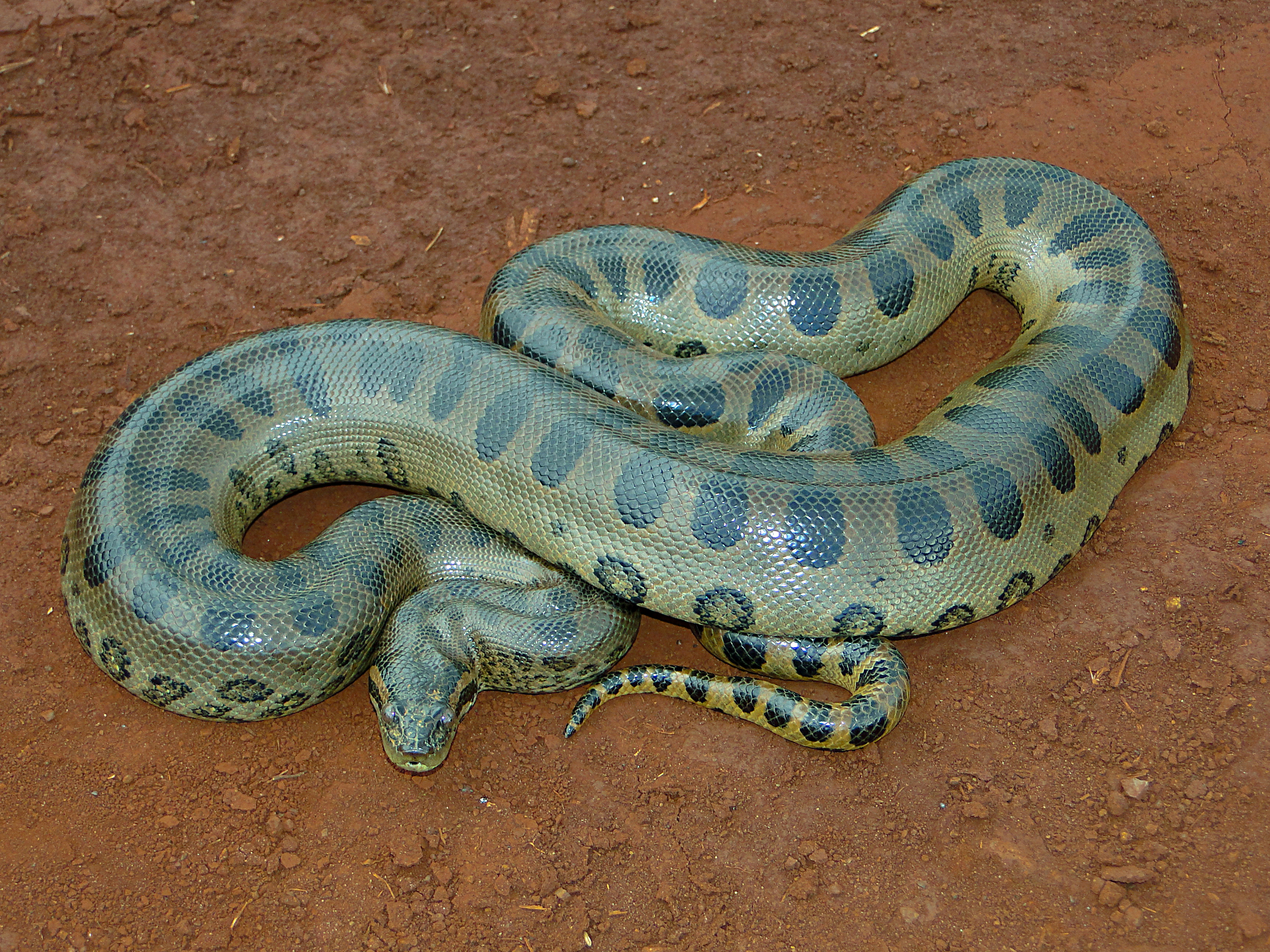
Where to see Green Anaconda
The parks with the most verified sightings, out of 4 safari areas where it has been recorded.
- 1Reserva de Producción Faunística CuyabenoRareLodges
Northern Amazon Basin, Ecuador · Rare
- 2Quebrada CocoayaRareLodges
Northern Amazon Basin, Ecuador · Rare
- 3Parque Nacional das EmasRareLodges
Pantanal & Western Rivers, Brazil · Rare
- 4Parque Nacional Nascentes do Lago JariRarePark
Amazon & Northern Brazil, Brazil · Rare
Common: 500+ verified sightings. Occasional: 50 to 499. Rare: under 50.
Green Anaconda facts
Best months to spot
Most sightings recorded in Feb, Mar, Jul. Data from GBIF - a global database of verified wildlife observations by researchers and citizen scientists.
Green Anaconda: FAQs
Where can you see Green Anaconda on safari?
The parks with the most research-grade GBIF and iNaturalist records of Green Anaconda are Reserva de Producción Faunística Cuyabeno, Quebrada Cocoaya and Parque Nacional das Emas. It is recorded in 4 safari areas in all.
Is the green anaconda endangered?
The IUCN Red List assesses the green anaconda as Least Concern.
When is the best time to see Green Anaconda?
Most sightings of Green Anaconda are logged in Feb, Mar, Jul, going by the months of research-grade records; it can be seen year-round where it lives.
Spotted something wrong? Suggest a correction
About the green anaconda
The green anaconda, common anaconda, common water boa, akayima, or sucuri, is a boa species found in South America. It is one of the longest and heaviest known extant snake species. Like all boas, it is a non-venomous constrictor. Green anacondas generally have a life expectancy of 10 years in the wild, although some specimens live longer when they are taken care of in captivity. Green anacondas live in tropical rainforests and tend to prefer shallow, slow-moving waters, such as streams, rivers and flooded grasslands. They spend most of their time in the water but are also found on land in thick vegetation.
Adapted from Wikipedia, CC BY-SA 4.0.