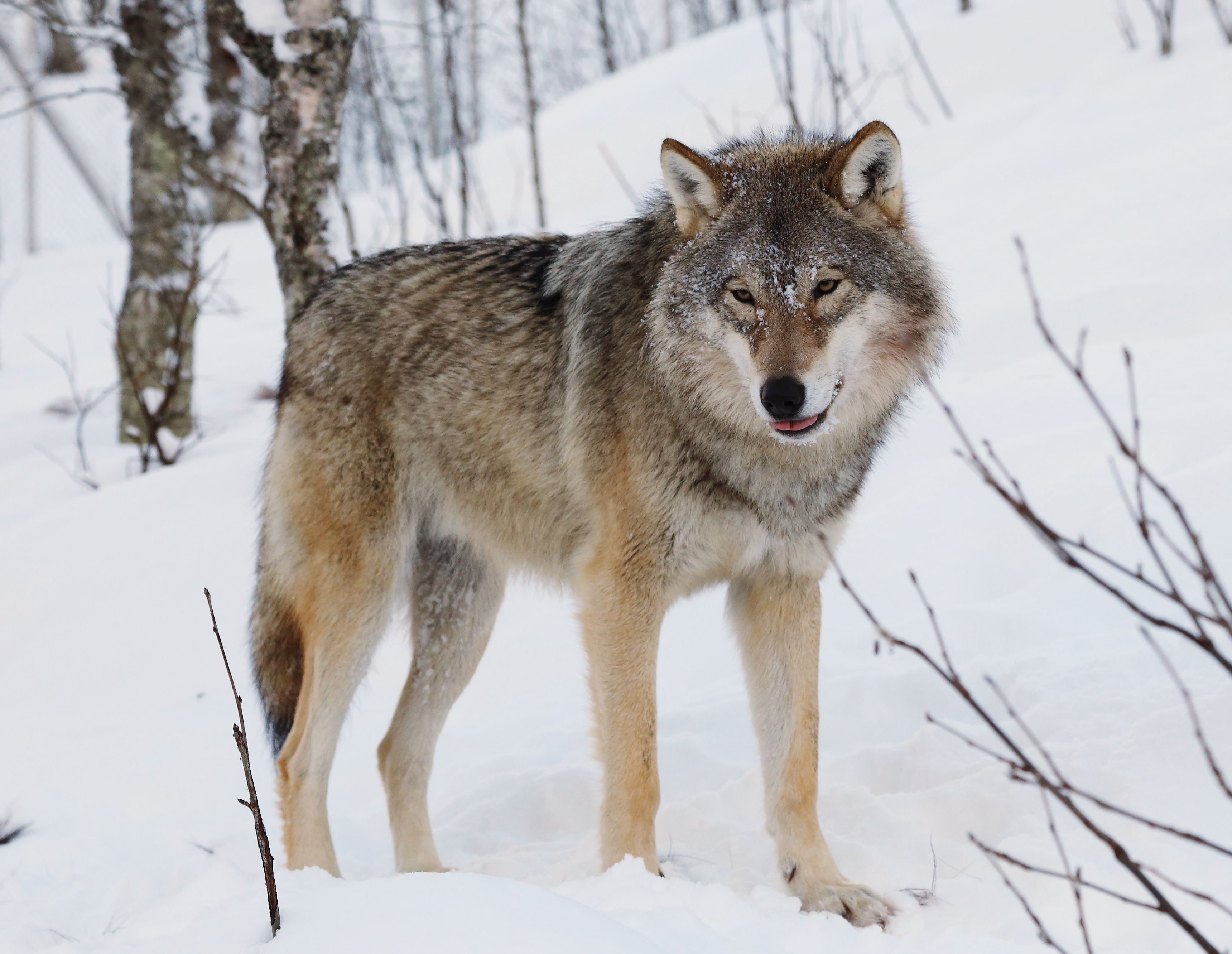
Where to see Gray Wolf
The parks with the most verified sightings, out of 200+ safari areas where it has been recorded.
- 1Parque Nacional La CampanaCommonLodges
Central Chile & Valleys, Chile · Common
- 2Berowra Valley National ParkCommonLodges
New South Wales & ACT, Australia · Common
- 3Mount Imlay National ParkCommonLodges
New South Wales & ACT, Australia · Common
- 4Yiraaldiya National ParkCommonLodges
New South Wales & ACT, Australia · Common
- 5Mount Jerusalem National ParkCommonLodges
Central & Southern Queensland, Australia · Common
Common: 500+ verified sightings. Occasional: 50 to 499. Rare: under 50.
Gray Wolf facts
Quick facts
Facts sourced from Wikidata (CC0).
Best months to spot
Most sightings recorded in Jun, Jul, Aug. Data from GBIF - a global database of verified wildlife observations by researchers and citizen scientists.
Gray Wolf: FAQs
Where can you see Gray Wolf on safari?
The parks with the most research-grade GBIF and iNaturalist records of Gray Wolf are Parque Nacional La Campana, Berowra Valley National Park and Mount Imlay National Park. It is recorded in 200+ safari areas in all.
Is the gray wolf endangered?
The IUCN Red List assesses the gray wolf as Least Concern.
When is the best time to see Gray Wolf?
Most sightings of Gray Wolf are logged in Jun–Aug, going by the months of research-grade records; it can be seen year-round where it lives.
Spotted something wrong? Suggest a correction
About the gray wolf
The wolf, also known as the grey wolf or gray wolf, is a canine native to Eurasia and North America. More than thirty subspecies of Canis lupus have been recognized, including the dog and dingo, though grey wolves, as popularly understood, include only naturally occurring wild subspecies. The wolf is the largest wild extant member of the family Canidae, and is further distinguished from other Canis species by its less pointed ears and muzzle, as well as a shorter torso and a longer tail. The wolf is nonetheless related closely enough to smaller Canis species, such as the coyote and the golden jackal, to produce fertile hybrids with them. The wolf's fur is usually mottled white, brown, grey, and black, although subspecies in the arctic region may be nearly all white.
Adapted from Wikipedia, CC BY-SA 4.0.