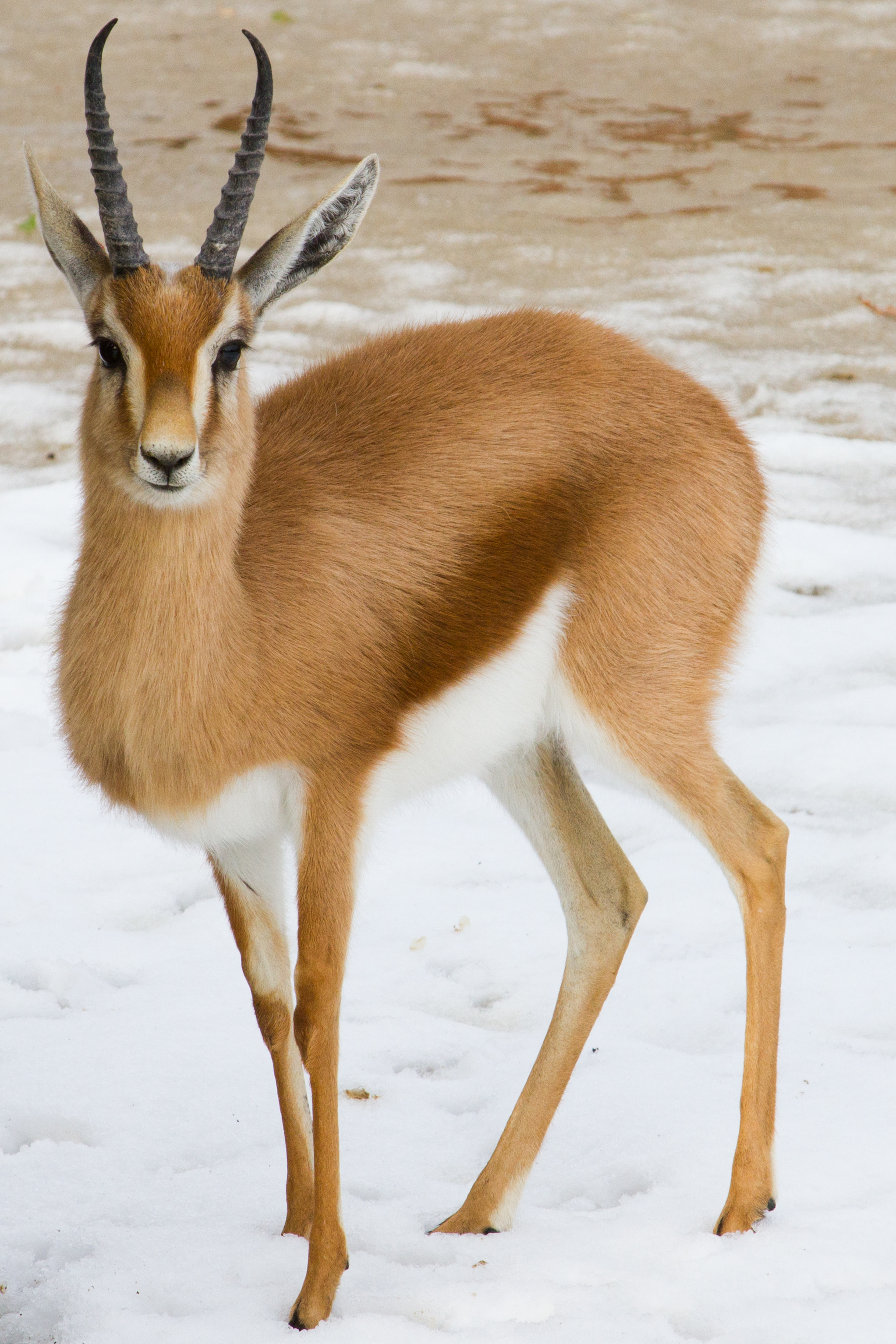
Where to see Dorcas Gazelle
The parks with the most verified sightings, out of 3 safari areas where it has been recorded.
- 1Parc National de Souss-MassaRareLodges
Southwest Atlantic Coast & Souss Valley, Morocco · Rare
- 2Place Al AMALRareLodges
Southwest Atlantic Coast & Souss Valley, Morocco · Rare
- 3Parc National d'IriquiRareLodges
Southern Anti-Atlas & Sahara Gateway, Morocco · Rare
Common: 500+ verified sightings. Occasional: 50 to 499. Rare: under 50.
Dorcas Gazelle facts
Quick facts
Facts sourced from Wikidata (CC0).
Best months to spot
Most sightings recorded in Mar. Data from GBIF - a global database of verified wildlife observations by researchers and citizen scientists.
Conservation status
Faces a high risk of extinction in the wild.
The dorcas gazelle faces threats from habitat loss and hunting. While specific large-scale recovery programs are not widely publicized, conservation efforts in protected areas help safeguard populations. Responsible safari tourism can aid their protection by funding anti-poaching patrols and supporting local communities, thereby reducing pressure on gazelle habitats.
Conservation hubDorcas Gazelle: FAQs
Where can you see Dorcas Gazelle on safari?
The parks with the most research-grade GBIF and iNaturalist records of Dorcas Gazelle are Parc National de Souss-Massa, Place Al AMAL and Parc National d'Iriqui. It is recorded in 3 safari areas in all.
Is the dorcas gazelle endangered?
The IUCN Red List assesses the dorcas gazelle as Vulnerable.
When is the best time to see Dorcas Gazelle?
Most sightings of Dorcas Gazelle are logged in Mar, going by the months of research-grade records; it can be seen year-round where it lives.
Spotted something wrong? Suggest a correction
About the dorcas gazelle
The dorcas gazelle, also known as the ariel gazelle, is a small and common gazelle. The dorcas gazelle stands about 55–65 cm at the shoulder, with a head and body length of 90–110 cm and a weight of 15–20 kg. The numerous subspecies survive on vegetation in grassland, steppe, wadis, mountain desert and in semidesert climates of Africa and Arabia. About 35,000–40,000 exist in the wild.
Adapted from Wikipedia, CC BY-SA 4.0.