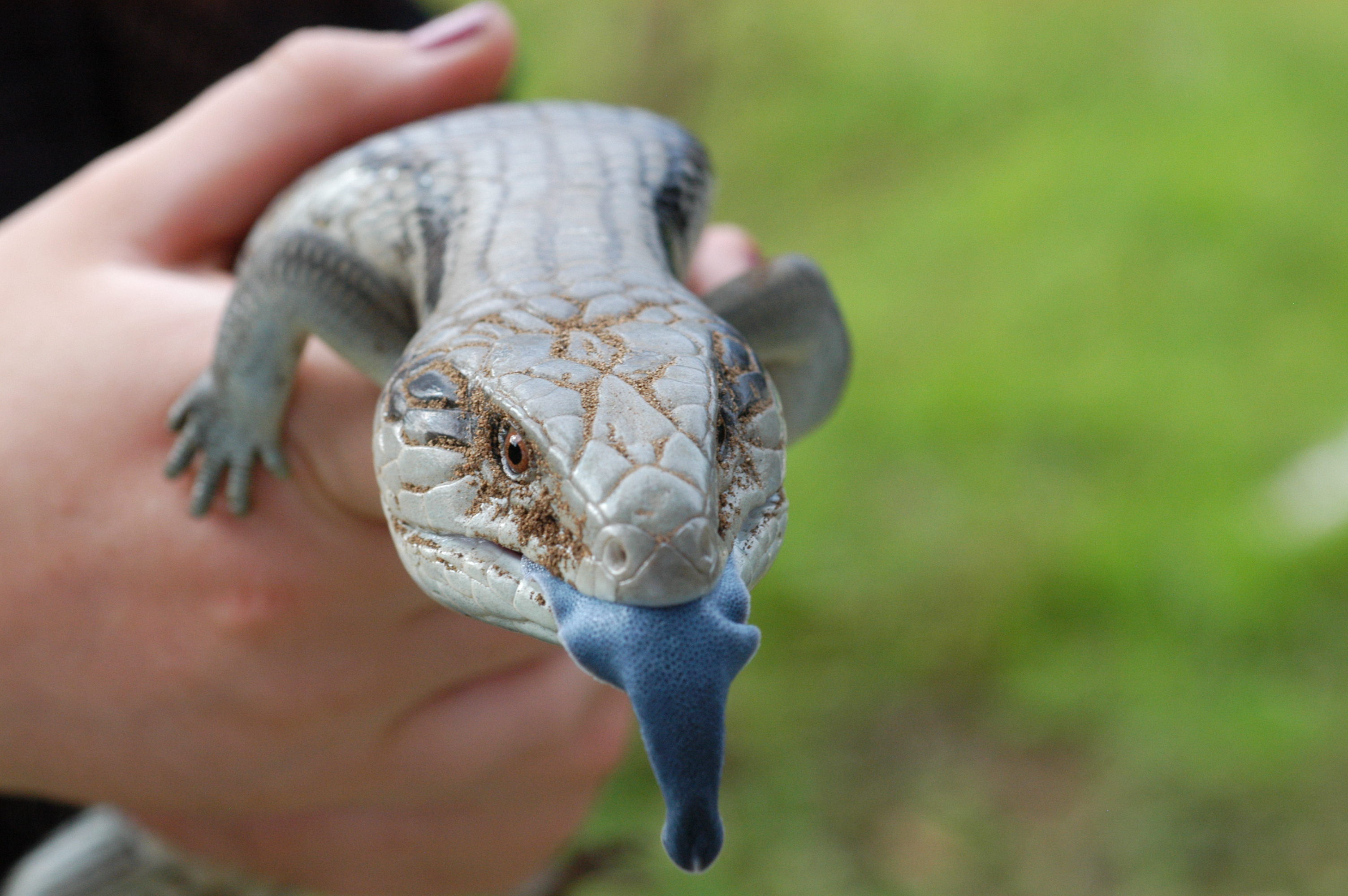
Where to see Common Bluetongue
The parks with the most verified sightings, out of 200+ safari areas where it has been recorded.
- 1Lane Cove National ParkCommonLodges
New South Wales & ACT, Australia · Common
- 2Gandangara State Conservation AreaCommonLodges
New South Wales & ACT, Australia · Common
- 3Berowra Valley National ParkCommonLodges
New South Wales & ACT, Australia · Common
- 4Garigal National ParkCommonLodges
New South Wales & ACT, Australia · Common
- 5Sydney Harbour National ParkCommonLodges
New South Wales & ACT, Australia · Common
Common: 500+ verified sightings. Occasional: 50 to 499. Rare: under 50.
Common Bluetongue facts
Best months to spot
Most sightings recorded in Jan, Sep, Oct, Nov, Dec. Data from GBIF - a global database of verified wildlife observations by researchers and citizen scientists.
Common Bluetongue: FAQs
Where can you see Common Bluetongue on safari?
The parks with the most research-grade GBIF and iNaturalist records of Common Bluetongue are Lane Cove National Park, Gandangara State Conservation Area and Berowra Valley National Park. It is recorded in 200+ safari areas in all.
Is the common bluetongue endangered?
The IUCN Red List assesses the common bluetongue as Least Concern.
When is the best time to see Common Bluetongue?
Most sightings of Common Bluetongue are logged in Sep–Jan, going by the months of research-grade records; it can be seen year-round where it lives.
Spotted something wrong? Suggest a correction
About the common bluetongue
Tiliqua scincoides is a species of lizard in the subfamily Egerniinae of the family Scincidae (skinks). The species is native to Australia as well Tanimbar Island. There are three recognized subspecies.
Adapted from Wikipedia, CC BY-SA 4.0.