Conservation Status
Conservation hubFaces a high risk of extinction in the wild.
The black-capped kingfisher faces threats from habitat loss and degradation due to deforestation and agricultural expansion. While specific recovery programs are limited, conservation efforts often focus on protecting its forest and wetland habitats, which benefits many species. Responsible safari tourism can help by raising awareness, supporting local conservation initiatives through park fees, and providing economic incentives for communities to protect wildlife and their environments.
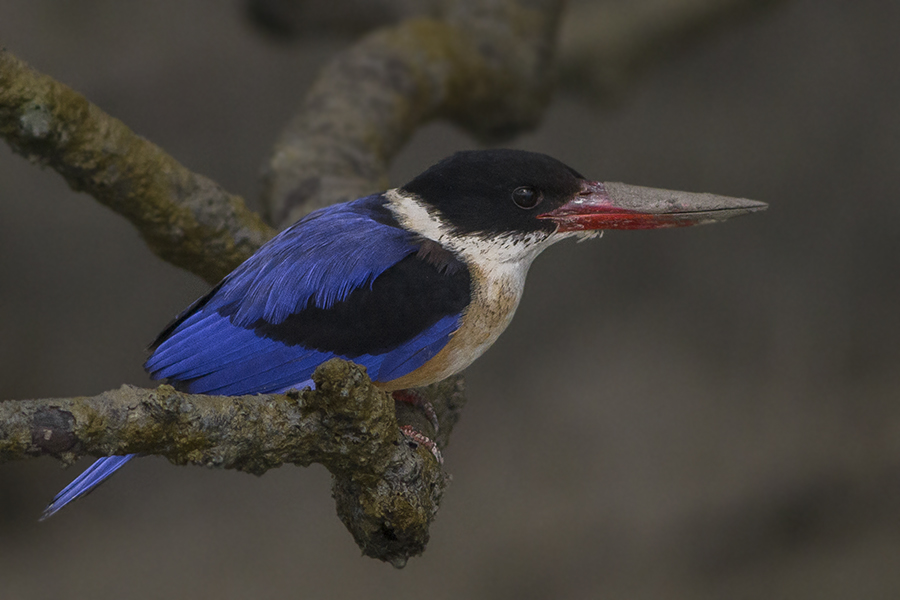
The black-capped kingfisher is a tree kingfisher which is widely distributed in tropical Asia from India east to China, Korea and Southeast Asia. This most northerly of the tree kingfishers is resident over much of its range, but northern populations are migratory, wintering south of their range in Sri Lanka, Thailand, Borneo and Java. It is distinctive in having a black cap that contrasts with the whitish throat, purple-blue wings and the coral red bill. The species is mainly found in coastal and mangrove habitats but can sometimes be found far inland.
Description adapted from Wikipedia, CC BY-SA 4.0.
Where to Find
Top parks for Black-capped Kingfisher. Sightings recorded in 66 safari areas total.
Best Safari Destinations
Loading safari destinations...
Ready to see Black-capped Kingfisher in the wild?
Use our tools to find the right park and plan your trip.