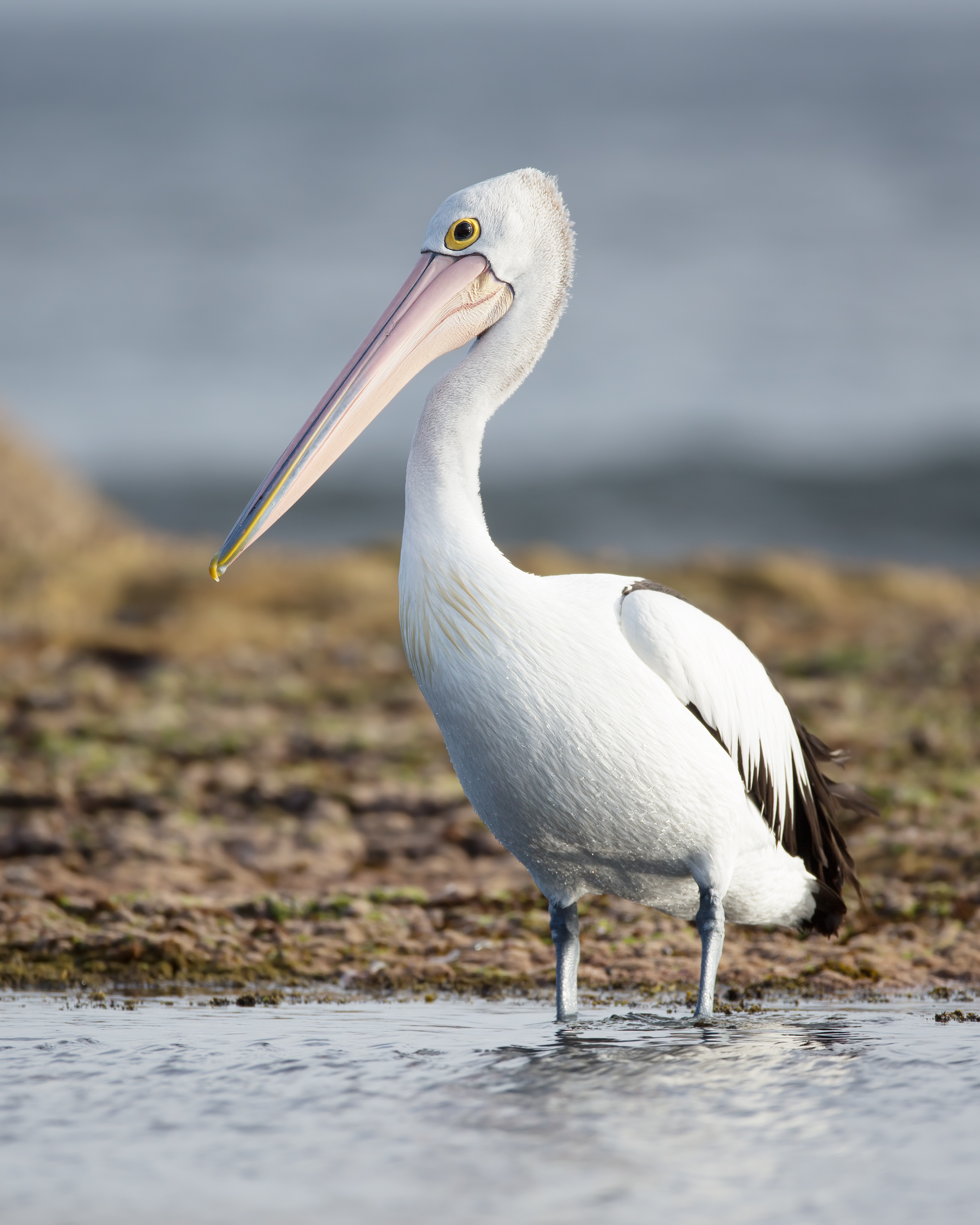
Where to see Australian Pelican
The parks with the most verified sightings, out of 200+ safari areas where it has been recorded.
- 1Trinkey State Conservation AreaCommonLodges
New South Wales & ACT, Australia · Common
- 2Wondoba State Conservation AreaCommonLodges
New South Wales & ACT, Australia · Common
- 3Lake Bindegolly National ParkOccasionalLodges
Central & Southern Queensland, Australia · Occasional
- 4Kinchega National ParkOccasionalLodges
Victoria & Western NSW Riverlands, Australia · Occasional
- 5Bobbiwaa State Conservation AreaOccasionalPark
New South Wales & ACT, Australia · Occasional
Common: 500+ verified sightings. Occasional: 50 to 499. Rare: under 50.
Australian Pelican: FAQs
Where can you see Australian Pelican on safari?
The parks with the most research-grade GBIF and iNaturalist records of Australian Pelican are Trinkey State Conservation Area, Wondoba State Conservation Area and Lake Bindegolly National Park. It is recorded in 200+ safari areas in all.
Is the australian pelican endangered?
The IUCN Red List assesses the australian pelican as Least Concern.
Spotted something wrong? Suggest a correction
About the australian pelican
The Australian pelican is a large waterbird in the family Pelecanidae, widespread on the inland and coastal waters of Australia and New Guinea, also in Fiji, parts of Indonesia and as a vagrant in New Zealand. It is a predominantly white bird with black wings and a pink bill. It has been recorded as having the longest bill of any living bird. It mainly eats fish, but will also consume birds and scavenge for scraps if the opportunity arises.
Adapted from Wikipedia, CC BY-SA 4.0.