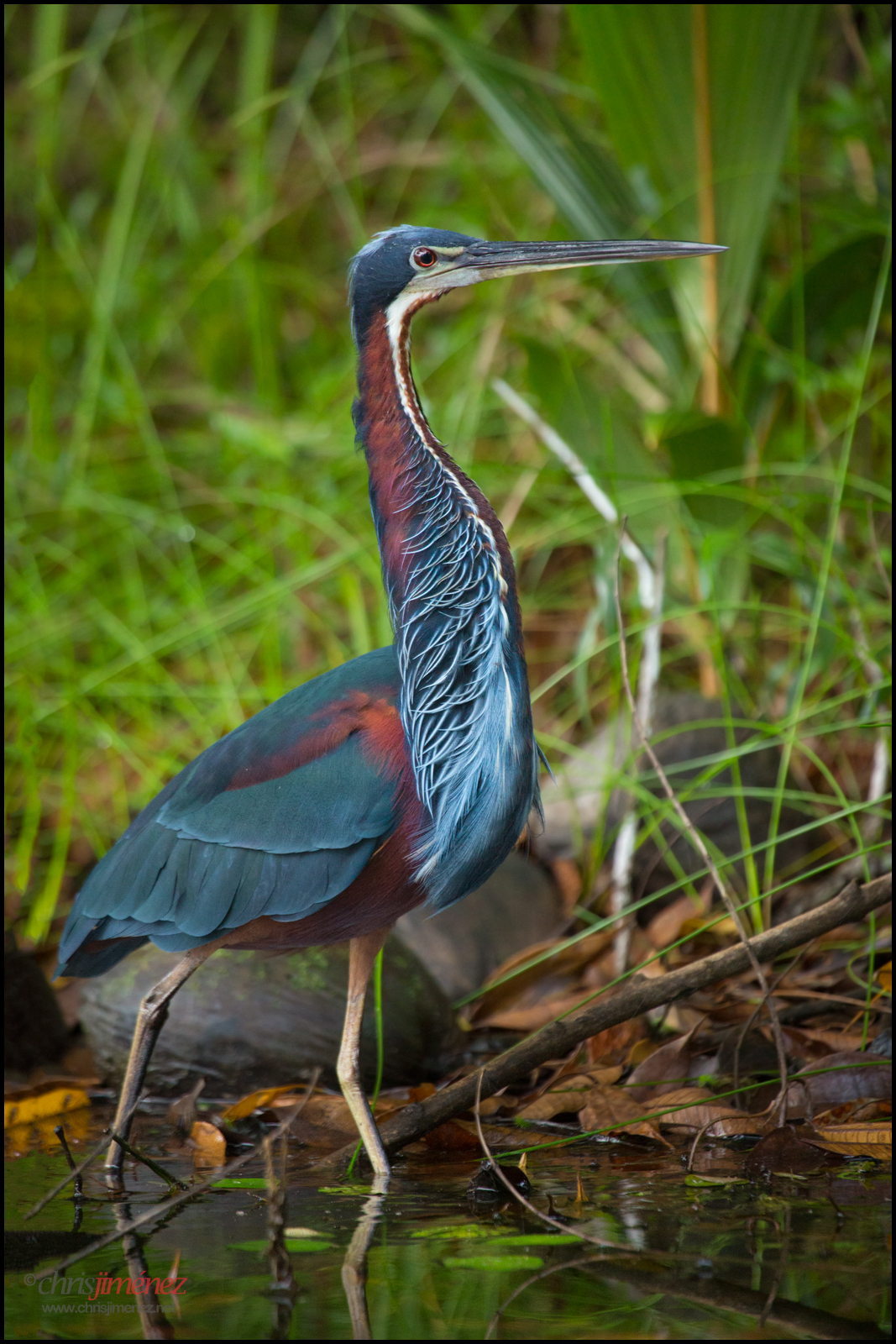
Where to see Agami Heron
The parks with the most verified sightings, out of 47 safari areas where it has been recorded.
- 1Bacab Eco ParkRareLodges
Central Belize & Coastal Plain, Belize · Rare
- 2Burdon Canal Wildlife SanctuaryRareLodges
Central Belize & Coastal Plain, Belize · Rare
- 3Dolphin ParkRareLodges
Central Belize & Coastal Plain, Belize · Rare
- 4Krooman Public ReserveRareLodges
Central Belize & Coastal Plain, Belize · Rare
- 5Labouring Creek Jaguar Corridor Wildlife SanctuaryRarePark
Cayo & Western Maya Mountains, Belize · Rare
Common: 500+ verified sightings. Occasional: 50 to 499. Rare: under 50.
Conservation status
Close to qualifying as threatened in the near future.
The Agami Heron faces threats from habitat loss and degradation, particularly the destruction of its preferred forest and wetland environments. While specific large-scale recovery programs are not widely publicized, ongoing conservation efforts in its range, including protected areas, help safeguard its habitat. Responsible safari tourism can contribute by supporting local economies that rely on intact ecosystems and by raising awareness of the importance of preserving these natural areas for species like the Agami Heron.
Conservation hubAgami Heron: FAQs
Where can you see Agami Heron on safari?
The parks with the most research-grade GBIF and iNaturalist records of Agami Heron are Bacab Eco Park, Burdon Canal Wildlife Sanctuary and Dolphin Park. It is recorded in 47 safari areas in all.
Is the agami heron endangered?
The IUCN Red List assesses the agami heron as Near Threatened.
Spotted something wrong? Suggest a correction
About the agami heron
The agami heron is a medium-sized heron. It is a resident breeding bird from Central America south to Peru and Brazil. It is sometimes known as the chestnut-bellied heron, and is the only member of the genus Agamia. In Brazil it is sometimes called Soco beija-flor, meaning 'hummingbird heron', thanks to its unique coloration pattern.
Adapted from Wikipedia, CC BY-SA 4.0.