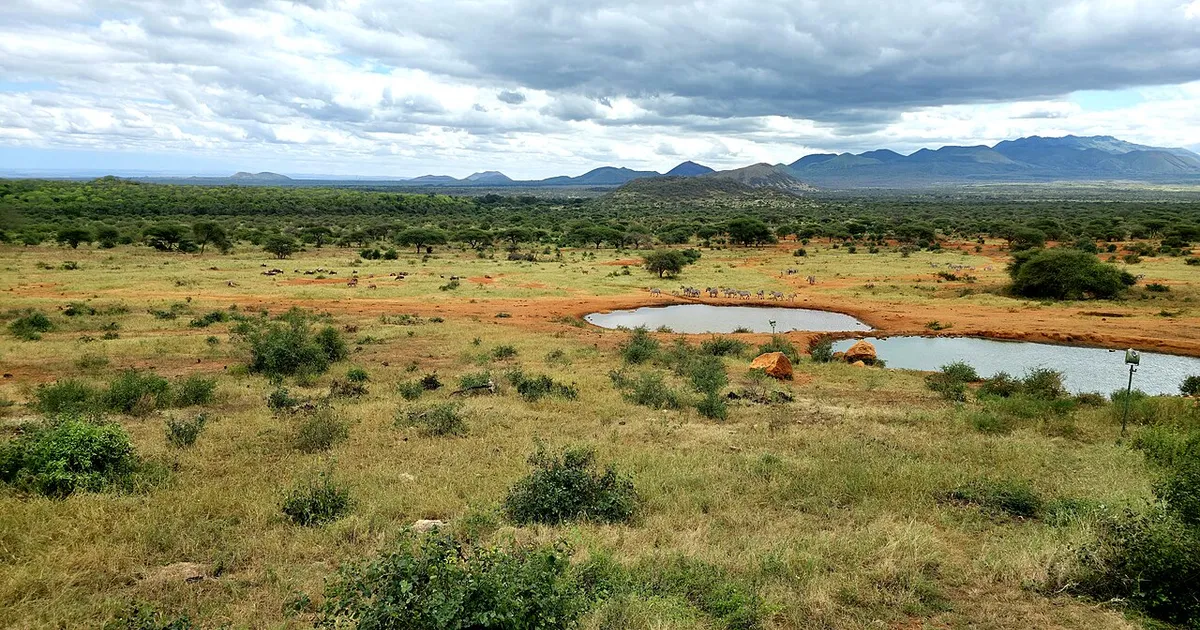
Warm and humid with occasional short rains, often followed by clear, sunny spells. The air is fresh and the landscapes are lush.
The Great Migration herds are gathering in the Southern Serengeti and Ndutu, preparing for calving. This attracts a high concentration of predators.
We love the intense predator-prey drama of the calving season in the Southern Serengeti, offering truly spectacular wildlife viewing.
Serengeti (Ndutu)
Ngorongoro Crater
Tarangire National Park
Generally warm and humid with intermittent showers, though dry spells are common. The vegetation remains vibrant and green.
Peak calving season in the Southern Serengeti and Ndutu, with thousands of wildebeest calves born daily. Predator activity is at its highest.
For sheer wildlife spectacle, we recommend witnessing the peak of the Great Migration's calving season, an unforgettable experience.
Serengeti (Ndutu)
Ngorongoro Crater
Lake Manyara National Park
March
moderateGreen Season / Long Rains begin
Increasingly wet towards the end of the month as the long rains begin. Expect heavier, more frequent showers, but still plenty of sunshine.
Calving continues, and the herds begin to disperse and move northwards. The landscapes are incredibly lush, and birding is excellent.
We find the landscapes incredibly beautiful and the wildlife viewing still excellent before the heaviest rains truly set in.
Serengeti
Ngorongoro Crater
Tarangire National Park
This is the wettest month, with heavy and consistent rainfall across most of the country. Some roads can become challenging, and some lodges close.
The Great Migration herds are dispersed and moving north-west. Resident game is still present, and it's a fantastic time for birdwatching.
While challenging, we appreciate the solitude and dramatic skies for photography, especially in the central and western Serengeti.
Serengeti (central/western)
Ngorongoro Crater
Zanzibar
Rains begin to subside, but the landscape remains incredibly green and vibrant. Expect occasional showers, but increasingly dry days.
The Great Migration herds continue their journey north-west. Resident game is abundant, and the birdlife is still prolific.
We recommend this month for those seeking a quieter safari experience with lush scenery and excellent value before the peak season.
Serengeti (western corridor)
Ngorongoro Crater
Lake Manyara National Park
June
moderate-highDry Season begins
Cooler, drier weather sets in with clear skies and comfortable temperatures. This marks the start of the prime safari season.
The Great Migration herds gather in the Western Serengeti's Grumeti River area, preparing for crossings. Southern parks like Ruaha and Selous begin to shine.
We love the beginning of the dry season for its comfortable weather and the start of the dramatic river crossings in the Western Serengeti.
Serengeti (Western Corridor)
Ruaha National Park
Selous Game Reserve
Cool mornings give way to warm, dry days with clear blue skies. This is ideal safari weather, with very little rain.
The Great Migration herds move into the Northern Serengeti, with the first Mara River crossings beginning. Waterholes are busy with concentrated game.
For classic safari action, we recommend focusing on the Northern Serengeti for the first Mara River crossings, a truly iconic sight.
Serengeti (Northern)
Ngorongoro Crater
Ruaha National Park
+1Very dry, warm days and cool nights characterize this month. Excellent visibility and comfortable conditions prevail.
Peak Mara River crossings in the Northern Serengeti are in full swing, offering incredible drama. Southern parks are superb for game viewing.
We consider August the prime time for witnessing the iconic Mara River crossings, a truly unforgettable spectacle of nature.
Serengeti (Northern)
Ruaha National Park
Selous Game Reserve
+1Dry, hot, and often dusty as the dry season progresses. Water sources diminish, concentrating wildlife around remaining waterholes.
Mara River crossings continue in the Northern Serengeti. Excellent predator viewing is common around the dwindling water sources.
We find the dry, dusty conditions create a raw, intense safari experience with incredible predator opportunities and dramatic sunsets.
Serengeti (Northern)
Ruaha National Park
Selous Game Reserve
+1October
moderateDry Season / Short Rains begin
Hot and dry, with the short rains potentially starting towards the end of the month. Humidity begins to rise.
The Great Migration herds begin to move south from Kenya. Excellent game viewing around the remaining water sources in all parks.
We recommend this month for a fantastic balance of excellent game viewing and slightly fewer crowds than the peak dry season.
Serengeti (Northern/Central)
Tarangire National Park
Ruaha National Park
+1November
low-moderateShort Rains / Green Season begins
Warm and humid, with short, often heavy, afternoon showers. The landscape rapidly transforms into a lush green paradise.
The Great Migration herds are moving south, following the fresh grazing. Excellent birding as migratory species arrive.
We love the fresh, green landscapes and the arrival of migratory birds, offering a different kind of beauty and photographic opportunities.
Tarangire National Park
Serengeti (Central/Southern)
Lake Manyara National Park
December
highShort Rains / Green Season
Warm and humid, with intermittent showers. The country is lush and green, and the air feels fresh.
The Great Migration herds are arriving in the Southern Serengeti, preparing for the calving season. Resident game is abundant.
We recommend the festive atmosphere and the anticipation of the calving season in the Southern Serengeti for a memorable holiday safari.
Serengeti (Southern)
Ngorongoro Crater
Tarangire National Park
Warm and humid with occasional short rains, often followed by clear, sunny spells. The air is fresh and the landscapes are lush.
The Great Migration herds are gathering in the Southern Serengeti and Ndutu, preparing for calving. This attracts a high concentration of predators.
We love the intense predator-prey drama of the calving season in the Southern Serengeti, offering truly spectacular wildlife viewing.
Serengeti (Ndutu)
Ngorongoro Crater
Tarangire National Park
Generally warm and humid with intermittent showers, though dry spells are common. The vegetation remains vibrant and green.
Peak calving season in the Southern Serengeti and Ndutu, with thousands of wildebeest calves born daily. Predator activity is at its highest.
For sheer wildlife spectacle, we recommend witnessing the peak of the Great Migration's calving season, an unforgettable experience.
Serengeti (Ndutu)
Ngorongoro Crater
Lake Manyara National Park
March
moderateGreen Season / Long Rains begin
Increasingly wet towards the end of the month as the long rains begin. Expect heavier, more frequent showers, but still plenty of sunshine.
Calving continues, and the herds begin to disperse and move northwards. The landscapes are incredibly lush, and birding is excellent.
We find the landscapes incredibly beautiful and the wildlife viewing still excellent before the heaviest rains truly set in.
Serengeti
Ngorongoro Crater
Tarangire National Park
This is the wettest month, with heavy and consistent rainfall across most of the country. Some roads can become challenging, and some lodges close.
The Great Migration herds are dispersed and moving north-west. Resident game is still present, and it's a fantastic time for birdwatching.
While challenging, we appreciate the solitude and dramatic skies for photography, especially in the central and western Serengeti.
Serengeti (central/western)
Ngorongoro Crater
Zanzibar
Rains begin to subside, but the landscape remains incredibly green and vibrant. Expect occasional showers, but increasingly dry days.
The Great Migration herds continue their journey north-west. Resident game is abundant, and the birdlife is still prolific.
We recommend this month for those seeking a quieter safari experience with lush scenery and excellent value before the peak season.
Serengeti (western corridor)
Ngorongoro Crater
Lake Manyara National Park
June
moderate-highDry Season begins
Cooler, drier weather sets in with clear skies and comfortable temperatures. This marks the start of the prime safari season.
The Great Migration herds gather in the Western Serengeti's Grumeti River area, preparing for crossings. Southern parks like Ruaha and Selous begin to shine.
We love the beginning of the dry season for its comfortable weather and the start of the dramatic river crossings in the Western Serengeti.
Serengeti (Western Corridor)
Ruaha National Park
Selous Game Reserve
Cool mornings give way to warm, dry days with clear blue skies. This is ideal safari weather, with very little rain.
The Great Migration herds move into the Northern Serengeti, with the first Mara River crossings beginning. Waterholes are busy with concentrated game.
For classic safari action, we recommend focusing on the Northern Serengeti for the first Mara River crossings, a truly iconic sight.
Serengeti (Northern)
Ngorongoro Crater
Ruaha National Park
+1Very dry, warm days and cool nights characterize this month. Excellent visibility and comfortable conditions prevail.
Peak Mara River crossings in the Northern Serengeti are in full swing, offering incredible drama. Southern parks are superb for game viewing.
We consider August the prime time for witnessing the iconic Mara River crossings, a truly unforgettable spectacle of nature.
Serengeti (Northern)
Ruaha National Park
Selous Game Reserve
+1Dry, hot, and often dusty as the dry season progresses. Water sources diminish, concentrating wildlife around remaining waterholes.
Mara River crossings continue in the Northern Serengeti. Excellent predator viewing is common around the dwindling water sources.
We find the dry, dusty conditions create a raw, intense safari experience with incredible predator opportunities and dramatic sunsets.
Serengeti (Northern)
Ruaha National Park
Selous Game Reserve
+1October
moderateDry Season / Short Rains begin
Hot and dry, with the short rains potentially starting towards the end of the month. Humidity begins to rise.
The Great Migration herds begin to move south from Kenya. Excellent game viewing around the remaining water sources in all parks.
We recommend this month for a fantastic balance of excellent game viewing and slightly fewer crowds than the peak dry season.
Serengeti (Northern/Central)
Tarangire National Park
Ruaha National Park
+1November
low-moderateShort Rains / Green Season begins
Warm and humid, with short, often heavy, afternoon showers. The landscape rapidly transforms into a lush green paradise.
The Great Migration herds are moving south, following the fresh grazing. Excellent birding as migratory species arrive.
We love the fresh, green landscapes and the arrival of migratory birds, offering a different kind of beauty and photographic opportunities.
Tarangire National Park
Serengeti (Central/Southern)
Lake Manyara National Park
December
highShort Rains / Green Season
Warm and humid, with intermittent showers. The country is lush and green, and the air feels fresh.
The Great Migration herds are arriving in the Southern Serengeti, preparing for the calving season. Resident game is abundant.
We recommend the festive atmosphere and the anticipation of the calving season in the Southern Serengeti for a memorable holiday safari.
Serengeti (Southern)
Ngorongoro Crater
Tarangire National Park
Warm and humid with occasional short rains, often followed by clear, sunny spells. The air is fresh and the landscapes are lush.
The Great Migration herds are gathering in the Southern Serengeti and Ndutu, preparing for calving. This attracts a high concentration of predators.
We love the intense predator-prey drama of the calving season in the Southern Serengeti, offering truly spectacular wildlife viewing.
Serengeti (Ndutu)
Ngorongoro Crater
Tarangire National Park
Generally warm and humid with intermittent showers, though dry spells are common. The vegetation remains vibrant and green.
Peak calving season in the Southern Serengeti and Ndutu, with thousands of wildebeest calves born daily. Predator activity is at its highest.
For sheer wildlife spectacle, we recommend witnessing the peak of the Great Migration's calving season, an unforgettable experience.
Serengeti (Ndutu)
Ngorongoro Crater
Lake Manyara National Park
March
moderateGreen Season / Long Rains begin
Increasingly wet towards the end of the month as the long rains begin. Expect heavier, more frequent showers, but still plenty of sunshine.
Calving continues, and the herds begin to disperse and move northwards. The landscapes are incredibly lush, and birding is excellent.
We find the landscapes incredibly beautiful and the wildlife viewing still excellent before the heaviest rains truly set in.
Serengeti
Ngorongoro Crater
Tarangire National Park
This is the wettest month, with heavy and consistent rainfall across most of the country. Some roads can become challenging, and some lodges close.
The Great Migration herds are dispersed and moving north-west. Resident game is still present, and it's a fantastic time for birdwatching.
While challenging, we appreciate the solitude and dramatic skies for photography, especially in the central and western Serengeti.
Serengeti (central/western)
Ngorongoro Crater
Zanzibar
Rains begin to subside, but the landscape remains incredibly green and vibrant. Expect occasional showers, but increasingly dry days.
The Great Migration herds continue their journey north-west. Resident game is abundant, and the birdlife is still prolific.
We recommend this month for those seeking a quieter safari experience with lush scenery and excellent value before the peak season.
Serengeti (western corridor)
Ngorongoro Crater
Lake Manyara National Park
June
moderate-highDry Season begins
Cooler, drier weather sets in with clear skies and comfortable temperatures. This marks the start of the prime safari season.
The Great Migration herds gather in the Western Serengeti's Grumeti River area, preparing for crossings. Southern parks like Ruaha and Selous begin to shine.
We love the beginning of the dry season for its comfortable weather and the start of the dramatic river crossings in the Western Serengeti.
Serengeti (Western Corridor)
Ruaha National Park
Selous Game Reserve
Cool mornings give way to warm, dry days with clear blue skies. This is ideal safari weather, with very little rain.
The Great Migration herds move into the Northern Serengeti, with the first Mara River crossings beginning. Waterholes are busy with concentrated game.
For classic safari action, we recommend focusing on the Northern Serengeti for the first Mara River crossings, a truly iconic sight.
Serengeti (Northern)
Ngorongoro Crater
Ruaha National Park
+1Very dry, warm days and cool nights characterize this month. Excellent visibility and comfortable conditions prevail.
Peak Mara River crossings in the Northern Serengeti are in full swing, offering incredible drama. Southern parks are superb for game viewing.
We consider August the prime time for witnessing the iconic Mara River crossings, a truly unforgettable spectacle of nature.
Serengeti (Northern)
Ruaha National Park
Selous Game Reserve
+1Dry, hot, and often dusty as the dry season progresses. Water sources diminish, concentrating wildlife around remaining waterholes.
Mara River crossings continue in the Northern Serengeti. Excellent predator viewing is common around the dwindling water sources.
We find the dry, dusty conditions create a raw, intense safari experience with incredible predator opportunities and dramatic sunsets.
Serengeti (Northern)
Ruaha National Park
Selous Game Reserve
+1October
moderateDry Season / Short Rains begin
Hot and dry, with the short rains potentially starting towards the end of the month. Humidity begins to rise.
The Great Migration herds begin to move south from Kenya. Excellent game viewing around the remaining water sources in all parks.
We recommend this month for a fantastic balance of excellent game viewing and slightly fewer crowds than the peak dry season.
Serengeti (Northern/Central)
Tarangire National Park
Ruaha National Park
+1November
low-moderateShort Rains / Green Season begins
Warm and humid, with short, often heavy, afternoon showers. The landscape rapidly transforms into a lush green paradise.
The Great Migration herds are moving south, following the fresh grazing. Excellent birding as migratory species arrive.
We love the fresh, green landscapes and the arrival of migratory birds, offering a different kind of beauty and photographic opportunities.
Tarangire National Park
Serengeti (Central/Southern)
Lake Manyara National Park
December
highShort Rains / Green Season
Warm and humid, with intermittent showers. The country is lush and green, and the air feels fresh.
The Great Migration herds are arriving in the Southern Serengeti, preparing for the calving season. Resident game is abundant.
We recommend the festive atmosphere and the anticipation of the calving season in the Southern Serengeti for a memorable holiday safari.
Serengeti (Southern)
Ngorongoro Crater
Tarangire National Park