The Complete Guide to Safari in Tanzania
Serengeti, Ngorongoro, Kilimanjaro — Africa's ultimate safari destination
Why Choose Tanzania for Your Safari?
Tanzania is home to some of the most iconic landscapes in all of Africa. The Serengeti - whose name means "endless plains" in Maasai - hosts the largest terrestrial migration on the planet. The Ngorongoro Crater, a collapsed volcano teeming with wildlife, is often called the eighth wonder of the world. And towering above it all is Mount Kilimanjaro, Africa's highest peak.
What sets Tanzania apart is the sheer scale of its protected land. Nearly a third of the country falls under some form of conservation, encompassing 22 national parks, 33 game reserves, and over 40 controlled hunting areas. This means Tanzania supports some of the largest remaining populations of lions, elephants, and wildebeest in Africa.
Tanzania also offers remarkable diversity beyond the classic savannah safari. Track chimpanzees in the remote forests of Mahale Mountains, snorkel coral reefs in Zanzibar, or walk with Maasai warriors across the Great Rift Valley. Few countries on Earth pack so much natural wonder into a single destination.
Top Parks & Reserves
Serengeti National Park
The Serengeti is the anchor of Tanzania's safari circuit and one of the most celebrated wildlife areas on Earth. Its 14,763 square kilometres of grassland, woodland, and riverine forest support an estimated 3,000 lions, 1,000 leopards, and the annual migration of over 1.5 million wildebeest. The migration moves clockwise through the ecosystem: calving in the southern plains (January–March), heading northwest through the western corridor (May–June), crossing the Mara River in the north (July–October), and returning south with the short rains (November–December).
Ngorongoro Conservation Area
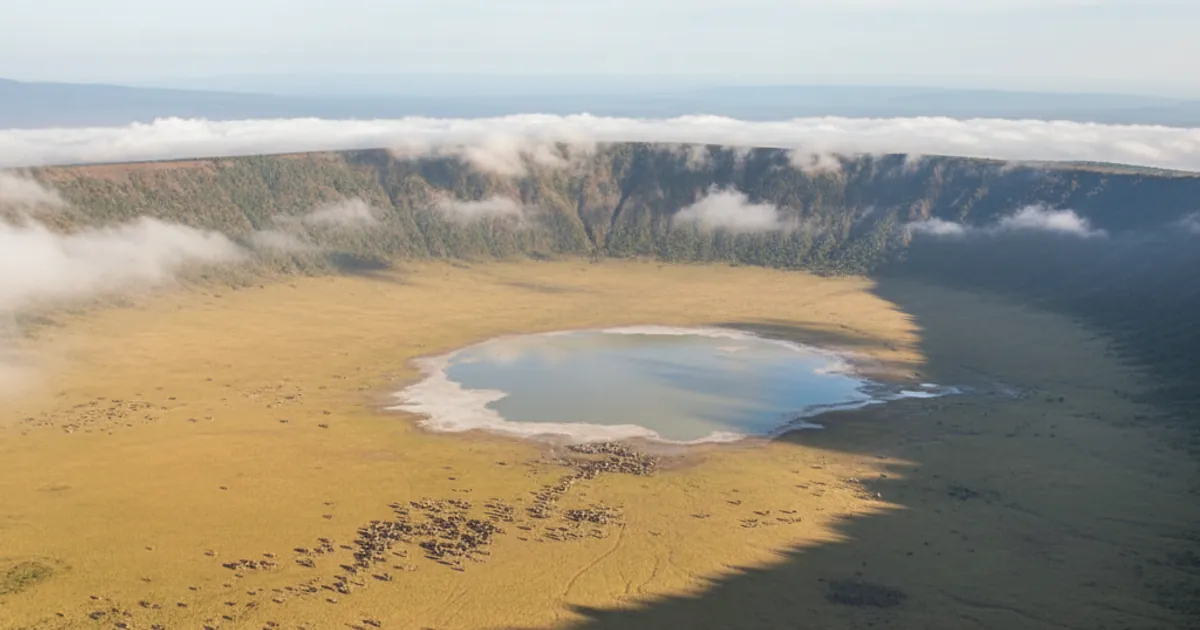
The Ngorongoro Crater is a 260-square-kilometre caldera floor that functions as a natural amphitheatre for wildlife. Around 25,000 large mammals live within the crater walls, including the Big Five - this is one of the most reliable places in Africa to see critically endangered black rhinos. The crater floor also features Lake Magadi, a soda lake that attracts flamingos, and the Lerai Forest, a patch of yellow fever trees home to leopards and elephant bulls.
Tarangire National Park
Often called the "elephant capital" of Tanzania, Tarangire is famous for its massive baobab trees and enormous dry-season elephant gatherings. From June to October, thousands of elephants converge on the Tarangire River - one of the few permanent water sources in the region. The park is also excellent for tree-climbing lions, python sightings, and over 550 bird species.
Lake Manyara National Park
This compact park is tucked beneath the western escarpment of the Great Rift Valley. It's best known for its tree-climbing lions (which rest in mahogany and fig trees), large baboon troops, and flocks of flamingos along the alkaline lake. Manyara is often a half-day stop on northern circuit itineraries but rewards those who spend more time.
Ruaha National Park
Tanzania's largest national park is also its best-kept secret. Ruaha receives a fraction of the visitors of the northern circuit parks, yet it supports one of Africa's largest lion populations and significant populations of African wild dogs, sable antelope, and roan antelope - species rarely seen in the Serengeti. The Great Ruaha River and its tributaries create dramatic dry-season concentrations of wildlife.
Nyerere National Park (formerly Selous)
Renamed in 2019, Nyerere is one of the largest protected areas in Africa. The park's network of lakes, channels, and floodplains supports boat safaris and walking safaris in addition to traditional game drives. Wild dogs, hippos, and crocodiles are highlights, and the birdlife is exceptional.
Mahale Mountains National Park
On the remote shores of Lake Tanganyika, Mahale is one of the best places in Africa to track wild chimpanzees. The experience - hiking through montane forest to sit with habituated chimps - is profoundly different from a vehicle-based safari and ranks among the most memorable wildlife encounters on the continent.
Northern Circuit vs Southern Circuit
Tanzania's safari areas divide broadly into two circuits:
- Northern Circuit (Serengeti, Ngorongoro, Tarangire, Lake Manyara): The most popular route, well-connected by flights from Arusha. Offers the migration, the crater, and excellent infrastructure. Higher visitor numbers but unbeatable wildlife density.
- Southern Circuit (Ruaha, Nyerere, Mikumi, Udzungwa): Far fewer tourists, wilder landscapes, and unique species. Requires more travel time and is better suited to experienced safari-goers. Accessed from Dar es Salaam.
Best Time to Visit Tanzania
- June – October (Dry Season): Peak game viewing across all parks. Migration river crossings in the northern Serengeti. Cool, dry weather ideal for game drives. Highest prices and busiest camps.
- January – February (Calving Season): The wildebeest herds gather on the southern Serengeti plains to give birth. Predator action is intense - lions, cheetahs, and hyenas follow the herds. Excellent photography, fewer crowds than the dry season.
- November – December (Short Rains): Green landscapes, migratory birds, newborn animals. Rain tends to fall in short afternoon bursts. Good value with lower rates.
- March – May (Long Rains): The wettest period. Some camps close, and roads in the south and west can become impassable. Significant discounts for those willing to accept some disruption.
See our Tanzania seasonal guide for monthly detail.
Sample Itineraries
5-Day Northern Highlights
Arusha → Tarangire (1 night) → Ngorongoro Crater (1 night, crater descent) → Serengeti (2 nights, full-day game drives) → fly back to Arusha. A tight but rewarding introduction to Tanzania's greatest hits.
7-Day Classic Northern Circuit
Arusha → Lake Manyara (1 night) → Ngorongoro (2 nights, crater and Empakaai Crater hike) → Serengeti (3 nights, central and northern sectors). This allows deeper exploration and better chances of repeat sightings with favourite animals.
14-Day Comprehensive Tanzania
Arusha → Tarangire (2 nights) → Ngorongoro (2 nights) → Serengeti (3 nights) → fly to Ruaha (3 nights, southern circuit) → fly to Zanzibar (3 nights, beaches and Stone Town). This grand itinerary combines both circuits with an island finale.
What Does a Tanzania Safari Cost?
Tanzania is generally more expensive than Kenya, owing to higher park fees and a strong commitment to sustainable tourism:
- Park Fees: $70–$100 per adult per day in major parks (Serengeti and Ngorongoro are the most expensive).
- Budget ($200–$400/person/day): Group camping safaris with basic facilities, shared vehicles.
- Mid-Range ($400–$800/person/day): Private vehicle, comfortable tented camps, full board with wine and beer.
- Luxury ($800–$2,000+/person/day): Fly-in safaris, premium camps with butler service, private guiding, balloon safaris ($500–$600 per flight).
Tip: Green-season rates (March–May, November) can be 30–50% lower than peak-season prices, and the Serengeti's resident wildlife is still spectacular even outside the migration.
Zanzibar Beach Extension
Zanzibar is the perfect post-safari reward: white-sand beaches, turquoise waters, spice plantations, and the UNESCO-listed Stone Town with its labyrinthine alleys and Swahili architecture. Flights from the Serengeti and Arusha take 1–2 hours. Most travellers spend 2–4 nights on the island, dividing time between beach relaxation and cultural exploration.
Kilimanjaro Add-On
For the adventurous, climbing Mount Kilimanjaro (5,895 m) before or after a safari is a once-in-a-lifetime combination. The Machame, Lemosho, and Northern Circuit routes take 6–9 days. The climb requires reasonable fitness but no technical mountaineering skills. Book through licensed operators in Arusha or Moshi.
Visas & Practicalities
Most visitors need a visa, available on arrival or via the online e-visa portal. A single-entry tourist visa costs $50. The Tanzanian shilling (TZS) is the local currency; US dollars are essential for park fees, tips, and many lodge payments - carry clean, post-2006 bills. Malaria prophylaxis is recommended for all safari and coastal areas.
Explore the full Tanzania destination page, or read our Kenya vs Tanzania comparison to decide which suits you best.