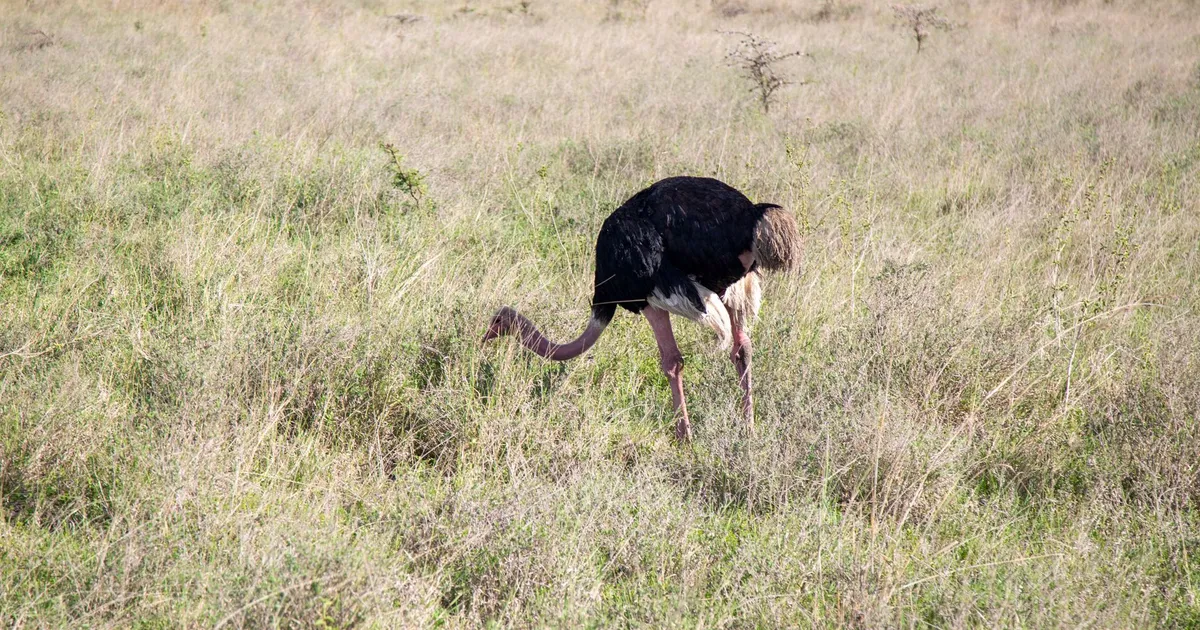
Expect warm, sunny days with cooler evenings. Rainfall is minimal, making it ideal for exploring.
Predator activity is high as they take advantage of the dry conditions. Birding is good, though not at its peak.
We love the clear skies and excellent game viewing this month, perfect for photographers.
Masai Mara National Reserve
Amboseli National Park
Samburu National Reserve
February
moderateDry Season
Still very dry and warm, with temperatures often peaking. Water sources are scarce, concentrating wildlife.
Calving season begins in the southern Masai Mara, attracting predators. It's a fantastic time for lion and cheetah sightings.
We recommend heading south in the Masai Mara to witness the dramatic start of the calving season.
Masai Mara National Reserve
Tsavo West National Park
Lake Nakuru National Park
The dry spell continues, though the first short rains might begin towards the end of the month.
The migration is usually still in the southern Mara plains, with excellent predator action. Birding is improving.
We find March offers a great balance of wildlife viewing and fewer crowds before the rains arrive.
Masai Mara National Reserve
Amboseli National Park
Shaba National Reserve
This is typically the wettest month, with heavy, often afternoon, downpours. Landscapes turn lush and green.
Wildlife disperses as water is plentiful. Game viewing can be challenging due to wet conditions, but birding is excellent.
We enjoy the dramatic skies and the vibrant green scenery, though game drives require flexibility.
Masai Mara National Reserve
Samburu National Reserve
Lake Nakuru National Park
Rainfall usually decreases but can still be significant. The landscape is at its most verdant.
The migration is typically in the western or central Mara. Birding remains superb, with resident and migratory species.
We love the quiet tranquility and the photographic opportunities presented by the lush, green environment.
Masai Mara National Reserve
Tsavo East National Park
Meru National Park
The rains taper off, leading to cooler temperatures and clear skies. The landscape is still very green.
The Great Migration begins its dramatic river crossings in the Mara. Predator sightings are excellent.
We consider June one of the best months for witnessing the iconic Mara River crossings.
Masai Mara National Reserve
Amboseli National Park
Samburu National Reserve
Cooler temperatures and dry conditions prevail. The landscape is drying out but still retains some green.
The Great Migration is in full swing, with daily river crossings a highlight. Predator action is intense.
We find July offers unparalleled wildlife drama with the peak of the migration and its river crossings.
Masai Mara National Reserve
Lake Nakuru National Park
Ol Pejeta Conservancy
Dry and cool, with sunny days. This is peak safari season for many.
The migration continues its northern journey, with river crossings still possible. Excellent general game viewing.
We recommend August for its reliable game viewing and the chance to see the migration in its full glory.
Masai Mara National Reserve
Samburu National Reserve
Tsavo West National Park
September
peakGreen Season
Dry and pleasant, with temperatures warming slightly. The landscape starts to show signs of the coming dry season.
The migration begins to move south, but river crossings can still occur. Predator-prey interactions remain high.
We love September for the continued excellent game viewing and the chance to catch the tail end of the migration.
Masai Mara National Reserve
Amboseli National Park
Meru National Park
October
moderateShort Rains
The short rains usually begin this month, bringing brief, localized showers. Temperatures are warm.
Wildlife begins to spread out again. Birding is excellent as migratory species arrive. Predator activity is still good.
We find October offers a great opportunity for birdwatching and often fewer crowds than the peak months.
Masai Mara National Reserve
Samburu National Reserve
Lake Nakuru National Park
The short rains can be unpredictable, with showers often occurring in the afternoon. Landscapes become greener.
Wildlife is dispersed but accessible. The arrival of resident birds and the start of breeding plumage make for great birding.
We appreciate the fresh green landscapes and the excellent birding opportunities this month.
Masai Mara National Reserve
Tsavo East National Park
Ol Pejeta Conservancy
The short rains usually end, leading to warmer, dry conditions. Expect sunny days and pleasant evenings.
Wildlife congregates around water sources, making for good viewing. The migration is usually back in the southern Mara.
We recommend December for its classic dry season game viewing and the festive atmosphere.
Masai Mara National Reserve
Amboseli National Park
Samburu National Reserve
Expect warm, sunny days with cooler evenings. Rainfall is minimal, making it ideal for exploring.
Predator activity is high as they take advantage of the dry conditions. Birding is good, though not at its peak.
We love the clear skies and excellent game viewing this month, perfect for photographers.
Masai Mara National Reserve
Amboseli National Park
Samburu National Reserve
February
moderateDry Season
Still very dry and warm, with temperatures often peaking. Water sources are scarce, concentrating wildlife.
Calving season begins in the southern Masai Mara, attracting predators. It's a fantastic time for lion and cheetah sightings.
We recommend heading south in the Masai Mara to witness the dramatic start of the calving season.
Masai Mara National Reserve
Tsavo West National Park
Lake Nakuru National Park
The dry spell continues, though the first short rains might begin towards the end of the month.
The migration is usually still in the southern Mara plains, with excellent predator action. Birding is improving.
We find March offers a great balance of wildlife viewing and fewer crowds before the rains arrive.
Masai Mara National Reserve
Amboseli National Park
Shaba National Reserve
This is typically the wettest month, with heavy, often afternoon, downpours. Landscapes turn lush and green.
Wildlife disperses as water is plentiful. Game viewing can be challenging due to wet conditions, but birding is excellent.
We enjoy the dramatic skies and the vibrant green scenery, though game drives require flexibility.
Masai Mara National Reserve
Samburu National Reserve
Lake Nakuru National Park
Rainfall usually decreases but can still be significant. The landscape is at its most verdant.
The migration is typically in the western or central Mara. Birding remains superb, with resident and migratory species.
We love the quiet tranquility and the photographic opportunities presented by the lush, green environment.
Masai Mara National Reserve
Tsavo East National Park
Meru National Park
The rains taper off, leading to cooler temperatures and clear skies. The landscape is still very green.
The Great Migration begins its dramatic river crossings in the Mara. Predator sightings are excellent.
We consider June one of the best months for witnessing the iconic Mara River crossings.
Masai Mara National Reserve
Amboseli National Park
Samburu National Reserve
Cooler temperatures and dry conditions prevail. The landscape is drying out but still retains some green.
The Great Migration is in full swing, with daily river crossings a highlight. Predator action is intense.
We find July offers unparalleled wildlife drama with the peak of the migration and its river crossings.
Masai Mara National Reserve
Lake Nakuru National Park
Ol Pejeta Conservancy
Dry and cool, with sunny days. This is peak safari season for many.
The migration continues its northern journey, with river crossings still possible. Excellent general game viewing.
We recommend August for its reliable game viewing and the chance to see the migration in its full glory.
Masai Mara National Reserve
Samburu National Reserve
Tsavo West National Park
September
peakGreen Season
Dry and pleasant, with temperatures warming slightly. The landscape starts to show signs of the coming dry season.
The migration begins to move south, but river crossings can still occur. Predator-prey interactions remain high.
We love September for the continued excellent game viewing and the chance to catch the tail end of the migration.
Masai Mara National Reserve
Amboseli National Park
Meru National Park
October
moderateShort Rains
The short rains usually begin this month, bringing brief, localized showers. Temperatures are warm.
Wildlife begins to spread out again. Birding is excellent as migratory species arrive. Predator activity is still good.
We find October offers a great opportunity for birdwatching and often fewer crowds than the peak months.
Masai Mara National Reserve
Samburu National Reserve
Lake Nakuru National Park
The short rains can be unpredictable, with showers often occurring in the afternoon. Landscapes become greener.
Wildlife is dispersed but accessible. The arrival of resident birds and the start of breeding plumage make for great birding.
We appreciate the fresh green landscapes and the excellent birding opportunities this month.
Masai Mara National Reserve
Tsavo East National Park
Ol Pejeta Conservancy
The short rains usually end, leading to warmer, dry conditions. Expect sunny days and pleasant evenings.
Wildlife congregates around water sources, making for good viewing. The migration is usually back in the southern Mara.
We recommend December for its classic dry season game viewing and the festive atmosphere.
Masai Mara National Reserve
Amboseli National Park
Samburu National Reserve
Expect warm, sunny days with cooler evenings. Rainfall is minimal, making it ideal for exploring.
Predator activity is high as they take advantage of the dry conditions. Birding is good, though not at its peak.
We love the clear skies and excellent game viewing this month, perfect for photographers.
Masai Mara National Reserve
Amboseli National Park
Samburu National Reserve
February
moderateDry Season
Still very dry and warm, with temperatures often peaking. Water sources are scarce, concentrating wildlife.
Calving season begins in the southern Masai Mara, attracting predators. It's a fantastic time for lion and cheetah sightings.
We recommend heading south in the Masai Mara to witness the dramatic start of the calving season.
Masai Mara National Reserve
Tsavo West National Park
Lake Nakuru National Park
The dry spell continues, though the first short rains might begin towards the end of the month.
The migration is usually still in the southern Mara plains, with excellent predator action. Birding is improving.
We find March offers a great balance of wildlife viewing and fewer crowds before the rains arrive.
Masai Mara National Reserve
Amboseli National Park
Shaba National Reserve
This is typically the wettest month, with heavy, often afternoon, downpours. Landscapes turn lush and green.
Wildlife disperses as water is plentiful. Game viewing can be challenging due to wet conditions, but birding is excellent.
We enjoy the dramatic skies and the vibrant green scenery, though game drives require flexibility.
Masai Mara National Reserve
Samburu National Reserve
Lake Nakuru National Park
Rainfall usually decreases but can still be significant. The landscape is at its most verdant.
The migration is typically in the western or central Mara. Birding remains superb, with resident and migratory species.
We love the quiet tranquility and the photographic opportunities presented by the lush, green environment.
Masai Mara National Reserve
Tsavo East National Park
Meru National Park
The rains taper off, leading to cooler temperatures and clear skies. The landscape is still very green.
The Great Migration begins its dramatic river crossings in the Mara. Predator sightings are excellent.
We consider June one of the best months for witnessing the iconic Mara River crossings.
Masai Mara National Reserve
Amboseli National Park
Samburu National Reserve
Cooler temperatures and dry conditions prevail. The landscape is drying out but still retains some green.
The Great Migration is in full swing, with daily river crossings a highlight. Predator action is intense.
We find July offers unparalleled wildlife drama with the peak of the migration and its river crossings.
Masai Mara National Reserve
Lake Nakuru National Park
Ol Pejeta Conservancy
Dry and cool, with sunny days. This is peak safari season for many.
The migration continues its northern journey, with river crossings still possible. Excellent general game viewing.
We recommend August for its reliable game viewing and the chance to see the migration in its full glory.
Masai Mara National Reserve
Samburu National Reserve
Tsavo West National Park
September
peakGreen Season
Dry and pleasant, with temperatures warming slightly. The landscape starts to show signs of the coming dry season.
The migration begins to move south, but river crossings can still occur. Predator-prey interactions remain high.
We love September for the continued excellent game viewing and the chance to catch the tail end of the migration.
Masai Mara National Reserve
Amboseli National Park
Meru National Park
October
moderateShort Rains
The short rains usually begin this month, bringing brief, localized showers. Temperatures are warm.
Wildlife begins to spread out again. Birding is excellent as migratory species arrive. Predator activity is still good.
We find October offers a great opportunity for birdwatching and often fewer crowds than the peak months.
Masai Mara National Reserve
Samburu National Reserve
Lake Nakuru National Park
The short rains can be unpredictable, with showers often occurring in the afternoon. Landscapes become greener.
Wildlife is dispersed but accessible. The arrival of resident birds and the start of breeding plumage make for great birding.
We appreciate the fresh green landscapes and the excellent birding opportunities this month.
Masai Mara National Reserve
Tsavo East National Park
Ol Pejeta Conservancy
The short rains usually end, leading to warmer, dry conditions. Expect sunny days and pleasant evenings.
Wildlife congregates around water sources, making for good viewing. The migration is usually back in the southern Mara.
We recommend December for its classic dry season game viewing and the festive atmosphere.
Masai Mara National Reserve
Amboseli National Park
Samburu National Reserve