The Complete Guide to Safari in Botswana
Okavango Delta, Chobe elephants, and Africa's most exclusive wilderness
Why Choose Botswana for Your Safari?
Botswana has built its tourism industry on a simple but powerful philosophy: low volume, high value. By deliberately limiting visitor numbers and charging premium rates, Botswana has preserved some of the most pristine wilderness areas left on Earth. The result is a safari experience defined by solitude, exclusivity, and truly wild encounters.
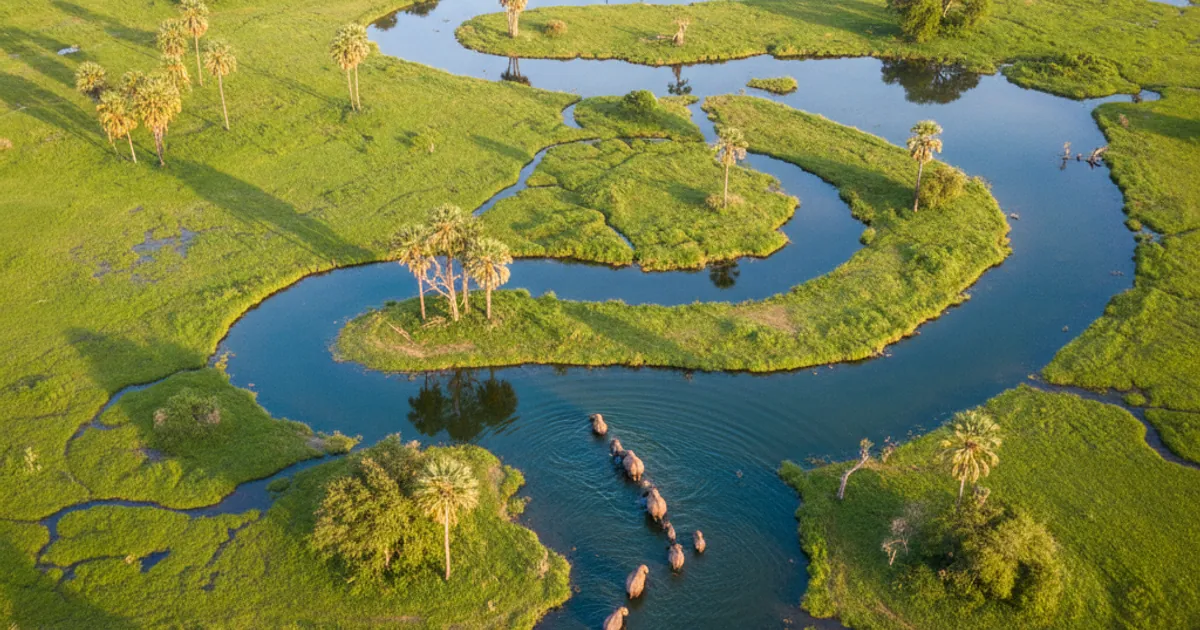
At the heart of Botswana's appeal is the Okavango Delta - a UNESCO World Heritage Site and one of the planet's most extraordinary ecosystems. Each year, floodwaters from Angola's highlands pour into the Kalahari Basin, creating a 22,000-square-kilometre inland delta that transforms dry savannah into a maze of channels, lagoons, and palm-fringed islands. This seasonal flood supports staggering concentrations of wildlife and gives rise to water-based safari experiences found nowhere else.
Beyond the Delta, Chobe National Park hosts the largest elephant population in Africa - an estimated 120,000 animals. The Makgadikgadi Pans, ancient salt flats stretching to the horizon, offer surreal landscapes and one of the last great zebra migrations. And the Central Kalahari Game Reserve, at over 52,000 square kilometres, is one of the largest protected areas on Earth - a place of vast silence, gemsbok herds, and Kalahari black-maned lions.
Top Parks & Reserves
Okavango Delta
The Okavango Delta is Botswana's crown jewel. What makes it unique is the combination of water and wildlife: you can paddle a traditional mokoro (dugout canoe) through lily-covered channels with hippos surfacing nearby, then drive out onto dry floodplains to find lion prides and wild dog packs. The Delta's islands - Chief's Island, Mombo, Jao - host some of Africa's most celebrated safari camps. Wildlife highlights include all of the Big Five, wild dogs, sitatunga, lechwe, and extraordinary birdlife (over 450 species).
Moremi Game Reserve
Occupying the eastern portion of the Okavango Delta, Moremi was the first reserve in Africa to be established by local communities. It combines Delta waterways with dry-land savannah, creating exceptional habitat diversity. Moremi is consistently rated among Africa's top reserves for predator sightings - lion, leopard, cheetah, wild dog, and spotted hyena are all regularly seen.
Chobe National Park
Chobe is synonymous with elephants. The park's riverfront is one of the most spectacular wildlife viewing areas in Africa: during the dry season, herds of hundreds of elephants converge on the Chobe River to drink and bathe. Boat cruises on the river offer eye-level encounters with elephants, hippos, crocodiles, and fish eagles. The park's Savuti area, further south, is famous for its resident lion pride and seasonal zebra migration.
Makgadikgadi Pans
These immense salt flats - the remnants of a prehistoric super-lake - create one of Africa's most otherworldly landscapes. During the wet season (November–April), the pans flood and attract tens of thousands of zebra and wildebeest in one of Africa's least-known great migrations. Flamingos breed on the pans in huge numbers. During the dry season, you can sleep under the stars on the empty salt flats - an experience of absolute silence and infinite horizon.
Central Kalahari Game Reserve
The CKGR is one of the most remote and untouched wilderness areas in Africa. After good rains, the fossil river valleys (Deception Valley, Passarge Valley) erupt with grass, drawing gemsbok, springbok, wildebeest, and their predators - including the iconic black-maned Kalahari lions and brown hyenas. The reserve is best suited to experienced, self-sufficient travellers or those staying at one of the few fly-in camps.
Nxai Pan National Park
Adjacent to Makgadikgadi, Nxai Pan is famous for Baines' Baobabs - a cluster of ancient trees painted by the explorer Thomas Baines in 1862 that look virtually unchanged today. The park is a rainy-season hotspot for cheetahs, which hunt the springbok herds on the open grasslands.
Water Safari: A Uniquely Botswana Experience
No other safari destination in Africa offers the water-based experiences available in the Okavango Delta:
- Mokoro (Dugout Canoe): Glide silently through papyrus-lined channels, spotting kingfishers, jacanas, and the occasional hippo. A quintessential Delta experience.
- Motorboat Safaris: Faster craft cover more ground and work well for birding and reaching remote islands. Chobe river cruises are a highlight.
- Island-Hopping Camps: Some Delta camps are accessible only by boat or helicopter, adding to the sense of remoteness and exclusivity.
- Swimming & Fishing: In select areas cleared of hippos and crocodiles, swimming in crystal-clear Delta channels is permitted. Catch-and-release tiger fishing is available on the Okavango panhandle.
Best Time to Visit Botswana
- May – October (Dry Season / Peak): The best time for general game viewing. As water sources dry up, wildlife concentrates around remaining rivers and lagoons. The Okavango flood (peaking June–August) creates a magical contrast - the Delta fills while the surrounding bush dries out. July–October offers the most reliable sightings. This is the most expensive and popular period.
- November – April (Green / Wet Season): Dramatic thunderstorms transform the Kalahari into green savannah. Calving season brings newborn antelope and intense predator activity. Migratory birds (carmine bee-eaters, Abdim's storks) arrive in huge numbers. Makgadikgadi fills with water, attracting zebra and flamingos. Rates drop by 30–50%, making this the time for budget-conscious travellers.
Check our Botswana seasonal guide for month-by-month recommendations.
Mobile Safaris
Botswana pioneered the mobile camping safari - a style of travel where you move with a small group and a team of guides through the wilderness, camping in a different spot each night. Mobile safaris cover ground that permanent camps cannot, following seasonal wildlife movements. They range from rustic (participants help with camp setup) to fully serviced (staff set up luxury tents ahead of your arrival). A 7–10 day mobile safari through the Delta, Moremi, and Chobe is one of the great African adventures.
Self-Drive Options
Botswana's self-drive routes are for experienced overlanders only. You'll need a fully equipped 4x4 with high clearance, long-range fuel tanks, and recovery gear. The most popular self-drive routes:
- Chobe Riverfront: Accessible on main roads; the easiest area for self-drive.
- Makgadikgadi & Nxai Pan: Navigable in a 4x4 with GPS, especially in the dry season.
- Central Kalahari: Deep sand tracks require serious 4x4 skill. Carry all fuel, water, and supplies - there are no facilities inside the reserve.
- Moremi (Third Bridge, Xakanaxa): Extremely sandy tracks; dry season only. A genuine adventure.
Warning: Self-driving in the Okavango Delta interior is not possible - the islands and channels require boat or air access. Self-drive is best suited to Chobe, the pans, and the Kalahari.
What Does a Botswana Safari Cost?
Botswana is a premium destination, and there's no getting around it:
- Fly-In Lodge Safari ($500–$2,000+/person/night): All-inclusive - flights, meals, drinks, activities, park fees. Top Delta camps (Mombo, Vumbura, Jao) sit at the higher end.
- Mobile Safari ($300–$700/person/day): More affordable than fixed camps, with a more adventurous feel. Group departures cost less than private.
- Self-Drive ($80–$200/person/day): Vehicle hire ($80–$150/day for a 4x4), campsite fees ($30–$50/night), park entry ($12/person/day). The most budget-friendly way to experience Botswana, but requires planning and equipment.
- Green Season Savings: Many camps offer 30–50% discounts from November to March. The Delta's permanent water areas still have excellent game viewing.
Combining Botswana with Victoria Falls
Botswana's northern border sits just 80 km from Victoria Falls (Zambia/Zimbabwe). Most Chobe itineraries include a day trip or extension to the falls - one of the Seven Natural Wonders of the World. You can visit from Kasane by road (1.5 hours) or take a scenic flight. See our Victoria Falls guide for details.
Read our Botswana vs South Africa comparison to understand how these two very different safari styles compare, or explore the full Botswana destination page.