The Complete Guide to Safari in South Africa
Self-drive Kruger, luxury private reserves, and malaria-free alternatives
Why Choose South Africa for Your Safari?
South Africa is the most accessible safari destination in Africa. No other country makes it so easy to see the Big Five - you can rent a car, drive yourself through Kruger National Park, and stay in well-maintained rest camps for a fraction of the cost of an East African fly-in safari. At the other end of the spectrum, the private reserves bordering Kruger offer some of the most exclusive and luxurious safari experiences on the continent.
South Africa's diversity extends far beyond the bushveld. Combine a Big Five safari with whale watching along the Garden Route, wine tasting in Stellenbosch, cage diving with great white sharks, or exploring Cape Town - regularly ranked among the world's most beautiful cities. Few safari destinations offer such a compelling mix of wildlife, culture, scenery, and gastronomy.
Critically for families and travellers with health concerns, South Africa offers excellent malaria-free safari options in the Eastern Cape, North West Province, and KwaZulu-Natal - making it the top choice for those who want Big Five game viewing without the need for antimalarial medication.
Top Parks & Reserves
Kruger National Park
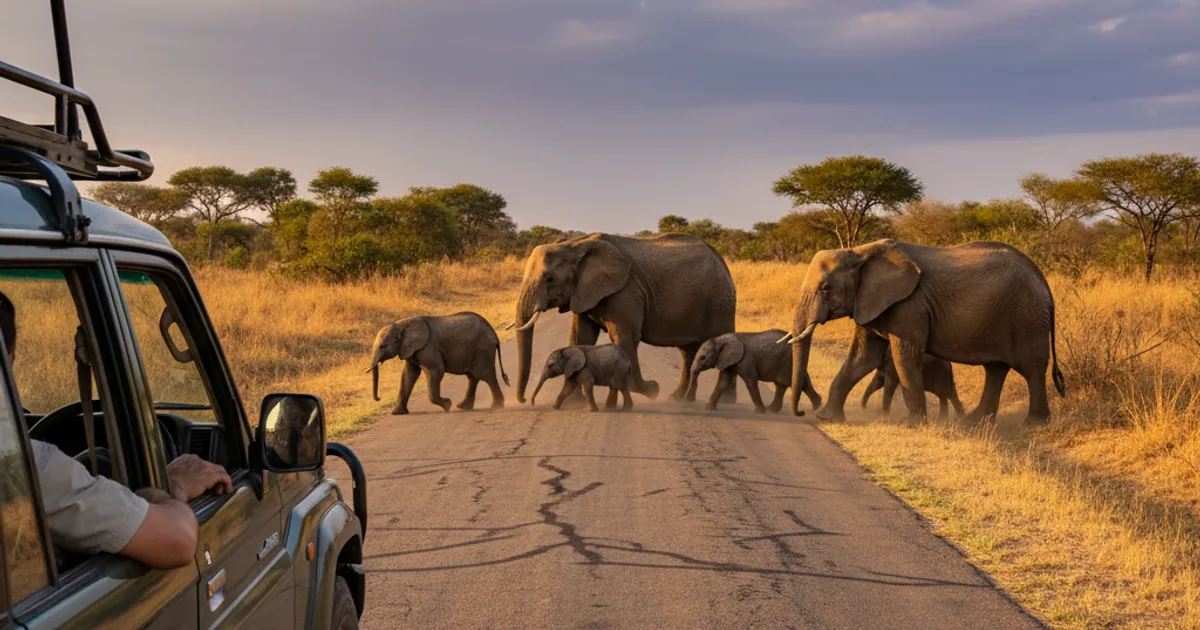
Kruger is South Africa's flagship park and one of the largest game reserves in Africa, stretching nearly 20,000 square kilometres along the Mozambique border. It's home to all of the Big Five, over 500 bird species, and a network of tarred and gravel roads that make self-driving safe and rewarding. SANParks operates 12 main rest camps with accommodation ranging from basic campsites to guest houses. The park's southern section (Lower Sabie, Skukuza, Satara) has the highest wildlife densities, while the north (Letaba, Olifants, Shingwedzi) offers a wilder, quieter experience.
Sabi Sand Game Reserve
Sharing an unfenced border with Kruger, the Sabi Sand is South Africa's most famous private reserve. It's renowned for exceptional leopard sightings - many lodges see leopards daily thanks to decades of careful habituation. Lodges like Londolozi, MalaMala, and Singita offer all-inclusive luxury with private vehicles, expert trackers, and off-road driving that isn't permitted in Kruger itself. Night drives and walking safaris add dimensions that the national park cannot match.
Madikwe Game Reserve
Madikwe sits on the Botswana border in North West Province and is one of South Africa's best malaria-free Big Five destinations. The reserve supports healthy populations of lions, elephants, rhinos, wild dogs, and cheetahs. It's community-run, meaning tourism directly benefits local villages. Madikwe is a 4-hour drive or a short charter flight from Johannesburg.
Pilanesberg National Park
Just two hours from Johannesburg, Pilanesberg is set in an ancient volcanic crater and offers Big Five game viewing in a malaria-free environment. It's the most convenient option for travellers with limited time - day trips from Johannesburg are feasible, though an overnight stay is recommended. The park has well-maintained roads suitable for 2WD vehicles.
Addo Elephant National Park
Addo in the Eastern Cape has grown from a small elephant sanctuary into a Big Five national park. It's entirely malaria-free and within easy driving distance of Port Elizabeth. The park's elephant herds - now over 600 strong - are the main draw, but lions, buffalo, black rhinos, and spotted hyenas are also present. The marine section includes islands with penguin and gannet colonies.
Hluhluwe-iMfolozi Park
Africa's oldest proclaimed game reserve (established 1895), Hluhluwe-iMfolozi in KwaZulu-Natal is the birthplace of rhino conservation. The park's Operation Rhino in the 1950s–60s saved the white rhino from extinction, growing the population from fewer than 200 to over 10,000 worldwide. Today the park offers excellent Big Five viewing, self-drive access, and a wilderness trail system considered among the best walking experiences in Africa.
Kgalagadi Transfrontier Park
Straddling the South Africa–Botswana border, the Kgalagadi is a vast semi-desert park known for its red sand dunes, black-maned Kalahari lions, cheetahs, and raptors. It's a photographer's paradise - the arid landscape and huge skies create extraordinary light. The park is remote (a 9-hour drive from Johannesburg) but increasingly popular with self-drive enthusiasts.
Malaria-Free Safari Options
South Africa leads the world in malaria-free Big Five safaris. Key options include:
- Eastern Cape: Addo, Shamwari, Amakhala, Kwandwe, Kariega - private reserves with luxurious lodges and no malaria risk.
- North West Province: Madikwe and Pilanesberg - Big Five, close to Johannesburg.
- KwaZulu-Natal (highlands): Hluhluwe-iMfolozi is in a low-risk area, though prophylaxis is sometimes recommended. Phinda and Thanda offer alternatives.
These are particularly popular with families travelling with young children, pregnant travellers, and anyone who prefers to avoid antimalarial medication.
Self-Drive vs Guided Safaris
South Africa is the best self-drive safari destination in Africa. Here's how to decide:
- Self-Drive (Kruger, Pilanesberg, Addo, Kgalagadi): Rent a standard car, set your own pace, stay in national park rest camps. You control the itinerary and save significantly on guiding costs. The tradeoff: you won't have an expert spotter, and you're restricted to roads.
- Guided/Private Reserve (Sabi Sand, Madikwe, Eastern Cape): All-inclusive packages with expert guides and trackers, off-road driving privileges, walking safaris, and night drives. Significantly more expensive but the wildlife encounters are typically closer and more intimate.
Tip: Many seasoned travellers do both - self-drive Kruger for 2–3 days, then move into a neighbouring private reserve like Sabi Sand or Timbavati for 2 nights of guided luxury.
Private Reserves Explained
South Africa's private reserves share unfenced boundaries with Kruger, which means animals move freely between public and private land. What makes the private reserves special:
- Traversing rights: Vehicles can leave the road to follow animals through the bush, leading to closer sightings.
- Exclusive sightings: Strict vehicle limits mean you'll never share an animal sighting with 20 other cars, as can happen in Kruger.
- Night drives: Spotlights reveal nocturnal species like aardvark, pangolin, bushbaby, and hunting leopards.
- Walking safaris: Guided walks with armed rangers offer an entirely different perspective on the bush.
Read more in our guide to South Africa's best private reserves.
Best Time to Visit South Africa
- May – September (Dry/Winter): The best time for game viewing. Vegetation dies back, animals gather at water sources, and the mild, dry weather is ideal for game drives. Nights can be cold (near freezing in the bushveld). This is peak safari season.
- October – November (Spring): Hot, dry, and excellent for game viewing as the rains haven't yet started. Wildflowers in the Western Cape. Migratory birds begin arriving.
- December – February (Summer): Hot and wet in the bush, with afternoon thunderstorms. Lush green landscapes, baby animals, and superb birding. Lower rates in the bush but peak season in Cape Town.
- March – April (Autumn): Rains taper off, temperatures cool. Good all-round period with moderate rates.
What Does a South Africa Safari Cost?
South Africa offers the most affordable Big Five safaris in Africa:
- Self-Drive Budget ($50–$150/person/day): SANParks rest camp accommodation ($40–$120/night for a 2-person chalet), self-catering, daily conservation fee ($25/person). A week in Kruger self-driving can cost as little as $600 per person total.
- Mid-Range ($300–$600/person/day): Mid-tier lodges in private reserves like Kapama, Thornybush, or Karongwe. Two game drives daily, all meals included.
- Luxury ($700–$2,500+/person/day): The great lodges of Sabi Sand (Singita, Londolozi, &Beyond), exclusive-use villas, helicopter transfers. World-class food, wine, and service.
Cape Town & Safari Combos
South Africa's greatest selling point for international visitors may be the ability to combine a safari with Cape Town - arguably Africa's most cosmopolitan city. A classic combination:
- 3 nights Cape Town (Table Mountain, Kirstenbosch, wine country, V&A Waterfront)
- 2 nights Garden Route (Knysna, Plettenberg Bay, whale watching in Hermanus)
- 3 nights Kruger or private reserve
Domestic flights between Cape Town and Kruger (Hoedspruit or Nelspruit) take about 2 hours. For reserves closer to Cape Town, explore our guide to game reserves near Cape Town.
Family Safari Options
South Africa is the continent's top destination for family safaris. Malaria-free reserves remove health anxieties, self-drive flexibility lets families set their own pace, and many private lodges offer dedicated kids' programmes with junior ranger courses, bug walks, and child-friendly game drives. The Eastern Cape reserves (Shamwari, Kwandwe, Amakhala) are particularly family-focused.
For a full overview of South Africa's parks and planning tools, visit the South Africa destination page. Considering Botswana instead? Read our Botswana vs South Africa comparison.