The Complete Guide to Safari in Kenya
From the Masai Mara to Amboseli — everything you need to plan your Kenyan safari
Why Choose Kenya for Your Safari?
Kenya is where the modern safari was born, and it remains one of the most thrilling wildlife destinations on Earth. Home to the Great Wildebeest Migration, all of the Big Five, and an astonishing diversity of ecosystems - from snow-capped mountains to coral-fringed coastlines - Kenya delivers an unmatched safari experience for first-timers and seasoned travellers alike.
The country's well-established tourism infrastructure means you can combine world-class game viewing with comfortable lodges, experienced guides, and reliable domestic flight networks. Whether you want to witness two million wildebeest crossing the Mara River, photograph elephants against the backdrop of Kilimanjaro, or track endangered species in private conservancies, Kenya has a safari for every budget and ambition.
Kenya's conservancy model is also a global leader in community-based wildlife management. Many private conservancies surrounding the national reserves offer exclusive game drives with far fewer vehicles, walking safaris, and night drives - experiences that aren't permitted inside the national reserves themselves.
Top Parks & Reserves
Masai Mara National Reserve
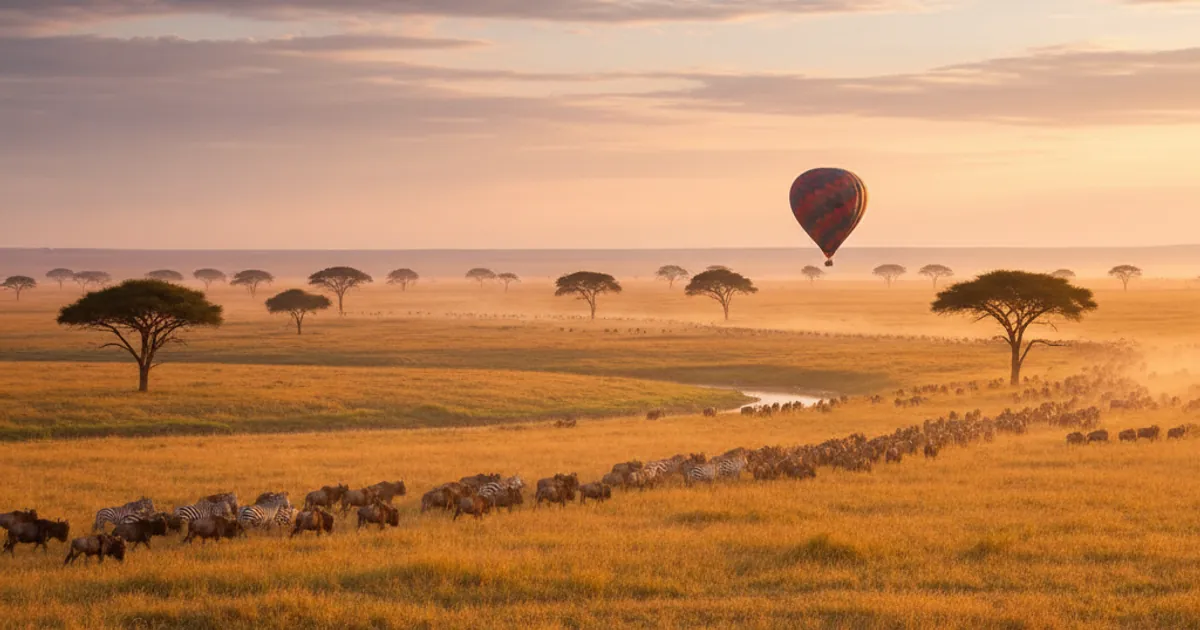
The Masai Mara is Kenya's flagship reserve and the northern terminus of the Great Wildebeest Migration. Between July and October, over 1.5 million wildebeest and hundreds of thousands of zebra pour across the Mara River in one of nature's greatest spectacles. Year-round, the Mara supports exceptional densities of lions, leopards, cheetahs, and hyenas, making it arguably the best big-cat destination in Africa.
Amboseli National Park
Amboseli is famous for its large elephant herds set against the dramatic silhouette of Mount Kilimanjaro. The park's open plains and seasonal swamps make wildlife easy to spot, and the photographic opportunities here - elephants with Africa's highest peak looming behind - are iconic.
Tsavo East & West
Together, the two Tsavo parks form one of the largest protected areas in the world. Tsavo East is known for its red-dusted elephants and vast open savannahs, while Tsavo West offers more rugged, volcanic landscapes with lava flows and natural springs. Both parks see fewer tourists than the Mara, making them ideal for travellers seeking a quieter, more raw safari experience.
Samburu National Reserve
Samburu sits in Kenya's arid north and is home to the "Samburu Special Five" - Grevy's zebra, reticulated giraffe, Beisa oryx, Somali ostrich, and gerenuk. The Ewaso Nyiro River running through the reserve creates a green lifeline that attracts elephants, leopards, and wild dogs. The cultural connection with the Samburu people adds depth to any visit.
Laikipia Plateau
Laikipia is Kenya's conservation success story - a patchwork of private ranches and conservancies that collectively support the country's largest populations of endangered black rhinos and wild dogs. Properties like Ol Pejeta, Lewa, and Borana offer walking safaris, horseback rides, and community-focused tourism that directly funds anti-poaching efforts.
Lake Nakuru National Park
Once famous for its flamingo-covered shores, Lake Nakuru remains a superb birding destination and an important rhino sanctuary. The compact park is easy to explore and can be combined with a Mara safari or a visit to the Great Rift Valley lakes.
Best Time to Visit Kenya
Kenya's safari calendar revolves around two dry seasons and two wet seasons:
- June – October (Long Dry Season): Peak safari season. The Mara migration river crossings happen during this window. Vegetation thins out, pushing animals to waterholes and rivers. Temperatures are pleasant (15–25°C). This is also the busiest and most expensive period.
- January – February (Short Dry Season): Excellent game viewing across the country. Calving season in the southern Serengeti means the herds haven't yet reached the Mara, but Kenya's resident wildlife is plentiful. Fewer crowds, competitive rates.
- November (Short Rains): Brief afternoon showers turn the landscape green. Migratory birds arrive. Rates drop significantly. Game viewing is still good - the rain rarely disrupts full-day drives.
- April – May (Long Rains): The wettest months. Some camps and lodges close, and unpaved roads can become difficult. However, green-season rates are the lowest of the year, and serious birders find this period rewarding.
For a detailed month-by-month breakdown, see our best time to visit Kenya guide.
Sample Itineraries
3-Day Masai Mara Express
Fly from Nairobi's Wilson Airport to the Mara (45 min). Two full days of game drives covering the Mara Triangle and the main reserve, with a chance to visit a Maasai village. Ideal for travellers with limited time or those combining safari with a beach holiday.
7-Day Classic Kenya Safari
Nairobi → Amboseli (2 nights, elephants and Kilimanjaro views) → Lake Naivasha or Lake Nakuru (1 night, flamingos and rhinos) → Masai Mara (3 nights, big cats and the migration). This route covers Kenya's greatest hits and works year-round.
10-Day Comprehensive Kenya
Nairobi → Samburu (2 nights, Samburu Special Five) → Laikipia (2 nights, rhinos, walking safaris) → Lake Nakuru (1 night) → Masai Mara (3 nights) → Diani Beach (2 nights, snorkelling and relaxation). This itinerary captures Kenya's full range - arid north, highland conservancies, savannah grasslands, and tropical coast.
What Does a Kenya Safari Cost?
Kenya offers safaris across every budget level:
- Budget ($150–$300/person/day): Group camping safaris, basic lodges outside park gates, shared vehicles. Park fees are $60–$80 per adult per day for major reserves.
- Mid-Range ($300–$600/person/day): Comfortable tented camps inside or adjacent to parks, private vehicle with guide, full-board meals.
- Luxury ($600–$1,500+/person/day): Exclusive conservancy camps, private guide and vehicle, bush meals, balloon safaris, spa facilities. Conservancy fees (typically $80–$150/day) fund local communities.
Tip: Shoulder-season months (November, March, early June) can cut costs by 20–40% while still delivering excellent game viewing.
Getting There & Getting Around
Jomo Kenyatta International Airport (NBO) in Nairobi is Kenya's main gateway, served by direct flights from London, Amsterdam, Istanbul, Dubai, and many African capitals. From Nairobi, most safari itineraries use domestic flights from Wilson Airport - these small-aircraft services connect to airstrips in the Mara, Amboseli, Samburu, and Laikipia in under an hour, saving hours of driving on rough roads.
Overland transfers by road are an option for budget safaris and for parks close to Nairobi (like Amboseli, 4–5 hours by road), but flying is strongly recommended for multi-park itineraries.
Visas & Practicalities
Most nationalities need an Electronic Travel Authorisation (eTA), which replaced the previous e-visa system in 2024. Apply online at least 72 hours before travel. Yellow fever vaccination is required if arriving from an endemic country. The Kenyan shilling (KES) is the local currency, but US dollars are widely accepted at lodges and for park fees. Credit cards work at hotels and larger lodges but carry cash for tips, markets, and smaller establishments.
Beach Extensions
One of Kenya's great advantages is the ease of combining safari with a tropical beach break:
- Diani Beach: Kenya's most popular beach destination, 30 km south of Mombasa. White sand, warm Indian Ocean, snorkelling, and kitesurfing. Direct flights from Nairobi and Masai Mara.
- Lamu Island: A UNESCO World Heritage Site with Swahili architecture, dhow sailing, and a slower pace of life. Reached by flight from Nairobi or Mombasa.
- Mombasa & Watamu: Coral reefs, marine parks, and historical sites including Fort Jesus. Great for families.
For more on Kenya's parks and wildlife, explore the full Kenya destination page or read our Kenya vs Tanzania comparison.