Seychelles Safari Safety Guide: What Every Traveller Needs to Know
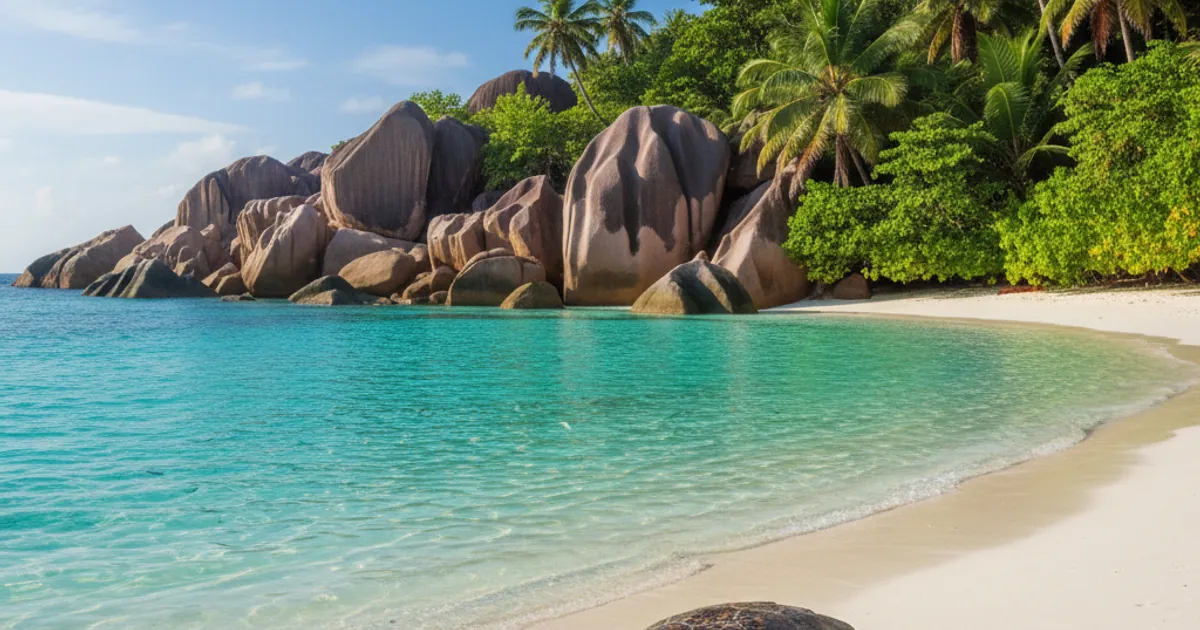
The Seychelles archipelago offers a unique twist on the African nature experience - pristine marine parks, giant tortoise colonies, endemic birds, and some of the world's most spectacular beaches. While not a traditional big-game safari destination, Seychelles rewards nature lovers with encounters found nowhere else on Earth. This guide covers the health, safety, and practical considerations for this Indian Ocean paradise.
Safety Overview
Seychelles is one of the safest countries in Africa and one of the safest island nations in the world. It has a low crime rate, stable democracy, and a well-functioning police force. The country's small population (approximately 100,000) and tourism-dependent economy mean that visitor safety is a national priority. Violent crime against tourists is extremely rare.
That said, opportunistic petty theft does occur - particularly from beaches and unlocked accommodation. The main safety concerns for visitors are ocean-related: strong currents, seasonal swells, and marine life. The islands have no dangerous land predators, no venomous snakes, and no malaria. It is, in many ways, the gentlest introduction to African nature travel that exists.
Health and Vaccinations
Required and Recommended Vaccines
Yellow fever vaccination is required if arriving from a yellow fever endemic country, with proof of vaccination checked at the border. No yellow fever exists in Seychelles itself. Routine vaccines should be up to date: hepatitis A and B, tetanus-diphtheria, and typhoid are recommended. Rabies vaccination is not necessary - Seychelles is rabies-free.
Malaria and Mosquito-Borne Diseases
Seychelles is malaria-free. No antimalarial prophylaxis is required. However, dengue fever and chikungunya are present, transmitted by Aedes mosquitoes that bite during the day. Outbreaks occur sporadically, typically during the wet season (November to March). Use insect repellent containing DEET, particularly in the late afternoon, and wear light long-sleeved clothing. Leptospirosis has also been reported - avoid wading through fresh water after heavy rain.
Sun and Heat
The equatorial sun is intense. UV indices regularly reach 11-12+. Apply SPF 50+ sunscreen every two hours, and reapply after swimming. Wear a hat, UV-protective sunglasses, and rash guards when snorkelling for extended periods. Heat exhaustion is a real risk during hiking - carry at least 2 litres of water per person and avoid strenuous activity in the middle of the day.
Ciguatera Fish Poisoning
Ciguatera is a food-borne illness caused by toxins in certain reef fish. It is present in Seychelles waters. Symptoms include gastrointestinal distress, neurological tingling, and temperature sensation reversal. Avoid eating large reef fish (especially barracuda and large grouper) from unknown sources. Hotel restaurants source fish from trusted suppliers, but exercise caution when buying fish from beach vendors or small roadside establishments.
Wildlife Safety
Giant Tortoise Encounters
Seychelles is home to one of the world's largest populations of Aldabra giant tortoises, with colonies on Curieuse Island, La Digue, and the Aldabra Atoll. These animals are gentle and approachable but can deliver a surprisingly strong bite if fingers are placed near their mouths. Do not feed them human food - designated feeding areas use appropriate vegetation. Watch your footing around tortoises, as they are well-camouflaged in leaf litter and can trip unsuspecting walkers.
Marine Wildlife
Seychelles' marine parks harbour diverse species. While snorkelling and diving, be aware of:
- Sea urchins: Common on rocks and reef. Wear reef shoes for shore entries. Spines are painful and can become infected - seek medical attention if stepped on.
- Stonefish: Present in shallow waters. Their camouflage makes them nearly invisible on sandy or rocky bottoms. Shuffle your feet when wading.
- Moray eels: Found in reef crevices. Do not put hands into holes or under ledges while snorkelling or diving.
- Sharks: Whale sharks visit Seychelles waters (August-November) and are harmless filter feeders. Reef sharks are present but non-aggressive. However, bull sharks have been recorded and rare shark incidents have occurred - follow local advice and avoid swimming at dusk or dawn in murky water, or near river mouths.
- Jellyfish: Portuguese man o'war and box jellyfish are occasionally present, particularly during the northwest monsoon. Check beach notices and ask locals before swimming.
Endemic Birds
Seychelles is a birding paradise with several endemic species including the Seychelles black parrot, Seychelles warbler, and Seychelles magpie-robin. These species are protected - do not approach nests, avoid using flash photography near birds, and stay on marked trails in nature reserves. The Vallée de Mai on Praslin (a UNESCO World Heritage Site) protects the coco de mer palm forest and its endemic bird species - follow park rules strictly.
Common Scams and How to Avoid Them
Seychelles has very few tourist scams, reflecting its small, close-knit society. The main issues are:
- Taxi overcharging: Taxis do not have meters. Fares are regulated but not always followed. Ask your hotel for the expected fare to your destination and agree the price before boarding. Many hotels provide rate cards.
- Boat trip pricing: Excursions to islands (Curieuse, Cousin, Aride) vary hugely in price. Compare operators and book through your hotel or a reputable agency. Ensure that marine park fees, lunch, and equipment are included in the quoted price.
- Car rental condition disputes: Document any existing damage on rental cars with photos and video before driving away. Seychelles roads are narrow and hilly - minor scrapes are common and rental companies may charge inflated repair costs.
- Beach vendor seafood: Fresh grilled fish sold on beaches may not always meet food safety standards. If unsure, eat at established restaurants where seafood is stored and prepared properly.
Solo Travel Considerations
Seychelles is an outstanding solo travel destination, though it is more commonly visited by couples. The archipelago is compact, inter-island ferries are reliable and affordable (Mahé to Praslin, Praslin to La Digue), and public buses on Mahé and Praslin are cheap and relatively frequent. Guesthouses and self-catering apartments offer budget-friendly options beyond the luxury resorts that dominate the marketing.
Solo female travellers report feeling safe and comfortable. The Seychellois people are friendly, multicultural (Creole, French, British, Indian, and Chinese heritage), and accustomed to international visitors. The main solo traveller challenge is cost - Seychelles is an expensive destination, and many activities (boat trips, diving) are priced per person with no single discount.
LGBTQ+ Safety
Seychelles decriminalised same-sex sexual activity in 2016. While societal attitudes are evolving, Seychellois culture is influenced by Catholic and conservative values, and same-sex couples may attract some attention, particularly outside tourist zones. The tourism industry is professional and welcoming. Luxury resorts and boutique hotels cater to all guests without distinction. There are no reports of LGBTQ+ tourists being targeted or harassed. Seychelles is significantly more progressive on LGBTQ+ matters than most mainland African countries.
Emergency Contacts
Police: 999
Ambulance: 151
Fire: 999
Coast Guard: 224 1574
Seychelles Hospital (Victoria, Mahé): 438 8000
Tourism Police: 428 7454
Medical facilities are concentrated on Mahé. Seychelles Hospital in Victoria handles most emergencies. On Praslin, there is a smaller hospital (Baie Ste Anne Hospital), and La Digue has a health centre for basic care. For serious medical emergencies, evacuation to Mahé (by helicopter or speedboat from other islands) or to Mauritius/Nairobi is the protocol. Private medical care options are limited. Travel insurance with medical evacuation cover is essential, particularly if visiting the outer islands or the Aldabra Atoll.
Valuables, Money, and Phones
The Seychellois rupee (SCR) is the local currency. Euros and US dollars are also widely accepted at hotels and tourist establishments. ATMs are available on Mahé and Praslin (fewer on La Digue). Visa and Mastercard are accepted at most hotels and restaurants.
- Lock your accommodation when leaving - opportunistic theft from unlocked rooms and guesthouses is the most common property crime.
- Do not leave belongings unattended on beaches, especially on popular beaches like Anse Lazio, Anse Source d'Argent, and Beau Vallon.
- A waterproof phone pouch or dry bag is essential for boat transfers between islands and beach activities.
- Local SIM cards (Airtel and Cable & Wireless) provide good 4G coverage on the main islands. Coverage on outer islands is limited to non-existent.
- Bring an international power adapter - Seychelles uses UK-style three-pin plugs (Type G).
Seychelles-Specific Risks
Ocean Currents and Drowning Risk
Drowning is the single biggest safety risk for tourists in Seychelles. The islands' stunning beaches can have dangerously strong currents, particularly during the southeast monsoon (May to October). Beaches that are calm during one season can become hazardous during another. Anse Intendance on Mahé, Grand Anse on La Digue, and several west-coast beaches on Praslin are known for powerful waves and undertows. Always check local conditions, heed warning signs, and never swim alone. Not all beaches have lifeguards. If caught in a rip current, swim parallel to the shore - never against the current.
Driving on Seychelles
Seychelles drives on the left. Roads on Mahé and Praslin are narrow, steep, winding, and shared with buses, pedestrians, and cyclists. Speed limits are low (40-65 km/h) but not always observed. Blind corners on mountain roads are common. If renting a car, opt for a small vehicle - large SUVs are unnecessary and difficult to manoeuvre. On La Digue, cars are restricted; bicycles and ox-carts are the primary transport.
Monsoon Seasons
Seychelles has two monsoon seasons: the northwest monsoon (December to March, warmer, wetter, calmer seas on the south-east coasts) and the southeast monsoon (May to September, cooler, drier, rougher seas on the northwest coasts). The transition months (April, October-November) are generally calm. Plan beach activities and island-hopping based on which coast will be sheltered during your visit.
Coco de Mer Hazard
The famous coco de mer palm, endemic to Praslin and Curieuse, produces the world's largest seed - weighing up to 25 kg. Falling nuts are a genuine hazard in the Vallée de Mai. Do not stand or sit directly beneath palm crowns, and heed warning signs. It is also illegal to collect coco de mer nuts without a permit - they are a protected species and export without documentation is a criminal offence.
For the best time to visit Seychelles based on weather, diving conditions, and wildlife seasons, see our Seychelles seasonal guide. Pack the right gear for tropical island travel. Also explore our Mauritius safety guide for comparison with another Indian Ocean island destination.
Key Takeaways
- 1Seychelles is malaria-free and rabies-free — one of Africa's safest health environments for travellers
- 2Drowning from strong ocean currents is the biggest safety risk — always check local conditions and never swim alone
- 3Ciguatera fish poisoning is present — avoid large reef fish (barracuda, grouper) from unverified sources
- 4Same-sex activity was decriminalised in 2016 — more progressive than most African countries
- 5Falling coco de mer nuts (up to 25 kg) are a genuine hazard in the Vallée de Mai — do not stand under palms
- 6Medical evacuation from outer islands or to Mauritius/Nairobi is the protocol for serious emergencies — insurance is essential
- 7Lock accommodation when leaving — opportunistic theft from unlocked rooms is the most common crime
Frequently Asked Questions
Is Seychelles safe for tourists?
Seychelles is one of the safest countries in Africa. Violent crime against tourists is extremely rare, and the islands have a stable democracy and professional police force. The main safety concerns are ocean-related - strong currents and waves cause drowning incidents every year. Petty theft from unlocked rooms and unattended beach belongings is the most common crime. Overall, Seychelles is an exceptionally safe and welcoming destination.
Do I need any vaccinations for Seychelles?
Yellow fever vaccination is required only if arriving from an endemic country. Seychelles is malaria-free, so no antimalarials are needed. Routine vaccines (hepatitis A, tetanus) should be up to date. The main health consideration is dengue fever, present on the islands - use DEET-based insect repellent during the day. Seychelles is also rabies-free, so rabies vaccination is not necessary.
Is it safe to swim at the beaches in Seychelles?
Many Seychelles beaches are safe for swimming, particularly during the calmer monsoon season for that coast. However, some beaches have dangerously strong currents and waves, especially during the southeast monsoon (May-October). Anse Intendance, Grand Anse on La Digue, and several Praslin west-coast beaches are known for powerful undertows. Always check local conditions, read warning signs, and never swim alone. If caught in a rip current, swim parallel to the shore.
How expensive is Seychelles?
Seychelles is one of Africa's most expensive destinations. Budget guesthouses start around $80-120 per night, mid-range hotels $200-400, and luxury resorts $500-2,000+. Eating at local Creole restaurants (takeaway or small eateries) is affordable ($8-15 per meal), while hotel restaurants are significantly more expensive. Inter-island ferries cost $50-60 return (Mahé-Praslin). Diving, boat trips, and excursions add up. Budget travellers can manage on $150-200 per day; mid-range travellers should budget $300-500 per day.
Can I drink tap water in Seychelles?
Tap water on Mahé is treated and generally safe to drink. On Praslin and La Digue, tap water quality varies - some areas rely on desalinated or rainwater-collected supplies. Most hotels and guesthouses provide filtered or bottled water. When hiking, carry sufficient bottled water, as there are no reliable fresh water sources on trails.