Mauritius Safari Safety Guide: What Every Traveller Needs to Know
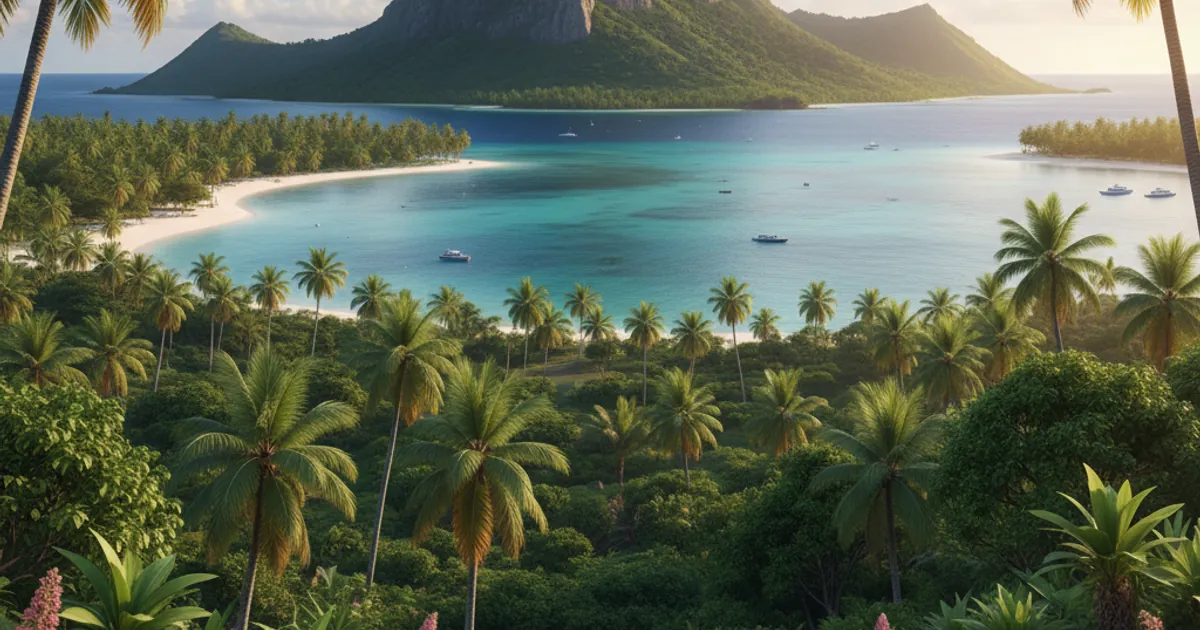
Mauritius is not a traditional safari destination, but its nature reserves, endemic wildlife, and marine parks offer unique encounters found nowhere else. This Indian Ocean island nation is one of Africa's safest countries, though travellers should prepare for tropical health risks, ocean hazards, and the particular challenges of exploring volcanic terrain and coral reef ecosystems.
Safety Overview
Mauritius is consistently ranked as one of the safest countries in Africa and one of the most stable democracies on the continent. Violent crime against tourists is very rare, and the island has a well-functioning police force, modern infrastructure, and a mature tourism industry that welcomes over 1.4 million visitors annually. The population is multicultural and hospitable, and English is widely spoken alongside French and Creole.
While Mauritius lacks the classic Big Five safari experience, it offers something different: encounters with endemic species found nowhere else on Earth, world-class marine life, and nature reserves protecting rare ecosystems. Safety concerns here revolve primarily around ocean hazards, tropical health considerations, and road conditions rather than wildlife danger or crime.
Health and Vaccinations
Required and Recommended Vaccines
No vaccinations are legally required for entry to Mauritius unless arriving from a yellow fever endemic country, in which case proof of vaccination is mandatory. Routine vaccines should be up to date, including hepatitis A and B, typhoid, and tetanus-diphtheria. Rabies vaccination is not typically recommended as Mauritius is rabies-free - one of the few tropical countries with this status.
Malaria and Mosquito-Borne Diseases
Mauritius was declared malaria-free by the World Health Organization in 1998. No malaria prophylaxis is needed. However, dengue fever occurs sporadically, transmitted by the Aedes mosquito which bites during the day. Chikungunya has also been reported. Use insect repellent containing DEET, particularly during the wet season (November to April), and remove any standing water near your accommodation.
Heat and Humidity
Tropical heat and humidity can cause dehydration and heat exhaustion, particularly during the summer months (December to March). Drink at least 2-3 litres of water daily, wear light clothing, and limit strenuous activity during peak midday hours. Sunburn is a serious risk - the UV index regularly exceeds 11 in summer. Apply SPF 50+ sunscreen and reapply after swimming.
Wildlife Safety
Nature Reserve Encounters
Mauritius's wildlife is primarily non-threatening to humans. The island has no large predators and no venomous land snakes. Nature reserves such as Black River Gorges National Park and Île aux Aigrettes protect endemic species including the Mauritius kestrel, pink pigeon, and echo parakeet - all successfully brought back from the brink of extinction through conservation programmes.
When hiking in nature reserves, stay on marked trails to avoid disturbing fragile ecosystems. The forests are home to introduced macaques (long-tailed macaques) that can be aggressive if they associate humans with food. Do not feed or approach them, secure your food and bags, and maintain distance.
Marine Wildlife
Mauritius's lagoons and outer reefs host diverse marine life. While snorkelling and diving, be aware of:
- Stonefish: The world's most venomous fish is present in Mauritian waters. Wear reef shoes when wading and avoid stepping on rocks or coral.
- Lionfish: Present on some reefs - admire from a distance; their spines deliver a painful sting.
- Sea urchins: Common on rocky surfaces. Reef shoes are essential for shore entries.
- Box jellyfish: Occasionally present, mainly during warmer months. Check with lifeguards or your hotel before swimming.
Swimming with Dolphins
Dolphin-watching and swimming excursions operate from Tamarin and Black River. Choose operators that follow responsible wildlife interaction guidelines - avoid those that chase pods aggressively with speedboats. Ethical operators approach slowly, cut engines at a distance, and allow dolphins to approach voluntarily.
Common Scams and How to Avoid Them
Mauritius has relatively few tourist scams compared to mainland Africa, but a few patterns exist:
- Beach vendors: Persistent sellers on popular beaches (Flic-en-Flac, Grand Baie, Trou aux Biches) can be pushy. A firm but polite "no thank you" is sufficient.
- Taxi overcharging: Taxis are not metered. Always agree on a fare before getting in, or use your hotel to arrange transfers at fixed rates. Compare prices with ride-hailing apps where available.
- Water sports overcharging: Some beach operators inflate prices for tourists. Check prices at multiple operators and book through your hotel or reputable agencies for parasailing, jet skiing, and glass-bottom boat rides.
- Gem and textile shops: Guided tours may include stops at gem or textile factories where prices are inflated and guides receive commission. There is no obligation to purchase.
Solo Travel Considerations
Mauritius is excellent for solo travellers. The island is compact (roughly 65 km by 45 km), public buses are affordable and cover most areas, and the tourism infrastructure is well-developed. Solo female travellers report feeling safe, though the usual precautions apply - avoid isolated beaches after dark and take registered taxis rather than accepting lifts from strangers.
Accommodation ranges from budget guesthouses to ultra-luxury resorts. Solo travellers often find guesthouses and boutique hotels more sociable than large resorts. The diving and water sports communities are inherently social and welcoming to individuals.
LGBTQ+ Safety
Mauritius decriminalised same-sex sexual activity in 2023. However, societal attitudes remain conservative, and public displays of affection between same-sex couples may attract stares or comments, particularly outside tourist areas. The tourism industry is generally professional and discreet. High-end resorts and hotels in Grand Baie, Flic-en-Flac, and the east coast are welcoming and accustomed to international guests of all backgrounds. There are no known reports of LGBTQ+ tourists being targeted or harassed.
Emergency Contacts
Police: 999 or 112
Ambulance (SAMU): 114
Fire: 115
Coast Guard: 212 2747
Tourist Police: 213 1740
Jeetoo Hospital (Port Louis): 212 3201
Mauritius has public hospitals in all districts and several private clinics offering a higher standard of care. City Clinic (Port Louis) and Clinique Darné (Floréal) are among the best private facilities. Serious medical cases may require evacuation to Réunion (French territory with European-standard healthcare, a 45-minute flight away) or South Africa. Travel insurance with medical evacuation cover is strongly recommended.
Valuables, Money, and Phones
The Mauritian rupee (MUR) is the local currency. ATMs are widely available across the island. Credit and debit cards are accepted at hotels, restaurants, and most shops. Some smaller vendors and market stalls accept cash only.
- Use hotel safes for passports, excess cash, and valuables - room theft is the most common property crime affecting tourists.
- Do not leave belongings unattended on beaches.
- A waterproof phone pouch is essential for boat trips and water activities.
- Local SIM cards (Emtel and MyT) are affordable and provide good 4G coverage island-wide.
Mauritius-Specific Risks
Cyclone Season
Mauritius lies in the tropical cyclone belt. The cyclone season runs from November to May, with the highest risk between January and March. Cyclones can bring destructive winds, heavy flooding, and coastal storm surges. Monitor weather warnings from the Mauritius Meteorological Services. Hotels have cyclone protocols - follow their instructions. Flights may be cancelled or delayed during cyclone warnings. Travel insurance covering weather disruption is important for visits during this period.
Ocean Currents and Coral Reef Gaps
The lagoons inside the barrier reef are generally calm, but reef passes (gaps in the coral reef) create strong outward currents that can sweep swimmers into open ocean. Never swim near reef passes, always heed local signage, and swim at lifeguarded beaches. If caught in a current, swim parallel to the shore rather than against the current.
Road Safety
Mauritius drives on the left (British-style). Roads are generally good but narrow, winding, and busy. Speed limits are frequently ignored by local drivers. Stray dogs on roads are common, particularly at night. If renting a car, drive cautiously and be prepared for sudden speed bumps (often unmarked) and roundabouts. Avoid driving after dark outside main towns.
Hiking Hazards
Trails in Black River Gorges and Le Morne can be steep, slippery, and poorly marked. Flash flooding in gorges is possible during rain. Carry sufficient water, wear proper hiking boots, and start hikes early in the morning to avoid afternoon heat and thunderstorms. Inform your hotel of your hiking plans.
For the best time to visit Mauritius, see our seasonal guide. For recommended equipment for tropical island travel, check our gear guide. Explore more island safety information in our Seychelles safety guide.
Key Takeaways
- 1Mauritius is malaria-free and rabies-free — one of the safest tropical destinations health-wise
- 2Ocean hazards (reef pass currents, stonefish, sea urchins) are the primary safety concern — always wear reef shoes
- 3Cyclone season runs November to May with peak risk January-March — check weather warnings and get travel insurance
- 4No large predators or venomous land snakes exist on the island, though introduced macaques can be aggressive
- 5Always agree taxi fares before boarding — there are no meters
- 6Decriminalisation of same-sex activity occurred in 2023 but society remains conservative
- 7Carry reef shoes, high-SPF sunscreen, and a waterproof phone pouch as essential safety items
Frequently Asked Questions
Is Mauritius safe for tourists?
Yes, Mauritius is one of the safest countries in Africa. Violent crime against tourists is very rare, and the island has a stable democracy, professional police force, and well-developed tourism infrastructure. The main safety concerns are ocean-related (currents, marine life) and weather-related (cyclones) rather than crime or security.
Do I need malaria tablets for Mauritius?
No, Mauritius has been malaria-free since 1998. No antimalarial prophylaxis is required. However, dengue fever is present on the island, transmitted by daytime-biting Aedes mosquitoes. Use insect repellent containing DEET and wear light long sleeves during the wet season (November-April) when mosquito activity peaks.
Is it safe to swim in the sea in Mauritius?
The lagoons inside the barrier reef are generally safe and calm, making them ideal for swimming and snorkelling. However, avoid swimming near reef passes where strong outward currents can sweep you into open water. Always swim at lifeguarded beaches, wear reef shoes to protect against stonefish and sea urchins, and check with locals about any jellyfish warnings before entering the water.
What should I do during a cyclone warning in Mauritius?
Follow instructions from your hotel staff and the Mauritius Meteorological Services. Stock up on bottled water and ensure your phone is charged. Stay indoors and away from windows during the storm. Do not attempt to drive or walk outside during a cyclone. Hotels have cyclone protocols and are well-prepared. If you are due to fly, contact your airline - flights are typically suspended during cyclone warnings.
Can I drink tap water in Mauritius?
Tap water in Mauritius is treated and generally considered safe to drink. However, water supply disruptions can affect quality, and some travellers prefer bottled water to avoid stomach upsets. Hotels and resorts typically provide bottled or filtered water. During and after cyclones, tap water may be temporarily unsafe - switch to bottled water until authorities confirm supply is restored.