10 Best Islands Off the African Coast You Need to Visit
Published 4 April 2026
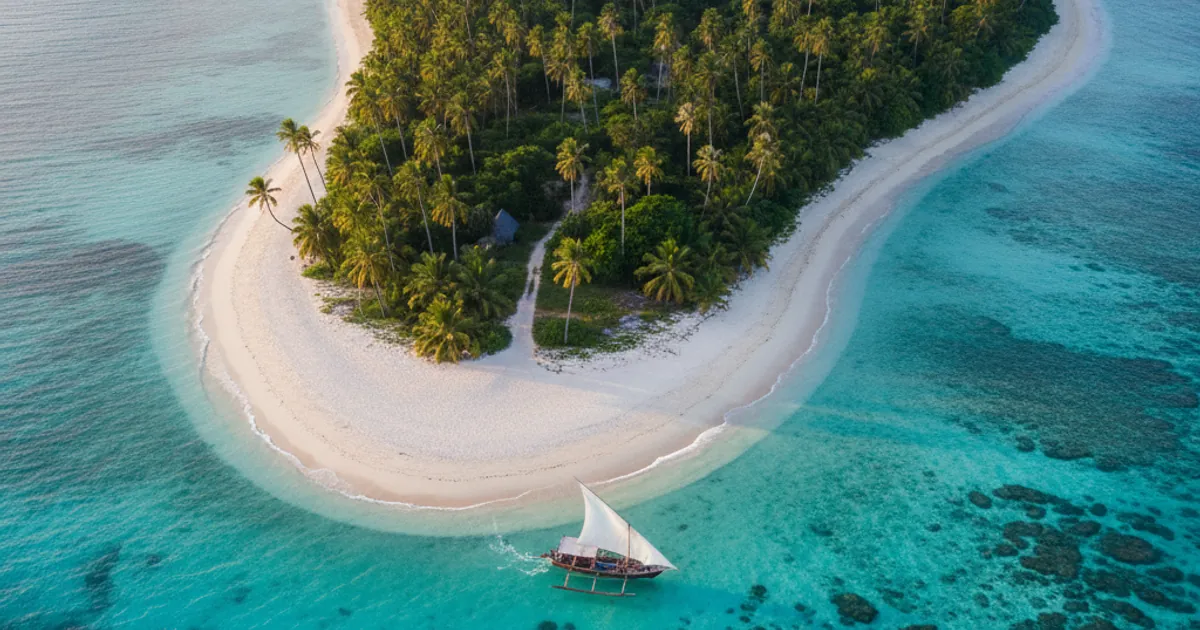
When people think of African travel, they picture savanna, bush, and big cats. But Africa's islands - scattered across the Indian Ocean, the Atlantic, and the Mozambique Channel - offer an entirely different kind of adventure: pristine coral reefs, endemic wildlife found nowhere else on Earth, Creole cultures, volcanic landscapes, and some of the finest beaches in the world.
These ten islands can be combined with a mainland safari for the ultimate African itinerary. After the Big 5, why not add a Marine Big 5? For mainland planning, see our best safari parks in Africa or browse the parks hub.
1. Zanzibar, Tanzania
The Spice Island
Zanzibar is the most famous island off the African coast, and for good reason. Stone Town - a UNESCO World Heritage Site - is a labyrinth of narrow alleys, carved wooden doors, and rooftop restaurants serving fresh seafood. Beyond the old town, the island's east coast offers powdery white sand beaches and turquoise waters that rival the Maldives.
Wildlife & nature: Jozani Forest is home to the endemic Zanzibar red colobus monkey. Snorkelling at Mnemba Atoll reveals turtles, dolphins, and vibrant coral. Best for: Culture, beaches, and honeymoons. Getting there: Direct flights from Dar es Salaam (20 min), Nairobi, and several European cities. Easily combined with a Serengeti safari.
2. Madagascar
The Eighth Continent
Madagascar is in a class of its own. The world's fourth-largest island split from Africa 160 million years ago, and the result is an extraordinary level of endemism: over 90% of its wildlife is found nowhere else. Lemurs - 112 species of them - are the stars, from the tiny mouse lemur to the dancing sifaka.
Wildlife & nature: Rainforests, baobab avenues, tsingy limestone pinnacles, humpback whales (July–September), chameleons, and fossas. Best for: Wildlife enthusiasts and adventurers. Getting there: Flights to Antananarivo from Johannesburg, Nairobi, Paris, and Istanbul.
3. Mauritius
Tropical Sophistication
Mauritius blends tropical beauty with refined hospitality. The island's lagoons are protected by one of the world's largest coral reefs, and the interior is lush volcanic terrain with waterfalls, tea plantations, and the famous Seven Coloured Earths of Chamarel.
Wildlife & nature: Black River Gorges National Park for the Mauritius kestrel and echo parakeet (both brought back from the brink of extinction). Swim with dolphins at Tamarin Bay. Best for: Luxury beach holidays, honeymooners, and families. Getting there: Direct flights from Johannesburg, Nairobi, London, Paris, and Dubai.
4. Seychelles
Granite Paradise
The Seychelles archipelago - 115 islands scattered across the western Indian Ocean - is defined by its unique granite boulders, powder-white beaches, and pristine marine reserves. Aldabra Atoll, a UNESCO site, hosts the world's largest population of giant tortoises (over 100,000) and is often called the Galapagos of the Indian Ocean.
Wildlife & nature: Giant tortoises, coco de mer palms (the world's largest seed), whale sharks at Mahé, hawksbill turtles nesting on Cousin Island. Best for: Honeymooners and divers. Getting there: Direct flights to Mahé from Nairobi, Johannesburg, Dubai, Abu Dhabi, and several European cities.
5. São Tomé, São Tomé and Príncipe
Africa's Hidden Gem
Sitting on the equator in the Gulf of Guinea, São Tomé is one of Africa's least-visited destinations - and one of its most rewarding. Former Portuguese colonial architecture mingles with dense tropical rainforest, volcanic peaks, and deserted beaches. The island's cocoa plantations produce some of the finest chocolate in the world.
Wildlife & nature: 28 endemic bird species, sea turtles nesting on Praia Rei (November–March), humpback whales offshore. Obo National Park covers 30% of the island. Best for: Off-the-beaten-path explorers and birdwatchers. Getting there: Flights from Lisbon, Accra, and Libreville.
6. Lamu, Kenya
Swahili Time Capsule
Lamu Old Town is the oldest continuously inhabited Swahili settlement in East Africa and a UNESCO World Heritage Site. There are no cars on the island - donkeys and dhows are the primary transport. The architecture, food, and pace of life feel unchanged from centuries past.
Wildlife & nature: Lamu Marine Conservation Trust protects turtles and dugongs. The Lamu Archipelago's mangrove forests are vital breeding grounds for fish and crustaceans. Best for: Cultural immersion and slow travel. Getting there: Flights from Nairobi and Mombasa (1 hour). Combine with a Masai Mara safari.
7. Bazaruto Archipelago, Mozambique
Africa's Underwater Eden
The Bazaruto Archipelago - five islands off the coast of southern Mozambique - is a marine national park protecting some of the last viable populations of dugong in the western Indian Ocean. The coral reefs are spectacular, and the fishing is legendary (marlin, sailfish, wahoo).
Wildlife & nature: Dugong, whale sharks, manta rays, humpback whales, five species of sea turtle, and pristine coral gardens. Best for: Divers, snorkellers, and anglers. Getting there: Charter flights from Vilankulo (mainland) or Johannesburg. Combine with Kruger for a bush-and-beach itinerary.
8. Nosy Be, Madagascar
Perfume Island
Nosy Be - Madagascar's largest island - sits off the northwest coast and is known as the "Perfume Island" for its ylang-ylang plantations. It's the most accessible beach destination in Madagascar and serves as a gateway to a cluster of smaller islands with world-class snorkelling.
Wildlife & nature: Lokobe National Park harbours black lemurs and Panther chameleons. Nosy Tanikely marine reserve offers snorkelling with sea turtles. Whale sharks visit from October to December. Best for: Beach-and-wildlife combinations. Getting there: Flights from Antananarivo (1 hour) and direct from Nairobi, Johannesburg, and Réunion.
9. Príncipe, São Tomé and Príncipe
UNESCO Biosphere Reserve
If São Tomé is Africa's hidden gem, Príncipe is its secret vault. The entire island - home to barely 8,000 people - is a UNESCO Biosphere Reserve. The jungle-covered interior is virtually untouched, and the surrounding waters teem with life. Tourism infrastructure is minimal but improving, with a handful of eco-lodges leading the way.
Wildlife & nature: 31 endemic plant species, rare African grey parrots, nesting sea turtles, spectacular volcanic rock formations. Best for: Eco-travellers and true adventurers. Getting there: Short flights from São Tomé city.
10. Réunion, France (Indian Ocean)
Volcanic Wonderland
Technically a French overseas department, Réunion is geographically African and sits just 200 km from Mauritius. The island is dominated by the active Piton de la Fournaise volcano and the dramatic cirques (collapsed volcanic craters) of Mafate, Cilaos, and Salazie - all UNESCO World Heritage Sites. This is the adventure sports capital of the Indian Ocean.
Wildlife & nature: Humpback whales (June–October), Barau's petrel (endemic), spectacular highland flora. Best for: Hikers, trail runners, and adventure travellers. Getting there: Flights from Mauritius (45 min), Paris, and Johannesburg.
Combining Islands with Safari
The classic combination is "bush and beach" - a safari followed by island relaxation. Popular pairings include:
- Serengeti + Zanzibar - the most popular East African combo
- Masai Mara + Lamu - big cats then Swahili culture
- Kruger + Bazaruto - Big 5 then marine paradise
- Okavango Delta + Mauritius - Delta waterways then Indian Ocean luxury
- Volcanoes NP (gorillas) + Madagascar - the ultimate primate trip
Read our safest countries for safari guide before planning, and browse our equipment guide for packing tips that work for both bush and beach. For more African highlights, explore the 15 best safari parks or the best private reserves in South Africa.