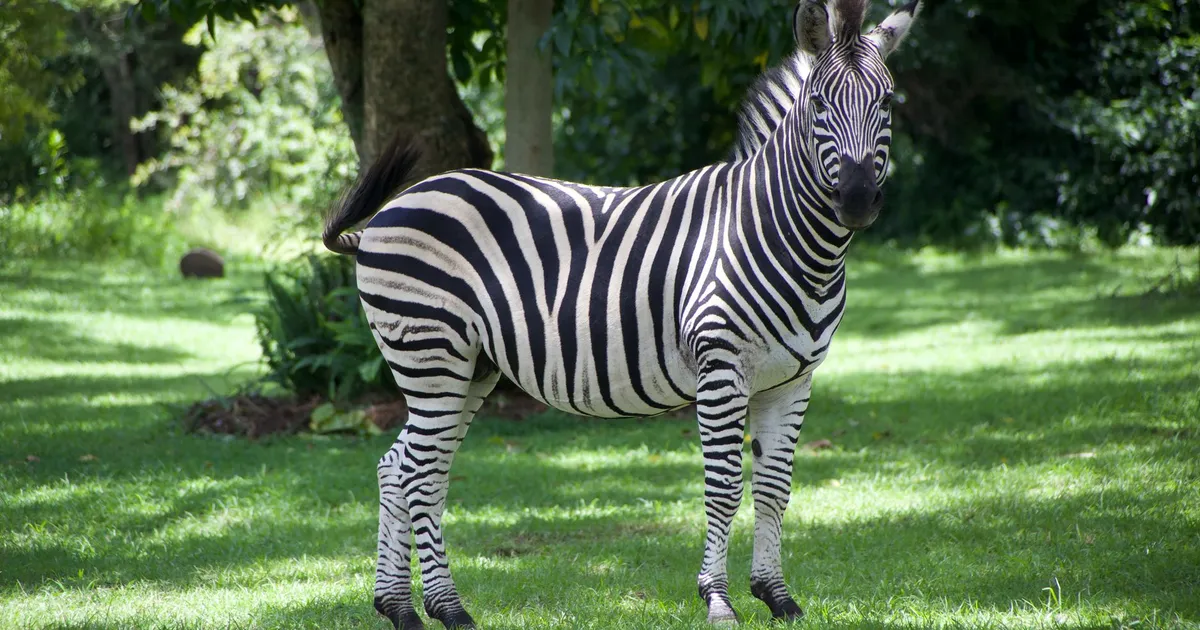
Hot and humid with heavy afternoon thunderstorms, transforming the landscape into a vibrant green. Temperatures average 20-30°C.
Wildlife is dispersed due to abundant water, but this is prime time for birdwatching as migratory species arrive. Calving season is in full swing, bringing adorable young animals.
We love the dramatic skies and lush scenery, making this a fantastic month for photographers and keen birders seeking a different perspective.
Mana Pools National Park
Matusadona National Park
Victoria Falls
Still very wet and humid, with consistent rainfall, though often in short, intense bursts. Expect daytime temperatures around 28-32°C.
The bush is thick, making game viewing more challenging, but the abundance of new life is heartwarming. Predator activity can be high around vulnerable young animals.
We recommend embracing the quiet beauty of the green season, where the landscape truly comes alive and you often have the parks to yourselves.
Mana Pools National Park
Matusadona National Park
Victoria Falls
Rainfall starts to decrease, but the country remains beautifully green and lush. Temperatures are still warm, typically 25-30°C.
Migratory birds are still present, and the last of the season's young animals are visible. Game viewing improves slightly as water sources begin to recede.
We find this month offers a wonderful balance of vibrant landscapes and improving game viewing, perfect for those seeking value and fewer crowds.
Mana Pools National Park
Victoria Falls
Matobo Hills National Park
April
moderateShoulder Season
The rains have largely ended, and the air feels fresher and less humid. Days are warm and sunny, with temperatures around 20-28°C, and nights are pleasant.
The bush is still green but starting to thin, making game viewing easier. This is a great transition month before the peak dry season crowds arrive.
We love April for its comfortable weather and excellent value, offering a fantastic opportunity to experience Zimbabwe before the high season rush.
Hwange National Park
Victoria Falls
Matobo Hills National Park
Cooler, dry weather sets in with clear, sunny days and chilly nights. Daytime temperatures are comfortable, ranging from 18-25°C.
Vegetation thins out, and wildlife begins to congregate around permanent water sources, making game viewing increasingly rewarding. The air is crisp and clear.
We recommend May for those who prefer cooler temperatures and the start of classic dry season game viewing without the peak season crowds.
Hwange National Park
Mana Pools National Park
Matobo Hills National Park
Winter is in full swing, bringing cool mornings and evenings, warm sunny days, and virtually no rain. Expect temperatures from 15-25°C.
Game viewing is excellent as animals are increasingly reliant on waterholes. We often see large herds of elephants in Hwange and fantastic predator action.
We find June to be an ideal month for a traditional safari, offering superb game viewing conditions and comfortable daytime temperatures.
Hwange National Park
Mana Pools National Park
Gonarezhou National Park
The heart of the dry season, with consistently clear skies, warm days, and cold nights. Daytime temperatures are typically 20-28°C.
Wildlife concentrations around water sources are at their peak, providing exceptional game viewing opportunities. This is a fantastic time for predator sightings.
We consider July a prime month for an unforgettable safari, especially for those seeking intense wildlife encounters and the thrill of the chase.
Hwange National Park
Mana Pools National Park
Matusadona National Park
Warm and dry, with temperatures steadily rising, averaging 25-30°C. Nights remain cool but are getting warmer.
Game viewing remains outstanding, with animals highly concentrated at waterholes and rivers. The lack of vegetation makes spotting wildlife easier.
We love August for its consistent, high-quality game viewing and the vibrant atmosphere, though booking well in advance is essential.
Hwange National Park
Mana Pools National Park
Victoria Falls
Hot and very dry, with temperatures often exceeding 30°C. The landscape is parched, and dust is common.
This is a truly intense wildlife month, with animals desperate for water, leading to dramatic interactions at waterholes. Predator activity is at its peak.
We recommend September for seasoned safari-goers who thrive on the raw, unfiltered drama of the bush and don't mind the heat.
Hwange National Park
Mana Pools National Park
Gonarezhou National Park
Often the hottest month, with scorching temperatures frequently above 35°C, before the first rains bring relief. It is extremely dry and dusty.
Game viewing is phenomenal, albeit challenging due to the heat, as animals are forced to congregate at the last remaining water sources. This is a truly unique experience.
We find October to be incredibly rewarding for those seeking the most intense and concentrated wildlife viewing, especially around Hwange's waterholes.
Hwange National Park
Mana Pools National Park
Victoria Falls
November
moderateShoulder Season / Short Rains
A transition month, often starting hot and humid, with the first 'short rains' bringing relief and cooling temperatures. Expect variable weather, 25-35°C.
The first rains trigger new growth, and migratory birds begin to return. Game viewing can be unpredictable but offers a sense of renewal and fresh perspectives.
We love November for its dynamic weather and the exciting anticipation of the green season, offering a chance to witness the bush's transformation.
Victoria Falls
Hwange National Park
Matobo Hills National Park
December
moderateGreen Season
The rains begin in earnest, bringing lush greenery and cooler, more comfortable temperatures after the initial heat. Expect afternoon showers, 20-30°C.
The landscape is vibrant, and calving season begins, filling the plains with adorable newborns. Birding is exceptional with many migratory species present.
We recommend December for a festive safari experience, enjoying the lush scenery, abundant birdlife, and the magic of new life in the bush.
Victoria Falls
Matobo Hills National Park
Mana Pools National Park
Hot and humid with heavy afternoon thunderstorms, transforming the landscape into a vibrant green. Temperatures average 20-30°C.
Wildlife is dispersed due to abundant water, but this is prime time for birdwatching as migratory species arrive. Calving season is in full swing, bringing adorable young animals.
We love the dramatic skies and lush scenery, making this a fantastic month for photographers and keen birders seeking a different perspective.
Mana Pools National Park
Matusadona National Park
Victoria Falls
Still very wet and humid, with consistent rainfall, though often in short, intense bursts. Expect daytime temperatures around 28-32°C.
The bush is thick, making game viewing more challenging, but the abundance of new life is heartwarming. Predator activity can be high around vulnerable young animals.
We recommend embracing the quiet beauty of the green season, where the landscape truly comes alive and you often have the parks to yourselves.
Mana Pools National Park
Matusadona National Park
Victoria Falls
Rainfall starts to decrease, but the country remains beautifully green and lush. Temperatures are still warm, typically 25-30°C.
Migratory birds are still present, and the last of the season's young animals are visible. Game viewing improves slightly as water sources begin to recede.
We find this month offers a wonderful balance of vibrant landscapes and improving game viewing, perfect for those seeking value and fewer crowds.
Mana Pools National Park
Victoria Falls
Matobo Hills National Park
April
moderateShoulder Season
The rains have largely ended, and the air feels fresher and less humid. Days are warm and sunny, with temperatures around 20-28°C, and nights are pleasant.
The bush is still green but starting to thin, making game viewing easier. This is a great transition month before the peak dry season crowds arrive.
We love April for its comfortable weather and excellent value, offering a fantastic opportunity to experience Zimbabwe before the high season rush.
Hwange National Park
Victoria Falls
Matobo Hills National Park
Cooler, dry weather sets in with clear, sunny days and chilly nights. Daytime temperatures are comfortable, ranging from 18-25°C.
Vegetation thins out, and wildlife begins to congregate around permanent water sources, making game viewing increasingly rewarding. The air is crisp and clear.
We recommend May for those who prefer cooler temperatures and the start of classic dry season game viewing without the peak season crowds.
Hwange National Park
Mana Pools National Park
Matobo Hills National Park
Winter is in full swing, bringing cool mornings and evenings, warm sunny days, and virtually no rain. Expect temperatures from 15-25°C.
Game viewing is excellent as animals are increasingly reliant on waterholes. We often see large herds of elephants in Hwange and fantastic predator action.
We find June to be an ideal month for a traditional safari, offering superb game viewing conditions and comfortable daytime temperatures.
Hwange National Park
Mana Pools National Park
Gonarezhou National Park
The heart of the dry season, with consistently clear skies, warm days, and cold nights. Daytime temperatures are typically 20-28°C.
Wildlife concentrations around water sources are at their peak, providing exceptional game viewing opportunities. This is a fantastic time for predator sightings.
We consider July a prime month for an unforgettable safari, especially for those seeking intense wildlife encounters and the thrill of the chase.
Hwange National Park
Mana Pools National Park
Matusadona National Park
Warm and dry, with temperatures steadily rising, averaging 25-30°C. Nights remain cool but are getting warmer.
Game viewing remains outstanding, with animals highly concentrated at waterholes and rivers. The lack of vegetation makes spotting wildlife easier.
We love August for its consistent, high-quality game viewing and the vibrant atmosphere, though booking well in advance is essential.
Hwange National Park
Mana Pools National Park
Victoria Falls
Hot and very dry, with temperatures often exceeding 30°C. The landscape is parched, and dust is common.
This is a truly intense wildlife month, with animals desperate for water, leading to dramatic interactions at waterholes. Predator activity is at its peak.
We recommend September for seasoned safari-goers who thrive on the raw, unfiltered drama of the bush and don't mind the heat.
Hwange National Park
Mana Pools National Park
Gonarezhou National Park
Often the hottest month, with scorching temperatures frequently above 35°C, before the first rains bring relief. It is extremely dry and dusty.
Game viewing is phenomenal, albeit challenging due to the heat, as animals are forced to congregate at the last remaining water sources. This is a truly unique experience.
We find October to be incredibly rewarding for those seeking the most intense and concentrated wildlife viewing, especially around Hwange's waterholes.
Hwange National Park
Mana Pools National Park
Victoria Falls
November
moderateShoulder Season / Short Rains
A transition month, often starting hot and humid, with the first 'short rains' bringing relief and cooling temperatures. Expect variable weather, 25-35°C.
The first rains trigger new growth, and migratory birds begin to return. Game viewing can be unpredictable but offers a sense of renewal and fresh perspectives.
We love November for its dynamic weather and the exciting anticipation of the green season, offering a chance to witness the bush's transformation.
Victoria Falls
Hwange National Park
Matobo Hills National Park
December
moderateGreen Season
The rains begin in earnest, bringing lush greenery and cooler, more comfortable temperatures after the initial heat. Expect afternoon showers, 20-30°C.
The landscape is vibrant, and calving season begins, filling the plains with adorable newborns. Birding is exceptional with many migratory species present.
We recommend December for a festive safari experience, enjoying the lush scenery, abundant birdlife, and the magic of new life in the bush.
Victoria Falls
Matobo Hills National Park
Mana Pools National Park
Hot and humid with heavy afternoon thunderstorms, transforming the landscape into a vibrant green. Temperatures average 20-30°C.
Wildlife is dispersed due to abundant water, but this is prime time for birdwatching as migratory species arrive. Calving season is in full swing, bringing adorable young animals.
We love the dramatic skies and lush scenery, making this a fantastic month for photographers and keen birders seeking a different perspective.
Mana Pools National Park
Matusadona National Park
Victoria Falls
Still very wet and humid, with consistent rainfall, though often in short, intense bursts. Expect daytime temperatures around 28-32°C.
The bush is thick, making game viewing more challenging, but the abundance of new life is heartwarming. Predator activity can be high around vulnerable young animals.
We recommend embracing the quiet beauty of the green season, where the landscape truly comes alive and you often have the parks to yourselves.
Mana Pools National Park
Matusadona National Park
Victoria Falls
Rainfall starts to decrease, but the country remains beautifully green and lush. Temperatures are still warm, typically 25-30°C.
Migratory birds are still present, and the last of the season's young animals are visible. Game viewing improves slightly as water sources begin to recede.
We find this month offers a wonderful balance of vibrant landscapes and improving game viewing, perfect for those seeking value and fewer crowds.
Mana Pools National Park
Victoria Falls
Matobo Hills National Park
April
moderateShoulder Season
The rains have largely ended, and the air feels fresher and less humid. Days are warm and sunny, with temperatures around 20-28°C, and nights are pleasant.
The bush is still green but starting to thin, making game viewing easier. This is a great transition month before the peak dry season crowds arrive.
We love April for its comfortable weather and excellent value, offering a fantastic opportunity to experience Zimbabwe before the high season rush.
Hwange National Park
Victoria Falls
Matobo Hills National Park
Cooler, dry weather sets in with clear, sunny days and chilly nights. Daytime temperatures are comfortable, ranging from 18-25°C.
Vegetation thins out, and wildlife begins to congregate around permanent water sources, making game viewing increasingly rewarding. The air is crisp and clear.
We recommend May for those who prefer cooler temperatures and the start of classic dry season game viewing without the peak season crowds.
Hwange National Park
Mana Pools National Park
Matobo Hills National Park
Winter is in full swing, bringing cool mornings and evenings, warm sunny days, and virtually no rain. Expect temperatures from 15-25°C.
Game viewing is excellent as animals are increasingly reliant on waterholes. We often see large herds of elephants in Hwange and fantastic predator action.
We find June to be an ideal month for a traditional safari, offering superb game viewing conditions and comfortable daytime temperatures.
Hwange National Park
Mana Pools National Park
Gonarezhou National Park
The heart of the dry season, with consistently clear skies, warm days, and cold nights. Daytime temperatures are typically 20-28°C.
Wildlife concentrations around water sources are at their peak, providing exceptional game viewing opportunities. This is a fantastic time for predator sightings.
We consider July a prime month for an unforgettable safari, especially for those seeking intense wildlife encounters and the thrill of the chase.
Hwange National Park
Mana Pools National Park
Matusadona National Park
Warm and dry, with temperatures steadily rising, averaging 25-30°C. Nights remain cool but are getting warmer.
Game viewing remains outstanding, with animals highly concentrated at waterholes and rivers. The lack of vegetation makes spotting wildlife easier.
We love August for its consistent, high-quality game viewing and the vibrant atmosphere, though booking well in advance is essential.
Hwange National Park
Mana Pools National Park
Victoria Falls
Hot and very dry, with temperatures often exceeding 30°C. The landscape is parched, and dust is common.
This is a truly intense wildlife month, with animals desperate for water, leading to dramatic interactions at waterholes. Predator activity is at its peak.
We recommend September for seasoned safari-goers who thrive on the raw, unfiltered drama of the bush and don't mind the heat.
Hwange National Park
Mana Pools National Park
Gonarezhou National Park
Often the hottest month, with scorching temperatures frequently above 35°C, before the first rains bring relief. It is extremely dry and dusty.
Game viewing is phenomenal, albeit challenging due to the heat, as animals are forced to congregate at the last remaining water sources. This is a truly unique experience.
We find October to be incredibly rewarding for those seeking the most intense and concentrated wildlife viewing, especially around Hwange's waterholes.
Hwange National Park
Mana Pools National Park
Victoria Falls
November
moderateShoulder Season / Short Rains
A transition month, often starting hot and humid, with the first 'short rains' bringing relief and cooling temperatures. Expect variable weather, 25-35°C.
The first rains trigger new growth, and migratory birds begin to return. Game viewing can be unpredictable but offers a sense of renewal and fresh perspectives.
We love November for its dynamic weather and the exciting anticipation of the green season, offering a chance to witness the bush's transformation.
Victoria Falls
Hwange National Park
Matobo Hills National Park
December
moderateGreen Season
The rains begin in earnest, bringing lush greenery and cooler, more comfortable temperatures after the initial heat. Expect afternoon showers, 20-30°C.
The landscape is vibrant, and calving season begins, filling the plains with adorable newborns. Birding is exceptional with many migratory species present.
We recommend December for a festive safari experience, enjoying the lush scenery, abundant birdlife, and the magic of new life in the bush.
Victoria Falls
Matobo Hills National Park
Mana Pools National Park